The Legal Gray Zone: How Yawata’s Mayor is Testing Japan’s Political Infrastructure
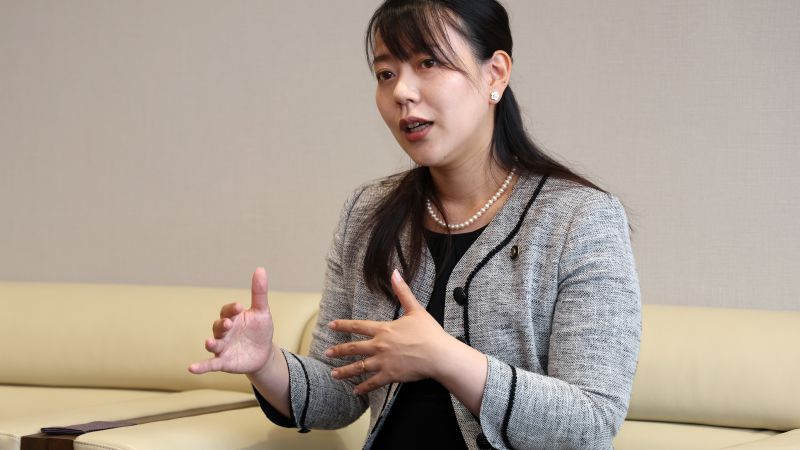
Table of Contents
A Precedent in a Legal Vacuum
Shoko Kawata, the 35-year-old mayor of Yawata in Kyoto Prefecture, is stepping into a role that is as much about systemic disruption as it is about civic leadership. By announcing her intention to take 16 weeks of maternity leave—split evenly before and after the birth of her first child in mid-September—Kawata is navigating a professional void. While Japan’s labor laws provide robust maternity protections for civil servants and private-sector employees, the legal framework for elected officials is virtually nonexistent.
Kawata, who took office in 2023, is believed to be the first incumbent mayor in Japanese history to formally step away for childbirth. The move exposes a critical oversight in the design of the country’s political infrastructure: the assumption that the highest office in a municipality is a 24/7 commitment that precludes the basic biological and social needs of motherhood.
The Friction of ‘Old-Fashioned’ Governance
The reaction to Kawata’s decision has mirrored the broader cultural divide currently splitting Japan. On social media, a vocal minority has characterized the leave as a misuse of taxpayer funds, suggesting that the vacancy in leadership is a liability. However, this criticism clashes with the ground-level reality in Yawata, where the mayor reports that city staff and residents have been overwhelmingly supportive.
According to Sawako Shirahase, a sociology professor at the University of Tokyo, this tension stems from a governance model based on “very old-fashioned assumptions.” The current system does not explicitly prohibit a mayor from taking leave, but it doesn’t provide a mechanism for it either. This “gray zone” forces Kawata to improvise a solution, which includes appointing a deputy to manage the city of 70,000 people while she maintains a digital tether to her office via email.
The Demographic Crisis and the ‘Karoshi’ Wall
Kawata’s struggle is a microcosm of Japan’s wider existential crisis. The country is currently locked in a losing battle against a plummeting birth rate, with 2025 recording a record low of 671,236 births. Despite aggressive government subsidies for housing and childbirth, the underlying issue remains the cultural phenomenon of karoshi—death by overwork.
The rigidity of the workplace, particularly for women, creates a binary choice: pursue a career or start a family. World Bank data highlights this disparity, showing that only about 56% of women participate in the labor force compared to 72% of men. By normalizing maternity leave at the mayoral level, Kawata is attempting to signal to business owners and managers that child-rearing and professional ambition are not mutually exclusive.
Breaking the Political Glass Ceiling
While the systemic hurdles remain high, there is a measurable shift in local governance. Data from researcher Stefanie Schwarte of the Japan Center of Ludwig-Maximilians-Universität shows that the number of female mayors has risen from approximately 50 to nearly 80 across Japan’s 1,700+ municipalities over the last five years. More importantly, these women are staying for second and third terms, suggesting that the initial barrier to entry is being replaced by a struggle for sustainable longevity in office.
For Kawata, the goal is not merely personal. She views her absence as a catalyst for a broader systemic update. If the legal framework for the head of a city can be adapted to accommodate a newborn, it sets a precedent for thousands of other women in the public and private sectors who have previously viewed motherhood as the end of their professional trajectory.