The Iceman’s Living Legacy: Ancient Yeasts Still Growing on 5,300-Year-Old Mummy
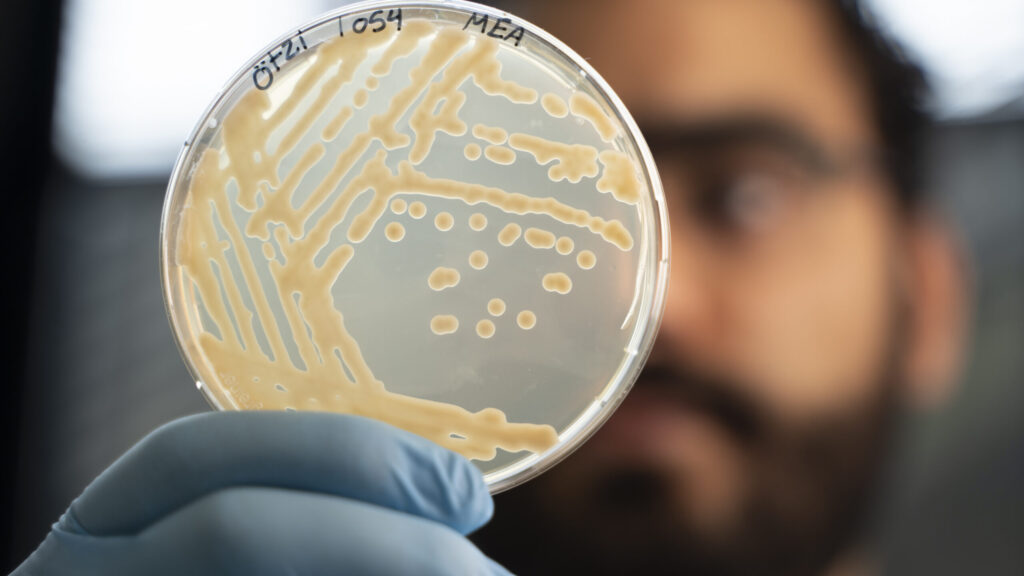
Table of Contents
Life in the Deep Freeze
For 5,300 years, Ötzi the Iceman existed as a frozen time capsule in the Ötztal Alps, preserved by the brutal conditions of the Copper Age highlands until his discovery by hikers in 1991. While the world has spent decades analyzing his DNA, his last meal, and his primitive tool kit, a new study reveals that Ötzi is more than just a relic of the past—he is currently hosting a living, breathing microbial ecosystem.
Research led by microbiologist Mohamed S. Sarhan at the Institute of Mummy Studies (Eurac Research) has identified several strains of cold-adapted yeast that have not only survived the millennia but appear to be actively reproducing. These microorganisms have effectively turned one of history’s most famous mummies into a slow-motion laboratory for survival.
Sifting Through the Biological Noise
The challenge for Sarhan and his team was distinguishing between truly ancient residents and modern contaminants. In the high-stakes environment of paleomicrobiology, the risk of “pollution” from the modern lab or the air is immense. To solve this, the team employed shotgun metagenomics—a process that sequences all available DNA fragments in a sample—and compared them against cultures grown from the mummy’s stomach, skin, and internal meltwater.
The results showed a stark contrast between the mummy’s internal gut bacteria, which exist only as fragmented, dead DNA, and a group of yeasts that are very much alive. Specifically, the researchers identified four strains: Phenolifera, Glaciozyma, Goffeauzyma, and Mrakia. These species are typically found in some of the harshest environments on Earth, including Arctic glaciers and the frozen wastes of Antarctica.
The Evolutionary Edge of Preservation
The current state of Ötzi’s preservation at the South Tyrol Museum of Archaeology in Italy mimics the glacial conditions of his original resting place: a steady -6ºC with 99 percent humidity. While this environment halts the rapid decomposition typically driven by common bacteria, it creates a niche paradise for psychrophilic (cold-loving) fungi.
Interestingly, the researchers found that human intervention may have inadvertently helped these microbes. When Ötzi was first recovered, conservators treated the body with phenol, an antifungal compound meant to prevent decay. However, three of the four identified yeast species possess the ability to break down phenol. By eliminating their competition, the museum’s own preservation efforts may have given these specific ancient yeasts a competitive evolutionary advantage.
Dormancy or Continuous Growth?
The most provocative finding comes from a longitudinal comparison. When Sarhan’s team compared samples taken in 2010 with those from 2019, they noticed that the DNA fragments were longer and showed less degradation. In the world of genetic sequencing, shorter, more damaged fragments are the hallmark of ancient DNA. The presence of longer, “healthier” fragments suggests that these yeasts have been duplicating themselves recently.
This raises a fundamental biological question: have these yeasts been slowly multiplying at a glacial pace for 5,000 years, or did they enter a state of deep dormancy, only to be revived during brief thawing cycles or the process of excavation? The team also identified Pseudomonas, a soil bacterium likely introduced post-mortem, suggesting that the mummy’s “natural openings” allowed the alpine environment to infiltrate the body shortly after death, creating a complex hybrid of internal and external microbial life.
The Ethics of Ancient Cultures
While the researchers reportedly experimented with using the identified yeast species to create sourdough, the team clarified that they did not use actual samples taken from the mummy. Instead, they used the genetic identification to source the same species from cleaner environments, avoiding the ethical and sanitary complications of baking with a 5,000-year-old human host.
The study underscores the complexity of the “ancient’ label. As technology allows us to detect more subtle biological activities, the line between a dead specimen and a living ecosystem continues to blur, proving that even in the deepest freeze, life finds a way to persist.