Samsung Floods Indian Market With 72 New TV Models, Debuting Micro RGB Technology
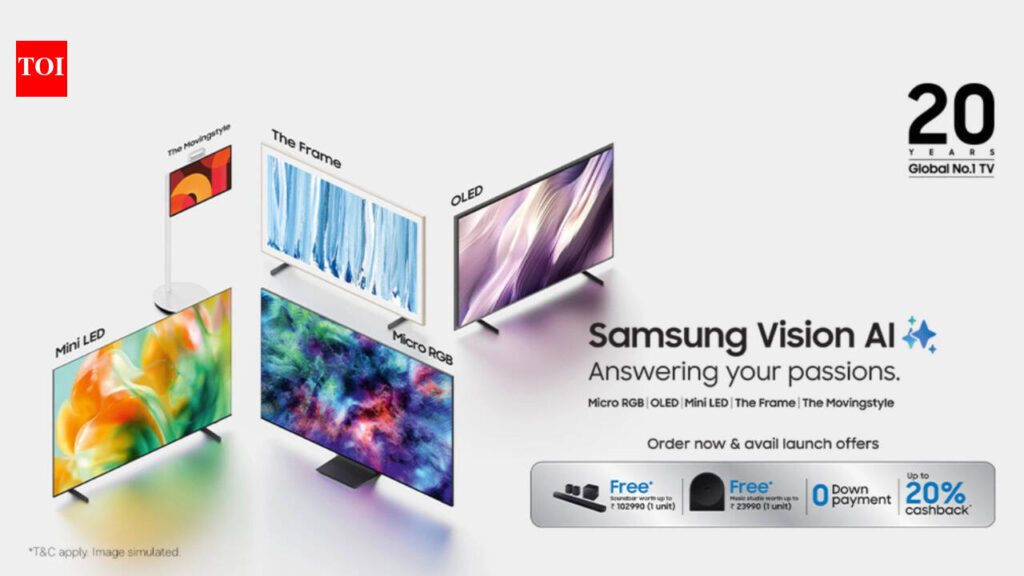
Table of Contents
A Massive Scale-Up for the Subcontinent
Samsung has officially unveiled its 2026 television portfolio for the Indian market, a move characterized by sheer volume and a strategic push into high-end display tech. With 72 distinct models hitting the shelves, the company isn’t just refreshing its catalog; it is attempting to blanket every possible price point and screen size preference from budget-conscious living rooms to luxury home cinemas.
The centerpiece of this rollout is the introduction of Micro RGB technology. While MicroLED has long been the industry’s “holy grail”—promising the perfect blacks of OLED with the brightness and longevity of LED—it has remained prohibitively expensive and difficult to manufacture at consumer scales. Samsung’s Micro RGB approach aims to bridge this gap, bringing a more scalable version of self-emissive pixels to the Indian luxury segment.
The Tech Breakdown: Micro RGB vs. The Rest
For the average consumer, the distinction between these 72 models can feel like alphabet soup. However, the 2026 lineup clarifies the hierarchy. The Micro RGB sets sit at the apex, utilizing inorganic materials that eliminate the risk of burn-in while maintaining extreme peak brightness—critical for the bright, sun-drenched environments common in Indian urban homes.
Below the Micro RGB tier, Samsung continues to lean on its Neo QLED and Mini LED offerings. These models use Quantum Mini LEDs to provide tighter backlight control, reducing the “blooming” effect often seen in traditional LED TVs when white text appears on a black background. The 2026 Neo QLED sets feature an updated processing chip designed to handle 8K upscaling more naturally, attempting to make lower-resolution content look native to the larger panels.
Meanwhile, the QD-OLED (Quantum Dot OLED) range remains the choice for cinema purists. By combining the precision of OLED with the color volume of Quantum Dots, Samsung is positioning these sets as the primary competitor to LG’s dominant OLED presence in India.
Strategic Pivot to Large Screens
Industry analysts note that the 2026 lineup reflects a broader trend in Indian consumer behavior: the “inch-creep.” There is a visible shift toward screens 65 inches and larger, even in mid-range segments. Samsung is capitalizing on this by offering more aggressive pricing on its 75-inch and 85-inch Neo QLED models than in previous years.
The software experience is also seeing a refresh. The 2026 models integrate deeper AI-driven energy saving modes and a more streamlined interface for Tizen OS, which now better integrates with Samsung’s SmartThings ecosystem. This allows the TV to act as a central hub for home automation, a feature the company is pushing heavily as smart home adoption grows in cities like Bangalore, Mumbai, and Delhi.
Market Implications
By flooding the market with 72 models, Samsung is effectively creating a defensive perimeter against challengers like Xiaomi and TCL, who have gained ground in the budget-to-mid-range Mini LED space. By offering an OLED or Micro RGB alternative at almost every conceivable price bracket, Samsung is trying to ensure that no matter the budget, the consumer stays within the Samsung ecosystem.
Availability for the flagship Micro RGB and high-end Neo QLED models begins immediately across major retail chains and online platforms, while the entry-level 4K LED models will roll out in phases through the second quarter of the year.