The Hidden Hygiene Crisis in Your Kitchen: Why Your Keurig is a Breeding Ground for Mold
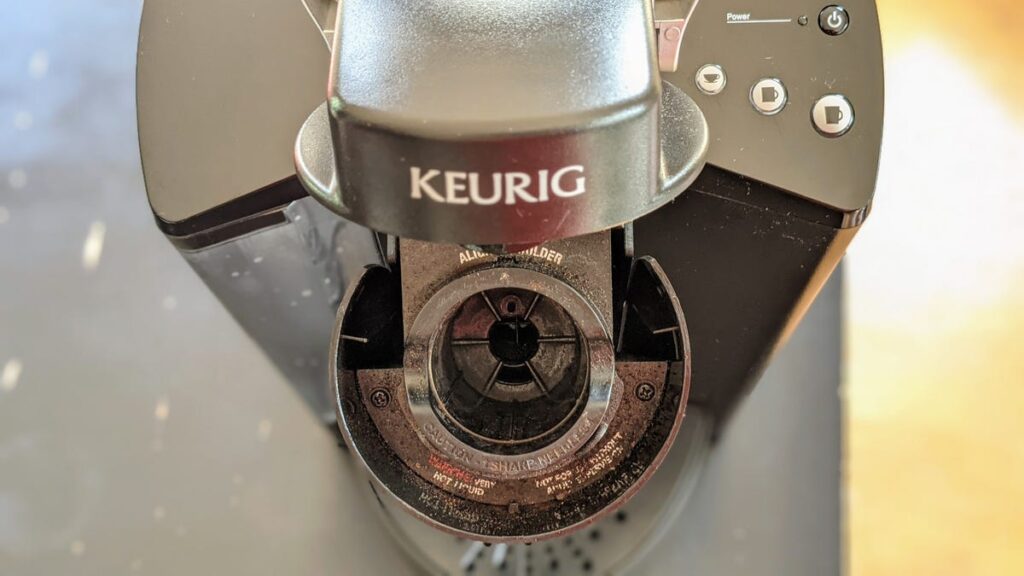
Table of Contents
The Convenience Trade-off
The Keurig ecosystem is built on a singular promise: frictionless caffeine. By condensing the brewing process into a pressurized internal system and a disposable pod, it has become a staple of the modern office and home kitchen. However, that same engineering—designed for speed and containment—creates a micro-environment that is nearly ideal for biological growth. The combination of residual heat, stagnant water, and organic coffee oils transforms the interior of these machines into a petri dish for mold and bacteria.
For many users, the first sign of a problem isn’t a visual cue, but a change in flavor. When a brew begins to taste metallic or oddly bitter, it is often not the beans at fault, but the accumulation of biofilm and mineral scale within the internal tubing and the needle assembly. Online communities, particularly on Reddit, have frequently highlighted the visceral reality of this neglect, sharing images of internal reservoirs coated in thick, green-black mold after months of superficial cleaning.
Addressing the Biofilm Hotspots
To maintain a sanitary machine, users must look beyond the exterior plastic shell. The most critical point of failure is the K-Cup holder and the puncture needle. This area is subjected to constant moisture and organic residue from punctured pods. If a used pod is left in the machine for several days, it provides a nutrient-rich substrate for mold to grow, which can then migrate into the brewing chamber and directly into the next cup of coffee.
Proper sanitation requires a mechanical deep-clean. This involves removing the pod holder—where possible, depending on the model—and scrubbing the area with hot, soapy water. Because these components are often overlooked, they become the primary source of contamination. It is also essential to purge the drip tray regularly; while it seems like a simple waste bin, the standing water and coffee sediment are prime breeding grounds for odors and bacterial colonies.
The Technical Necessity of Descaling
While mold is a biological concern, mineral scale is a mechanical one. Depending on the hardness of your local water supply, calcium and magnesium deposits build up inside the heating element and tubing. This “scaling” doesn’t just affect taste; it puts undue stress on the pump, leading to slower brew times and eventual hardware failure.
Descaling is the process of chemically breaking down these mineral deposits. While Keurig sells proprietary descaling solutions, a mixture of white vinegar and water is a common and effective alternative. The process involves running the solution through the machine without a pod, allowing the acidity to dissolve the scale. However, this requires a specific sequence of button presses—which varies by model—to ensure the solution reaches all internal conduits.
The Professional Maintenance Cycle
To avoid a total system failure or a health hazard, a tiered maintenance approach is recommended:
- Weekly: Empty and scrub the drip tray and wipe down the external chassis to prevent residue buildup.
- Bi-Weekly: Deep-clean the K-Cup holder and water reservoir. Ensure the water filter is removed before washing to avoid damaging the filtration media.
- Quarterly: Perform a full descaling cycle to clear internal mineral obstructions and restore optimal water flow.
Ultimately, the longevity of a Keurig depends on the user’s willingness to step away from the “one-touch” convenience and engage in basic appliance maintenance. Without it, the machine isn’t just brewing coffee—it’s circulating a cocktail of minerals and microorganisms.