Camp Snap 2 Attempts to Scale Low-Fi Nostalgia With Hardware Refresh
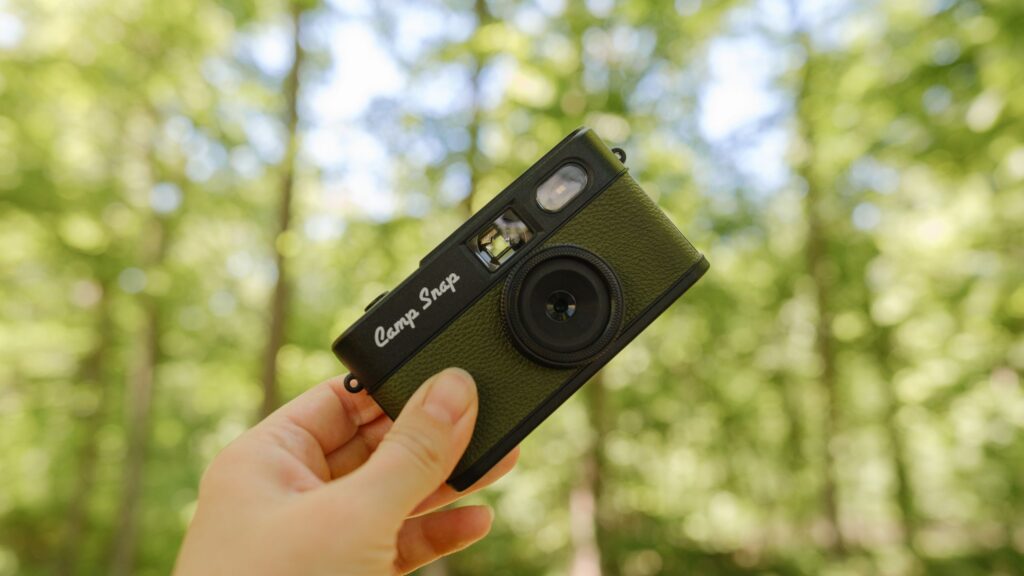
Table of Contents
The intentional imperfection of the ‘digital disposable’
There is a growing counter-culture in consumer electronics that prioritizes friction over efficiency. While the smartphone industry spends billions on computational photography to eliminate noise and perfect dynamic range, a niche of users is actively seeking the opposite: the blurry, overexposed, and grain-heavy aesthetic of the early 2000s. This is the exact void the Camp Snap 2 aims to fill.
Originally conceived as a screen-free alternative for children at summer camps—where smartphones are often banned—the original Camp Snap became an unexpected viral hit among Gen Z and Millennial adults. Its appeal wasn’t technical prowess, but rather its mirroring of the disposable film camera experience. You take the photo, you don’t see the result immediately, and you accept the outcome. The newly announced Camp Snap 2 maintains this philosophy while addressing the specific hardware frustrations that plagued the first generation.
Hardware iterations and the ‘Analog’ feel
On the surface, the Camp Snap 2 looks nearly identical to its predecessor, but the internal workflow has seen a critical upgrade. The most significant friction point of the original model was its filter management; users had to plug the camera into a computer to swap aesthetic profiles. The Camp Snap 2 replaces this tedious process with a physical button that allows users to cycle through six different filters on the fly, including a dedicated black-and-white mode and an analog-mimicking profile.
Technically, the camera remains modest. It retains an 8MP sensor, which in the era of 108MP smartphone arrays, seems like a regression. However, for this product, the low resolution is a feature, not a bug. The image quality is charmingly imperfect. The sensor lacks a significant dynamic range, meaning high-contrast scenes—such as a bright sunny day—often result in blown-out highlights. To the average photographer, this is a failure; to the lo-fi enthusiast, it is the ‘film look’ they are chasing.
The lens has been refreshed to provide a slightly wider field of view, which helps in candid group shots, though it doesn’t solve the inherent shutter lag. There is still a noticeable delay between pressing the button and the actual capture, a quirk that can lead to motion blur if the subject is moving quickly—or if the user is a restless child.
Design for adults and children alike
Beyond the optics, the Camp Snap 2 introduces a few quality-of-life improvements. The memory card slot is now more accessible. While it still features a screw to prevent kids from accidentally ejecting the card, the design now allows adult users to leave the screw off for easier swapping. Additionally, the inclusion of a tripod mount brings a level of utility that was missing from the original plastic chassis.
The aesthetic appeal is further bolstered by new color options. While solid colors remain available, the launch includes translucent shells. This design choice taps into the late-90s ‘Atomic Purple’ era of tech, exposing the internal circuitry and aligning the hardware with the same nostalgia as the software output.
Positioning in a saturated market
Priced at approximately $70 (roughly AU$130), the Camp Snap 2 sits in a strange market position. It is too underpowered to be a serious tool and too expensive to be a toy, yet it thrives in the ‘experience’ economy. It competes less with Canon or Sony and more with the resurgence of actual disposable film and the trend of ‘dumb phones’.
The company is also diversifying its lineup to capture different segments of this nostalgia. For those who want a slightly sharper image, the 16MP Camp Snap CS-Pro offers a step up in resolution, while the CS-8 targets the retro camcorder trend. By keeping the Camp Snap 2 at the original price point, the brand is betting that the allure of the ‘digital disposable’ remains strong enough to drive sales without needing to hike prices for the new features.


