Xiaomi Bets on Mini LED Dominance with FX Series Launch in India
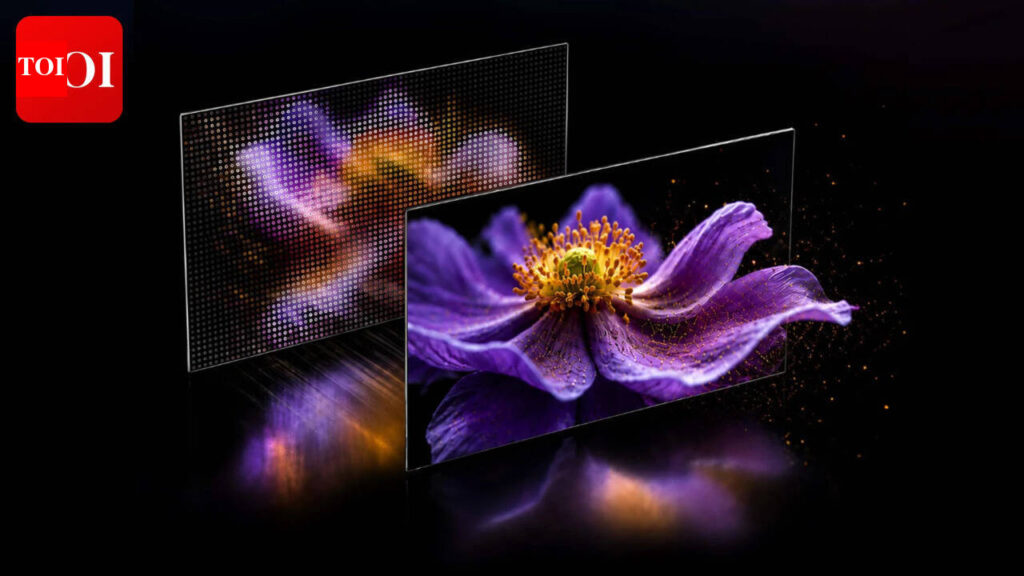
Table of Contents
A Strategic Pivot Toward Premium Panels
Xiaomi is preparing to shift the needle on its television strategy in India. The company has officially confirmed the launch of the FX Mini LED series for June 4, 2026, signaling a concerted effort to move beyond budget-friendly LED panels and compete more aggressively in the high-end home cinema segment.
While Xiaomi has long held a strong grip on the entry-level and mid-range smart TV markets, the FX series is an attempt to bridge the gap between standard LED and high-cost OLED displays. By utilizing Full-Array QD-Mini LED backlighting, Xiaomi is targeting the ‘sweet spot’ of brightness and contrast that enthusiasts demand for HDR content, without the burn-in risks associated with organic LEDs.
The Hardware: Dimming Zones and Color Accuracy
The technical core of the FX series lies in its independent dimming zones. Unlike traditional edge-lit displays, the Mini LED architecture allows the TV to turn off specific clusters of LEDs entirely, resulting in deeper blacks and significantly reduced ‘blooming’—the annoying halo effect often seen around bright objects on dark backgrounds.
To manage this hardware, Xiaomi is deploying its proprietary Quantum MagiQ image processing engine. This chip is tasked with real-time contrast optimization and motion smoothing, ensuring that the 4K resolution isn’t just about pixel count, but about how those pixels are rendered. The inclusion of a DCI-P3 93% wide color gamut suggests the FX series is being positioned as a viable option for creators and cinephiles who require color accuracy closer to studio standards.
Integration with the Amazon Ecosystem
Notably, Xiaomi is continuing its deep partnership with Amazon by powering the FX series with the Fire TV platform. This is a calculated move; by eschewing a proprietary OS in favor of Fire TV, Xiaomi gains immediate access to a mature app ecosystem and seamless Alexa integration, which has become a staple for smart home setups in urban Indian households.
For those concerned with acoustics, the larger models in the FX lineup are equipped with a quad-speaker array. The hardware is backed by Dolby Audio and DTS:X, attempting to provide a spatial audio experience that reduces the immediate need for an external soundbar, though the efficacy of these built-in speakers will likely depend on the chassis size of the specific model.
Market Context and Competitive Pressure
The timing of this launch is no accident. The Indian premium TV market is currently a battlefield between Samsung’s Neo QLEDs and Sony’s high-end Bravias. Xiaomi’s entry with the FX series is designed to disrupt this pricing structure. Historically, Xiaomi has used a ‘spec-heavy, price-light’ strategy, and if they can underprice the competition while maintaining the 93% DCI-P3 color accuracy, they could attract a significant wave of upgraders from the 1080p and basic 4K markets.
However, the real test will be the pricing tiers. If the FX series arrives at a price point that competes with mid-range LED TVs, it could force a market-wide shift toward Mini LED as the new standard. If it is priced as a true luxury item, Xiaomi will need to prove that Quantum MagiQ provides a tangible edge over the established image processing legacies of Japanese and Korean rivals.
Full pricing and the specific screen size options—expected to range from 55 to 85 inches—will be disclosed during the June 4 event.