Xiaomi Bridges the Ecosystem Gap: HyperOS 3 Brings AirDrop Support to Android Devices
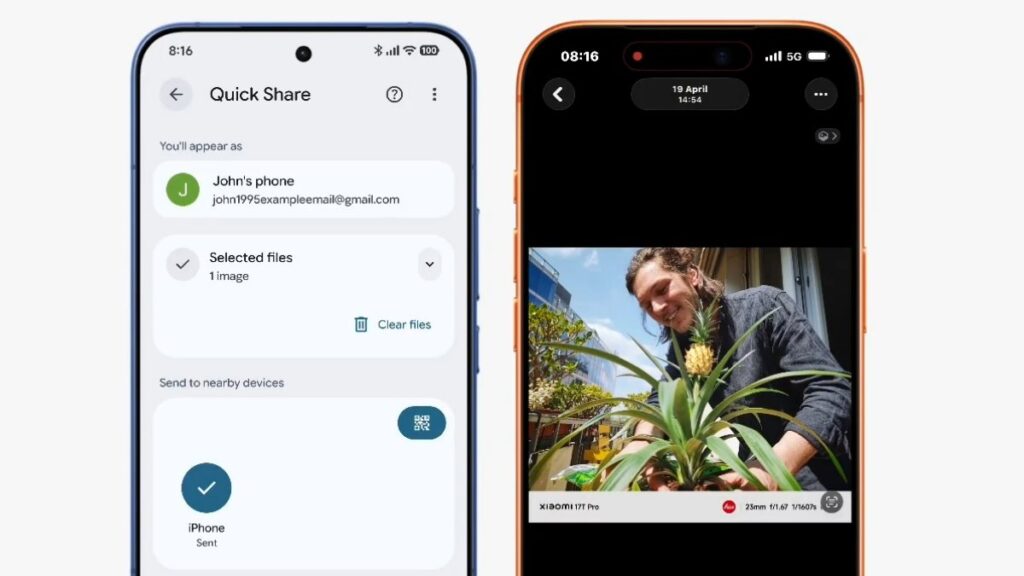
Table of Contents
Breaking the Walled Garden
For years, the friction between iOS and Android has been most palpable not in the hardware, but in the invisible walls surrounding the data. The inability to quickly move a high-resolution video or a batch of photos from a Xiaomi device to an iPhone without relying on cloud intermediaries or cumbersome messaging apps has been a long-standing pain point for multi-device users. Xiaomi is now attempting to dismantle that barrier.
In a move that signals a broader shift toward interoperability in the mobile industry, Xiaomi has announced that its latest software overhaul, HyperOS 3, integrates AirDrop compatibility through Google’s Quick Share framework. The announcement, shared via the company’s official X account on Monday, confirms that users on the latest build—which is based on the upcoming Android 16—can now transmit files directly to Apple devices, including iPhones and iPads.
The Technical Bridge: How Quick Share Meets AirDrop
While the branding emphasizes “AirDrop support,” the mechanism is rooted in the evolution of Quick Share (formerly Nearby Share). By leveraging shared protocols and refining how Android devices announce their presence to Apple’s proprietary discovery system, Xiaomi is essentially creating a translation layer. This allows the Xiaomi 17T Pro, which is the first confirmed model to support this functionality, to “speak” to an iPhone’s AirDrop receiver without requiring a third-party app or a manual workaround.
This isn’t just a win for Xiaomi; it is a reflection of a wider trend among Android OEMs. Samsung and Oppo have already implemented similar bridge technologies in their flagship series, acknowledging that the modern consumer often operates in a mixed-ecosystem environment. By integrating this at the OS level via HyperOS 3, Xiaomi is ensuring that the transfer is seamless rather than a hacked-together solution.
Contextualizing the Android 16 Foundation
The timing of this rollout is particularly notable. HyperOS 3 is leaning heavily on the early foundations of Android 16. The integration suggests that Google is providing more robust APIs within the Android framework to facilitate cross-platform communication, likely to combat the perceived “lock-in” effect of the Apple ecosystem. For Xiaomi, which has been aggressively expanding its presence in European and Asian markets, removing the friction of switching from an iPhone to a Xiaomi device is a strategic play to attract high-value users.
However, the rollout is not universal. Currently, the functionality is tied to specific high-end models and the latest software builds. Users on older HyperOS versions or legacy hardware may find themselves excluded from this feature, as the handshake between Quick Share and AirDrop requires specific hardware-level wireless optimizations to maintain stability and speed during the transfer.
Market Implications and the End of the File Transfer Struggle
The industry has seen various attempts to solve this—from the rise of Telegram’s file sharing to the ubiquity of Google Drive—but none have matched the speed of a local peer-to-peer transfer. By adopting a standard that Apple users are already accustomed to, Xiaomi is reducing the “cognitive load” of the user experience.
This move positions Xiaomi directly alongside other Android giants in a race to make their devices as “Apple-friendly” as possible. As more brands integrate these protocols, the distinct boundary between the two largest mobile operating systems continues to blur, shifting the competition away from basic connectivity and toward deeper AI and software services.


