Rescue Efforts in Laos Cave Stall as Landslides Block New Access Shaft
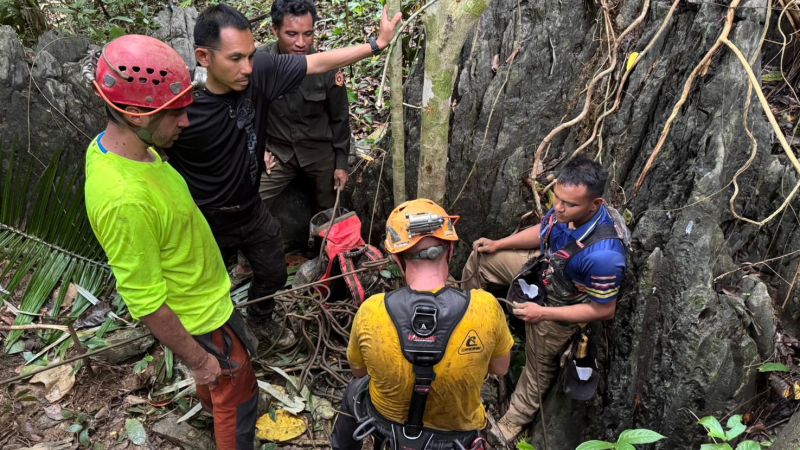
Table of Contents
A Race Against the Monsoon
Rescue operations in central Laos have hit a critical impasse as international dive teams and local authorities struggle to reach two men feared trapped in a flooded cave system. The men, part of an eight-person expedition searching for gold, disappeared on May 20 after sudden, torrential rains triggered flash flooding, sealing the cave’s narrow exits and transforming the subterranean network into a series of disconnected, water-filled chambers.
The urgency of the mission is underscored by the brutal timing of the region’s monsoon season. While five members of the party managed to escape—one with professional assistance and four unaided—the remaining two have been missing for nearly two weeks. The survivors, currently recovering in local hospitals, reported spending days in a state of semi-hibernation, relying on minimal water and sleep to preserve metabolic energy while waiting for rescue.
The Failed Promise of the Vertical Shaft
On Monday, hopes surged when rescuers identified a vertical shaft plunging more than 100 meters (320 feet) into the earth. Initial reports suggested this could provide a safer, direct bypass to the trapped men, avoiding the treacherous, flooded horizontal tunnels that have stymied previous attempts. However, the optimism was short-lived.
Australian diver Josh Richards, a key member of the international response, reported that the shaft is effectively impassable. “The shaft was completely full of rockfall and landslide,” Richards stated, noting that the team could not identify a viable path downward. This development represents a significant tactical setback, as the rescue team had been pinning its hopes on a vertical approach to circumvent the flooded entrance.
Technical Hurdles and Drainage Strategies
The operation has now pivoted back to a grueling war of attrition against the water levels. Bounkham Luanglath, president of the Lao People’s Volunteer Association, confirmed that the current strategy relies heavily on high-capacity pumps to drain the cave system. To support this, heavy machinery has been deployed to excavate water retention ponds nearby, creating a destination for the thousands of gallons being extracted from the tunnels.
The technical difficulty is compounded by the geography of the cave. Kengkard Bongkawong described the risk of the operation as “pouring water into a straw,” noting that a single heavy downpour can instantly refill the narrow conduits, trapping rescuers and potentially drowning those they are trying to save. This volatility makes the deployment of advanced scanning equipment—which divers are currently awaiting—essential for mapping the interior without risking human lives in blind descents.
The Role of Mapping and Scanning
Until the arrival of specialized subterranean imaging tech, the rescue teams have been relying on hand-drawn maps provided by the five survivors. These maps are imprecise, reflecting the disorientation and panic experienced during the initial flood. The requested scanning equipment would allow the team to produce a high-resolution image of the cave’s architecture, potentially revealing other undetected vents or air pockets where the missing men might be huddled.
Uncertainty and False Leads
The psychological toll of the mission has been heightened by a series of contradictory signals. Late Monday, reports surfaced that a rescuer had heard a “knocking response” from deep within the network, sparking a flurry of activity. However, those reports were later retracted by the dive crew, who could not verify the source of the sound.
With the vertical shaft blocked and the weather remaining a primary adversary, the rescue team is left with a narrow window of opportunity. If the drainage pumps can keep pace with the monsoon rains, there is a slim possibility that the missing men could exit via the original route. For now, the operation remains a desperate gamble against the elements and the unpredictable geology of the Lao jungle.