The ‘This is Fine’ Dog Finds a Way Out: KC Green Settles With AI Startup Artisan
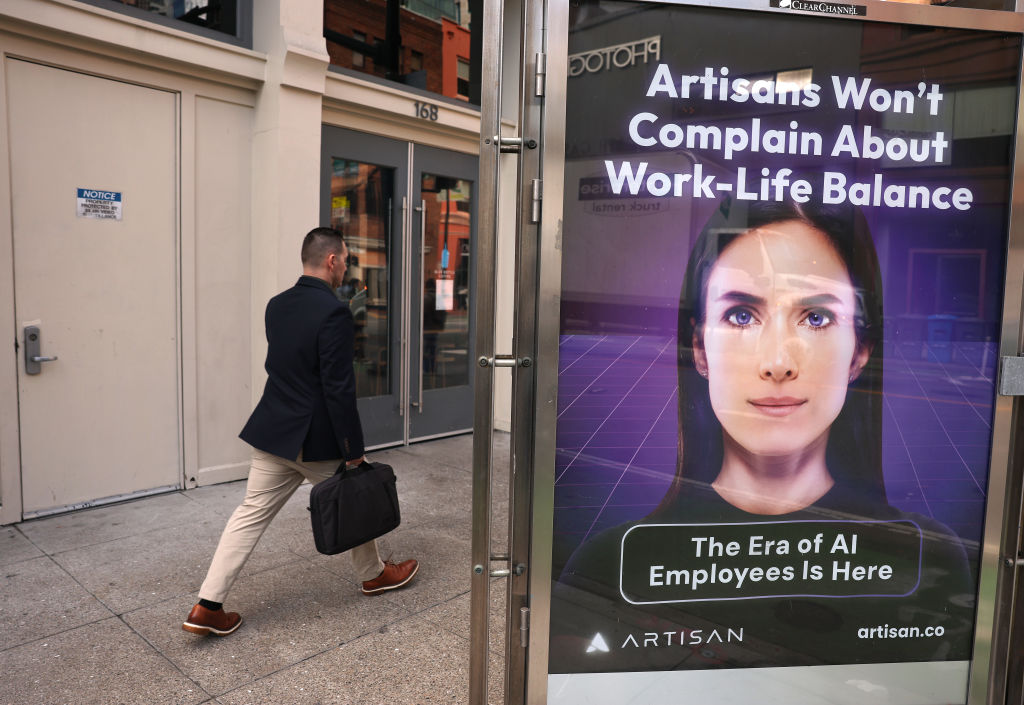
Table of Contents
A High-Stakes Meme in the Real World
For over a decade, KC Green’s “This is fine” dog—a wide-eyed canine sitting calmly in a room engulfed in flames—has served as the internet’s universal shorthand for cognitive dissonance and systemic collapse. It is a piece of cultural shorthand that transcends language. But for Green, the artist behind the comic, the meme recently shifted from a digital joke to a legal headache when an AI startup decided to weaponize the image for corporate gain.
The dispute centered on Artisan, an AI-driven sales startup that launched an aggressive outdoor advertising campaign in New York and San Francisco. The ads featured a modified version of Green’s character, still surrounded by fire, but with a tweaked caption: “My pipeline is on fire.” The punchline of the ad was a call to action to “Hire Ava the AI BDR,” positioning Artisan’s AI business development representative as the solution to a chaotic sales funnel.
The irony was not lost on Green. While the meme describes a state of denial, the artist was far from denying the infringement. He took to social media to blast the company, claiming his work had been “stolen like AI steals.” In a move that reflected the visceral frustration many creators feel toward the current generative AI climate, Green urged his followers to “vandalize” the ads if they spotted them in the wild.
The Friction Between Creators and “AI Efficiency”
This clash highlights a growing tension in the tech ecosystem: the gap between the “move fast and break things” ethos of AI startups and the intellectual property rights of the humans whose work trains—and promotes—those very systems. For companies like Artisan, using a recognizable meme is a shortcut to instant brand recognition. For artists, it is a parasitic relationship where the value of the original work is stripped away to sell a software subscription.
In communications with TechCrunch, Green expressed a weariness that has become common among digital illustrators. He noted the frustration of having to “try my hand at the American court system”—a process that is often prohibitively expensive and time-consuming for individual freelancers—rather than spending that energy on his actual creative output.
The incident is particularly poignant given the nature of the product being sold. Generative AI has spent the last two years under fire for scraping billions of images without consent. When a company built on those principles then uses a specific, copyrighted character in a physical ad campaign, it bridges the gap between algorithmic theft and traditional copyright infringement.
The Terms of the Truce
The resolution of the conflict came surprisingly quickly. Jaspar Carmichael-Jack, the founder and CEO of Artisan, stated that the company holds “a lot of respect for Green and his work,” signaling a pivot from the aggressive posture of the ad campaign to a more conciliatory tone once legal pressure mounted.
Green confirmed to reporters that the two parties reached a settlement rapidly. While the financial terms remain confidential, the visible outcomes are clear: Artisan has scrubbed the offending ads from the streets of New York and San Francisco. In exchange, Green removed his initial social media posts calling for the campaign’s downfall.
While this settlement prevents a prolonged legal battle, it serves as a cautionary tale for the burgeoning AI industry. The assumption that internet memes are “fair game” or reside in a public domain vacuum is a dangerous legal gamble. As AI startups continue to seek ways to humanize their brands, the cost of ignoring the humans behind the art is becoming increasingly clear.