New Mexico’s Truth Commission Targets Financial Institutions and Research Hubs in Epstein Probe
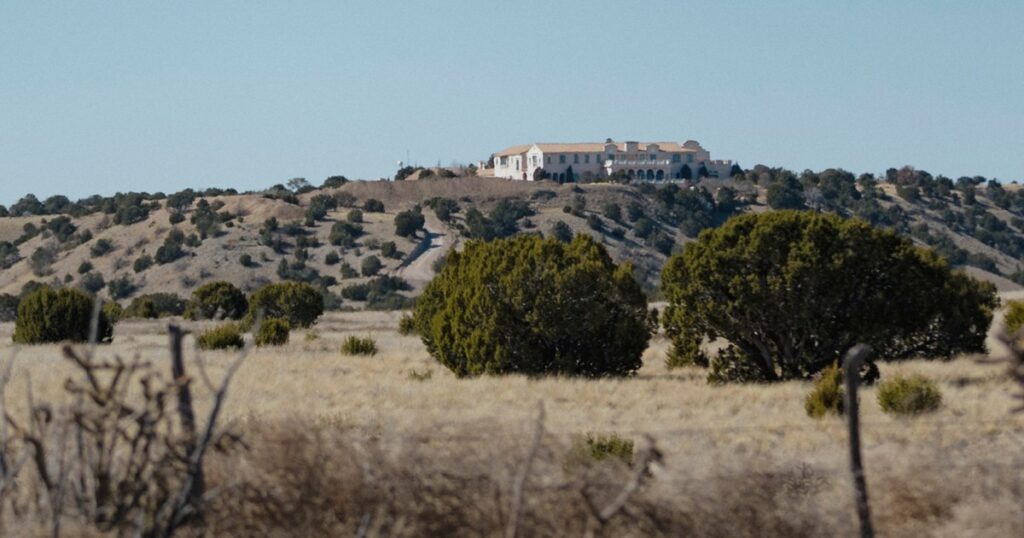
Table of Contents
A Bipartisan Push for Accountability
New Mexico lawmakers have initiated a sweeping effort to uncover the full extent of Jeffrey Epstein’s activities within the state, signaling a shift from passive observation to active investigation. The New Mexico Truth Commission, a bipartisan body, announced on Monday that it is issuing subpoenas to 14 distinct targets, including federal agencies and private financial institutions, to determine if criminal charges should be filed against former associates or facilitators of Epstein’s network.
The commission’s reach extends beyond typical law enforcement boundaries. Subpoenas are expected to be delivered to the U.S. Department of Justice and the FBI, as well as state and local agencies that previously handled Epstein-related leads. More notably, the probe is targeting the financial plumbing that sustained Epstein’s lifestyle, specifically naming Deutsche Bank and JPMorgan Chase.
The Intersection of Science and Influence
A central focus of the investigation is the Santa Fe Institute, a prestigious nonprofit scientific research center that Epstein supported heavily. While the Institute has previously distanced itself from Epstein’s crimes, the Truth Commission is digging into the nature of that relationship. State Representative Marianna Anaya, a Democrat on the commission, noted that the investigation will look beyond sex trafficking and financial irregularities to explore potential “medical and scientific crimes.”
This focus on the scientific community highlights a darker side of Epstein’s pursuit of “intellectual prestige,” where he leveraged funding to gain access to world-class researchers and institutions. The commission aims to determine if this philanthropic facade masked more sinister experimental or medical activities, though specific details on these allegations remain under wraps.
The Zorro Ranch Blind Spot
For decades, Epstein’s 10,000-acre Zorro Ranch outside Santa Fe served as a private sanctuary that largely escaped legal scrutiny. Despite at least 10 women alleging they were groomed or abused at the ranch—some as teenagers—no law enforcement agency conducted a search of the property until this year. This institutional failure is a primary driver for the current commission’s work.
The lack of local prosecution was partially a result of a 2008 non-prosecution agreement in Florida, which effectively shielded Epstein from serious jail time and ended investigations in several other states. While he was required to register as a sex offender in New York and Florida, New Mexico was notably absent from those requirements, creating a legal loophole that allowed the ranch to operate without oversight.
Funding the Pursuit of Truth
In a poetic turn of legal retribution, the Truth Commission’s operations are being funded by money the state recovered from a settlement with Epstein’s former banks. This financial arrangement ensures that the institutions that once profited from Epstein’s accounts are now paying for the investigation into his crimes.
The commission is currently coordinating with the state Justice Department, which has reopened a criminal probe that was shut down in 2019 following a request from federal prosecutors in New York. This coordinated effort is designed to build a comprehensive public record and identify legislative gaps that allowed Epstein to operate with impunity for so long.
During the commission’s initial meeting, Rachel Benavidez, a licensed massage therapist and survivor of Epstein’s abuse at the ranch, emphasized that the investigation must look beyond the man himself. “We know Jeffrey Epstein could not have acted alone,” Benavidez stated, suggesting that the network’s influence permeated academia, finance, and government.
Closing the Legal Gaps
Beyond identifying new criminal targets, the commission intends to recommend systemic changes to New Mexico state law. The goal is to ensure that the jurisdictional gaps—which allowed federal agencies to override state interests in 2019—cannot be exploited again. As the subpoenas move forward, the focus remains on the survivors and the evidentiary record, aiming to turn the Zorro Ranch from a site of hidden horrors into a case study for legal and institutional reform.