Microsoft pivots to the prosumer with Surface Laptop Ultra, featuring Nvidia Blackwell architecture
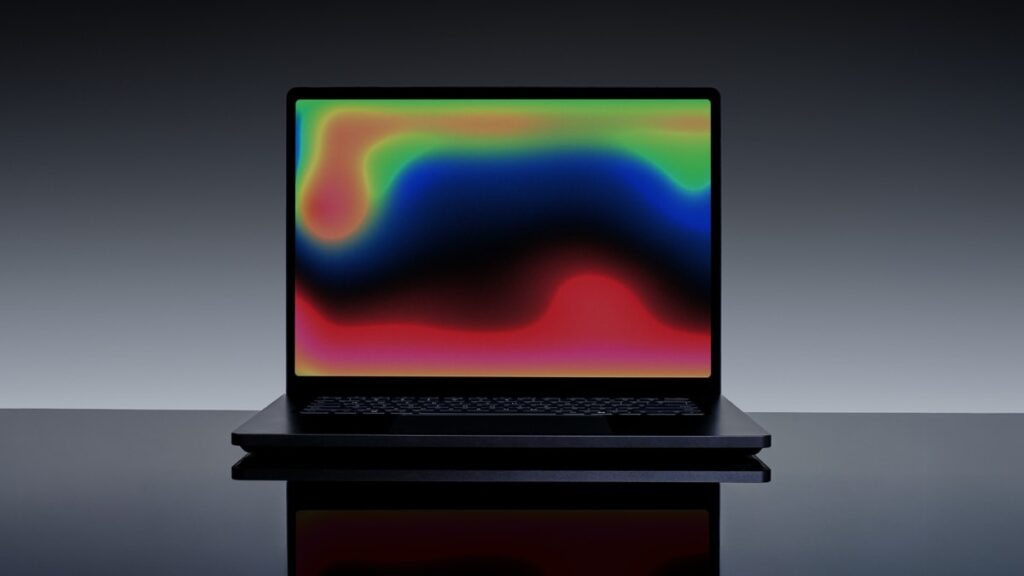
Table of Contents
A departure from the ‘Thin and Light’ philosophy
For years, the Surface Laptop line has been defined by a commitment to portability and sleek aesthetics, often prioritizing form over raw compute. That strategy changes with the introduction of the Surface Laptop Ultra. Announced this Sunday, the Ultra isn’t just a spec bump; it is a fundamental pivot toward the high-end workstation market, specifically targeting the AI researchers and developers who have previously been forced to choose between a bulky gaming rig or a cloud-based instance.
The centerpiece of the Ultra is a deep engineering collaboration with Nvidia. By integrating the latest Blackwell RTX graphics architecture, Microsoft is attempting to bridge the gap between mobile productivity and data-center-grade compute. The most striking detail is the support for up to 128GB of unified memory. In the context of local AI development, this is a critical move. Large Language Models (LLMs) are notoriously memory-hungry, and providing a massive, shared pool of memory allows the system to load larger parameter sets without the constant bottleneck of swapping data between the CPU and GPU.
The Blackwell integration and CUDA support
While previous Surface devices have leaned on integrated graphics or mid-range discrete chips, the Laptop Ultra brings full CUDA support to the forefront. This makes the device a viable local environment for complex simulations and 3D rendering—tasks that typically require a desktop tower. By leveraging Blackwell, Microsoft is positioning the Ultra as a primary tool for those running local AI weights or compiling massive software projects that would throttle a standard Surface Pro or Laptop.
The hardware shift also necessitates a change in thermal management, though Microsoft has remained tight-lipped about the specific cooling solution used to keep the Blackwell chip stable under heavy load. However, the move toward “Ultra” branding suggests a chassis capable of handling significantly higher TDP (Thermal Design Power) than its predecessors.
PixelSense Ultra: Pushing the brightness ceiling
The visual experience is anchored by a 15-inch mini-LED PixelSense Ultra touchscreen. This isn’t just a slight iteration of the existing display tech; it is the brightest panel Microsoft has ever shipped in a Surface device, boasting a peak HDR brightness of 2,000 nits. For creators working in high-glare environments or those requiring strict HDR color grading, this is a significant jump over the standard LCD panels found in the rest of the lineup.
With a pixel density of 262ppi, the display is designed for high-precision work. Mini-LED technology allows for localized dimming, meaning the blacks are deeper and the contrast is sharper, mimicking the performance of OLED while avoiding the risk of permanent burn-in—a common concern for developers who leave static IDEs and terminal windows open for hours on end.
Availability and Market Positioning
The Surface Laptop Ultra will be available in two colorways: Platinum and Nightfall. While Microsoft confirmed a release window for “later this year,” the company stopped short of providing a price point. Given the inclusion of Blackwell architecture and the 128GB memory ceiling, the Ultra is expected to sit in a premium price bracket, likely competing with the high-end MacBook Pro M3 Max configurations and the Razer Blade series.
The lack of regional availability details suggests a phased rollout, likely starting in the US and select European markets. For the professionals this device targets, the appeal isn’t the brand name, but the ability to carry a CUDA-capable workstation that doesn’t require a permanent power tether to function at peak capacity.


