Amazon Refreshes Fire TV Stick HD in India with Wi-Fi 6 and Leaner Hardware
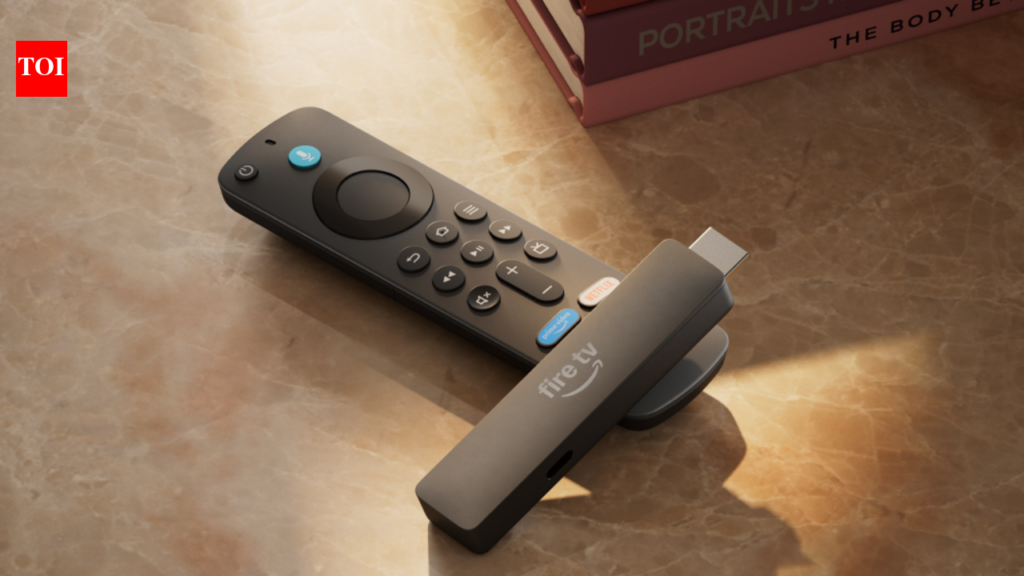
Table of Contents
A Slimmer Profile for a Crowded Market
Amazon has officially expanded its streaming hardware footprint in India with the launch of the newest Fire TV Stick HD. While the ‘HD’ branding suggests a focus on the mass market rather than the 4K enthusiast, the internals of this iteration signal a concerted effort to fix the stuttering and latency issues that have plagued entry-level streaming dongles in the past.
The most immediate change is the physical footprint. Amazon describes this as its slimmest Fire TV Stick to date, a move that reflects the trend toward invisible hardware. However, the real story is under the hood. Amazon claims a performance increase of over 30% compared to its predecessor. In practical terms, this isn’t about rendering higher resolution graphics, but about reducing the ‘input lag’ between a remote click and the app launching—a perennial pain point for Fire OS users.
The Wi-Fi 6 Pivot
Perhaps the most significant technical upgrade is the integration of Wi-Fi 6. For years, budget streaming sticks have relied on older Wi-Fi 5 (802.11ac) standards, which often struggle in densely populated urban environments like Mumbai or Delhi, where signal interference from neighboring routers is rampant. By moving to Wi-Fi 6, the device can handle higher data throughput and more efficient congestion management, which is critical for maintaining stable bitrates during live sports or high-action cinema streaming.
This hardware shift is designed to bridge the gap for users who may not have a 4K television but still possess a modern Wi-Fi 6 router. It ensures that the bottleneck for streaming quality is the internet plan, not the hardware plugged into the HDMI port.
Navigating the New Interface
Alongside the hardware, Amazon is deploying a redesigned user interface. The new layout attempts to solve the ‘cluttered home screen’ problem that has defined the Fire TV experience for years. The interface now prioritizes quick-access rails for movies, shows, and live content, reducing the number of clicks required to jump from the home screen into a specific playback session.
The integration of live content is particularly targeted at the Indian market, where linear TV and live streaming (via apps like Hotstar and JioCinema) remain dominant. By surfacing live channels more prominently, Amazon is attempting to transition the Fire TV Stick from a mere app launcher into a comprehensive replacement for the traditional set-top box.
Positioning Against the Competition
The launch puts Amazon in direct competition with Google’s Chromecast and the various Android TV boxes that dominate the budget segment in India. While Google often wins on pure software flexibility, Amazon leverages its ecosystem integration. The Fire TV Stick HD acts as a gateway for the broader Alexa ecosystem, allowing users to control smart home devices directly from their television.
For the average consumer, the value proposition here is stability. The combination of a 30% performance bump and Wi-Fi 6 suggests that Amazon is moving away from the ‘cheap enough’ philosophy and toward a ‘reliable enough’ standard, acknowledging that streaming lag is the primary reason users upgrade their hardware.
Pricing and availability details are rolling out across Amazon India and select retail partners, positioning the device as the primary entry point for households looking to modernize older LED TVs without investing in a full 4K ecosystem.


