Call of Duty: Modern Warfare 4 Pivots to Korean Peninsula in High-Stakes Narrative Reboot
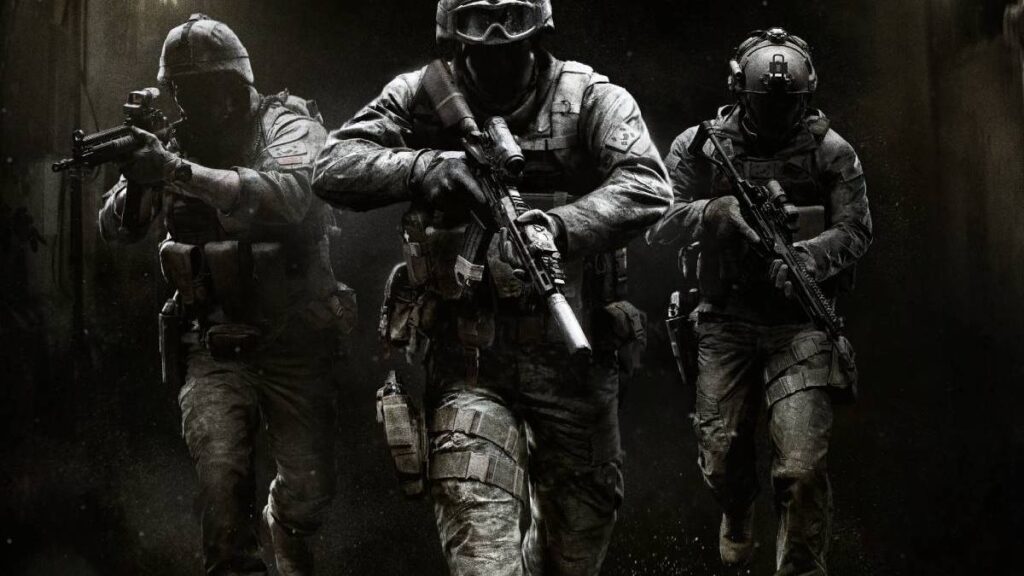
Table of Contents
A Geopolitical Shift in the Modern Warfare Universe
Infinity Ward is steering the Call of Duty franchise back toward gritty, geopolitical tension with the reveal of Call of Duty: Modern Warfare 4. Departing from the scattered global skirmishes of recent entries, the new title centers its narrative on a full-scale invasion of the Korean Peninsula. The plot follows a dual-track structure: one focused on a young squad of South Korean soldiers struggling to hold a collapsing front line, and another following the iconic Captain Price in a shadow war of attrition.
The narrative stakes are notably higher this time, as the game seeks to resolve long-running storylines that have spanned the rebooted Modern Warfare era. Price is no longer operating as a standard military asset; instead, he is depicted as a vengeful operative waging a personal crusade, staying one step ahead of mysterious hunters while his off-book missions inadvertently collide with the larger invasion force. This intersection suggests a story driven more by consequence and escalation than the traditional ‘mission-of-the-week’ structure seen in previous iterations.
Global Conflict and Diverse Combat Zones
The campaign promises a significant shift in environment and scale. While the Korean Peninsula serves as the primary theater of war, the conflict rapidly spills over into international territories. Players can expect a variety of operational theaters, including traditional trench warfare in Korea and high-intensity, close-quarters combat in the streets of New York City. The scope extends to high-octane chases through Paris and specialized SAS night raids in Mumbai, culminating in large-scale city assaults to reclaim occupied territories.
Technically, the game aims to lean into ‘grounded’ combat. According to the latest details, the multiplayer experience is designed around precision and fluid movement, granting players greater control over their engagements. This shift appears to be a response to community feedback regarding the ‘slide-cancel’ era of movement, attempting to find a balance between tactical positioning and the fast-paced action the series is known for.
The Return of DMZ and the ‘Switch 2’ Factor
Beyond the narrative campaign, the DMZ mode returns as a core pillar of the experience. Positioned as an ‘off-the-books’ extraction operation, DMZ forces players to operate as deniable assets behind enemy lines. The mode emphasizes hard choices—specifically the tension between completing high-value objectives and the necessity of a timely extraction. This loop of risk and reward has become a critical part of the Call of Duty ecosystem, mirroring the rise of extraction shooters like Escape from Tarkov.
Perhaps the most surprising detail in the announcement is the platform list. Alongside the standard PC, PlayStation 5, and Xbox Series X/S deployments, the game is slated for the Nintendo Switch 2. While Nintendo has not officially detailed the successor to the Switch, the inclusion of a flagship title like Modern Warfare 4 suggests a significant jump in the handheld’s processing power and memory bandwidth. Bringing a current-gen Call of Duty experience to a Nintendo portable is a strategic move that could fundamentally shift the handheld gaming landscape, though it raises questions about how the visual fidelity and frame rates will be maintained compared to the PS5 and Xbox Series X versions.