Google’s Latest Tablet Push Highlights a Persistent Android Problem
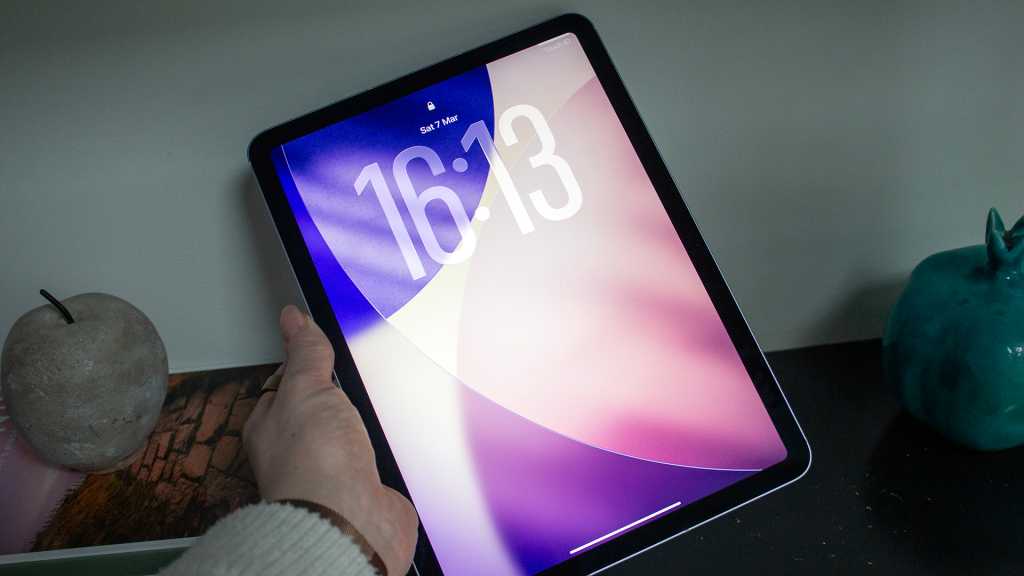
Table of Contents
The Battle for the Big Screen
Google is attempting to solve one of Android’s most enduring frustrations with a new visual cue. According to reports from Android Authority, the company is preparing to introduce a dedicated badge within the Google Play Store to highlight applications specifically designed for larger screens, including tablets and book-style foldables.
On the surface, this is a helpful UX improvement. For the end user, it reduces the gamble of downloading an app only to find it is a stretched-out smartphone interface that fails to utilize the available screen real estate. However, the introduction of such a system in 2026—sixteen years after the inception of Android tablets—serves as a stark admission of a systemic failure in the Android ecosystem.
The Optimization Gap
The fundamental issue isn’t a lack of hardware capability, but a persistent lack of developer incentive and platform consistency. While Google has pushed various iterations of Android for large screens, the experience remains fragmented. Users still frequently encounter “blown-up” phone apps that lack the adaptive layouts, multi-column views, and sophisticated window management that have become standard on iPadOS.
Apple, by contrast, has maintained a rigorous standard for tablet software. While not without its own hiccups—WhatsApp famously took years to deliver a truly native iPad experience—the iPad ecosystem generally ensures that if an app exists, it is optimized for the device’s unique aspect ratio and interaction model. This software maturity is precisely why Apple continues to hold a commanding lead in the sector.
Market Realities and the Samsung Buffer
The numbers tell a definitive story. Recent data from StatCounter indicates that Apple’s iPad series maintains a market share of approximately 51.5% as of early 2026. While that leaves nearly half the market for Android, the distribution among competitors is heavily skewed. Samsung, the primary challenger, holds roughly 25.8%, leaving a fragmented long tail of smaller OEMs to fight over the remainder.
This gap isn’t just about brand loyalty; it’s about the value proposition. When a user buys an iPad, they aren’t just buying hardware; they are buying a curated library of software that works. Android tablets, despite offering diverse price points and impressive hardware, often feel like secondary devices because the software experience remains an afterthought.
The ‘Neo’ Effect and the Threat of a Total Lockout
The current trajectory of Apple’s product strategy suggests a potential pivot that could further marginalize Android tablets. Under the leadership of CEO John Ternus, Apple has already successfully disrupted the entry-level laptop market with the MacBook Neo. By pricing the Neo at $600, Apple successfully encroached on the budget-friendly territory previously dominated by low-end Windows machines, offering a level of build quality and silicon efficiency that Windows OEMs struggled to match at that price point.
If Apple applies this same “Neo” logic to the tablet market—introducing a highly capable, brightly colored, full-sized iPad Neo in the $200 range—the Android tablet ecosystem could face an existential crisis. A budget-priced iPad backed by Apple’s vertical integration of M-series silicon and a mature App Store would leave very little room for Android tablets to compete on anything other than raw specifications.
Google’s new Play Store badges are a step in the right direction, but they feel like a reactive measure to a problem that should have been solved a decade ago. Until Android can offer a consistent, optimized software experience across all OEMs, the platform remains vulnerable to a strategic pricing move from Cupertino that could effectively shut the door on the Android tablet experiment.