AMD Plays Both Sides of the Socket: Ryzen 7 7700X3D Debuts While 5800X3D Returns for AM4 Loyalists
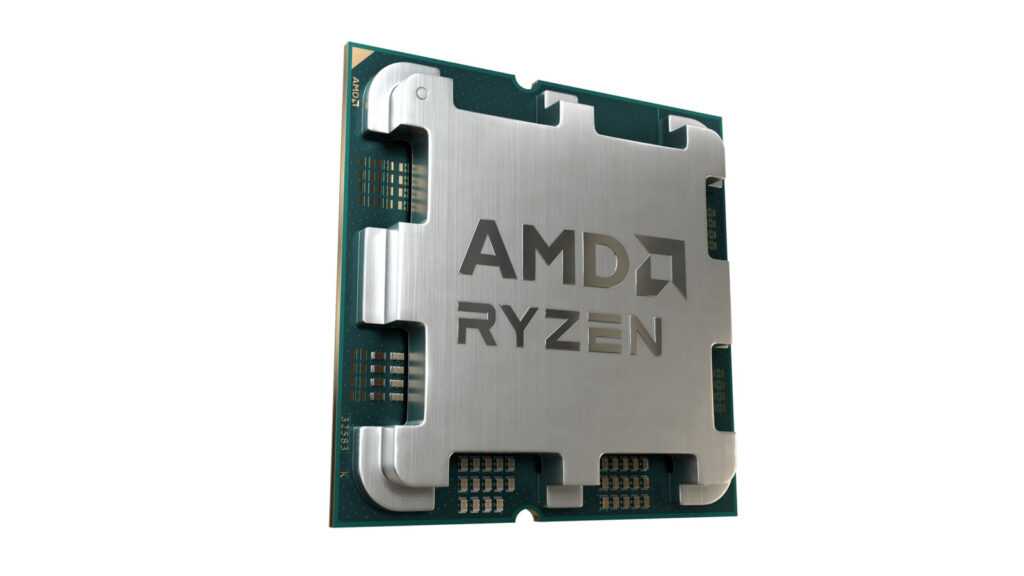
Table of Contents
A Strategic Pivot Toward Mid-Range Gaming
At Computex 2026, AMD took a rare step backward to move forward, announcing a dual-pronged hardware strategy that targets two entirely different segments of the PC gaming community. While the industry has spent the last several quarters obsessed with $600+ flagship processors and enthusiast-grade overkill, AMD is pivoting toward the “sweet spot” of price-to-performance with the introduction of the Ryzen 7 7700X3D and the surprise resurrection of the Ryzen 7 5800X3D.
The announcement comes at a precarious time for PC builders. With volatile memory pricing and the increasing cost of entry for DDR5 ecosystems, the barrier to upgrading has never been higher. By introducing high-performance 3D V-Cache silicon at sub-$350 price points, AMD is effectively attempting to insulate its user base from the “luxury tax” currently affecting the high-end CPU market.
Modern Performance: The Ryzen 7 7700X3D
The centerpiece of the new lineup is the Ryzen 7 7700X3D, designed for the AM5 platform. This chip is essentially a streamlined version of the X3D philosophy: delivering the massive L3 cache that games crave without the thermal and financial overhead of the Ryzen 9 series. Boasting an 8-core, 16-thread configuration with a 120W TDP, the 7700X3D features a total cache of 104 MB and a maximum boost clock of 4.5GHz.
For the average gamer, the 7700X3D represents a pragmatic entry point into the AM5 ecosystem. While the 7800X3D has long been the gold standard for gaming, the 7700X3D offers a more accessible price tag of $329, slated for release on July 16. This move reinforces AMD’s commitment to the AM5 socket, which the company has pledged to support through 2029, giving users a clear, long-term upgrade path without requiring a motherboard swap every two generations.
The Nostalgia Play: 5800X3D Returns
Perhaps the more surprising news for the enthusiast community is the return of the Ryzen 7 5800X3D. Initially discontinued in 2024, the chip is making a comeback as a “10th Anniversary Edition,” celebrating a decade of the AM4 platform. For those still rocking an AM4 motherboard, this isn’t just a nostalgia trip—it’s a lifeline.
The 5800X3D was the chip that first proved 3D V-Cache could fundamentally change gaming performance, particularly in CPU-bound titles and simulation games. With 8 cores, 16 threads, 100 MB of total cache, and a 105W TDP, it remains one of the most efficient gaming CPUs ever produced for the socket. By re-releasing it at $349 on June 25, AMD is providing a high-value alternative for users who cannot justify the cost of a new motherboard and the expensive jump to DDR5 RAM.
Technical Specifications Comparison
| Feature | Ryzen 7 7700X3D | Ryzen 7 5800X3D (Anniversary) |
|---|---|---|
| Socket | AM5 | AM4 |
| Cores/Threads | 8C / 16T | 8C / 16T |
| Total Cache | 104 MB | 100 MB |
| Max Boost Clock | 4.5 GHz | 4.5 GHz |
| TDP | 120W | 105W |
| Price | $329 | $349 |
Market Implications
This dual-release strategy is a calculated move to keep users within the AMD ecosystem. By pricing the older AM4 chip slightly higher than the new AM5 chip ($349 vs $329), AMD is subtly nudging users toward the newer platform while still providing a viable “last-ditch” upgrade for those on legacy hardware.
It also serves as a direct challenge to Intel’s current market positioning. While Intel’s latest chips often lean into high core counts for productivity, AMD’s focus on the 3D V-Cache specialized silicon allows them to maintain a lead in gaming benchmarks without needing to compete on raw clock speeds alone. The availability of these chips should theoretically ease the pressure on mid-range builders who have been priced out of the high-end enthusiast market.


