The High-Stakes Digital Diplomacy: Tracking the Shadow Negotiation Between Washington and Tehran
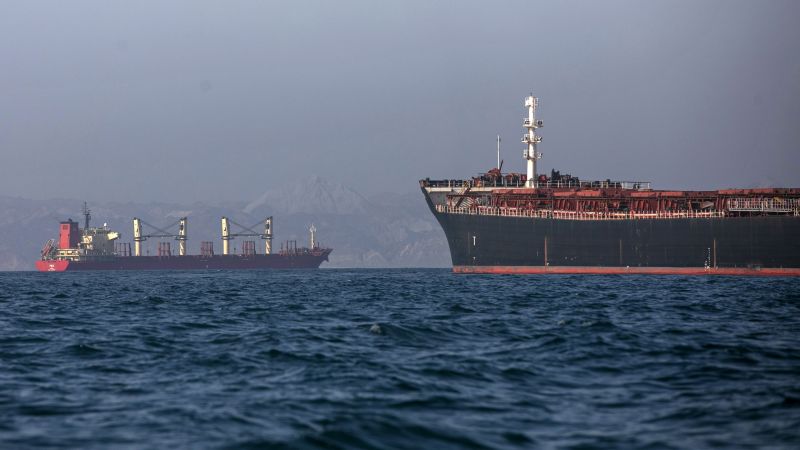
Table of Contents
The Silence of the Situation Room
President Donald Trump emerged from the White House Situation Room on Friday afternoon without the definitive announcement the markets and diplomatic circles were expecting. The meeting, described by aides as a deliberation on a “final determination,” centered on a tentative agreement intended to stabilize one of the world’s most volatile maritime chokepoints: the Strait of Hormuz.
For the administration, the stakes are not merely diplomatic but deeply economic. The Strait of Hormuz remains the world’s most important oil transit artery, and any sustained closure or escalation in the region triggers immediate volatility in global energy prices. The proposed memorandum of understanding (MoU) reportedly seeks a quid pro quo: a commitment from Iran to ensure the free flow of shipping in exchange for a structured return to nuclear negotiations.
However, the lack of an immediate proclamation upon exiting the meeting suggests a friction point in the deal’s architecture. Whether the sticking point is the specific verification mechanisms for nuclear monitoring or the timeline for sanctions relief remains unclear, but the “final determination” Trump teased prior to the session has yet to materialize into a signed directive.
The Tehran Bottleneck
While Washington deliberates in the Situation Room, the center of gravity for the deal’s viability rests in Tehran. A spokesperson for Iran’s Foreign Ministry confirmed Friday that the memorandum of understanding has not yet been finalized. In the Iranian political ecosystem, the Foreign Ministry serves as the negotiating arm, but the ultimate authority lies with the Office of the Supreme Leader.
There has been no official word that Supreme Leader Mojtaba Khamenei has granted his approval. This internal delay is a familiar pattern in Iranian diplomacy, where the “revolutionary” guard often balances the pragmatic needs of the Foreign Ministry against ideological rigidity. Without the Supreme Leader’s seal, any agreement reached by diplomats remains a draft, leaving the U.S. in a precarious position of offering concessions that may never be reciprocated.
Collateral Volatility in Lebanon
The geopolitical tension isn’t confined to the Persian Gulf. As the U.S. and Iran dance around a nuclear framework, the regional spillover is manifesting violently in Lebanon. Data released Friday by the UN children’s agency paints a grim picture of the human cost, noting that Israel’s recent offensive has resulted in an average of 11 children killed or injured per day over the last week.
Beyond the humanitarian crisis, the conflict is encroaching on cultural heritage. Reports indicate that strikes have targeted regions of immense biblical and archaeological significance. This intersection of modern warfare and ancient history adds another layer of instability to a region already struggling to maintain a fragile peace.
The Strategic Calculus of Nuclear Monitoring
If the tentative agreement moves forward, the focus will inevitably shift from diplomatic handshakes to technical verification. The core of any nuclear deal hinges on the capability of the International Atomic Energy Agency (IAEA) to monitor centrifuge activity and uranium enrichment levels. The tension here is a technological one: how to provide the U.S. and its allies with “trust but verify” transparency without compromising Iran’s national security infrastructure.
The proposed deal likely involves a tiered approach—incremental steps in maritime security for incremental steps in nuclear transparency. By prioritizing the Strait of Hormuz, the Trump administration is attempting to decouple immediate economic security (oil flow) from the more complex, long-term challenge of nuclear non-proliferation. It is a high-risk gamble on compartmentalization in a region where every action is inextricably linked.


