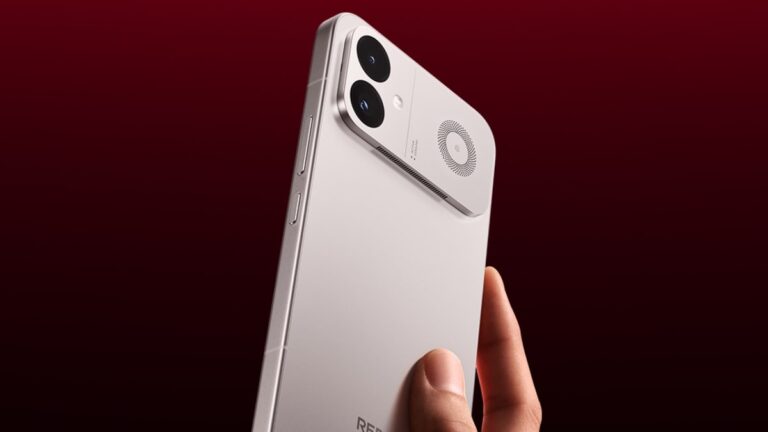
Oppo Pad 6 Debuts in China: A High-Battery Play for the Android Tablet Market
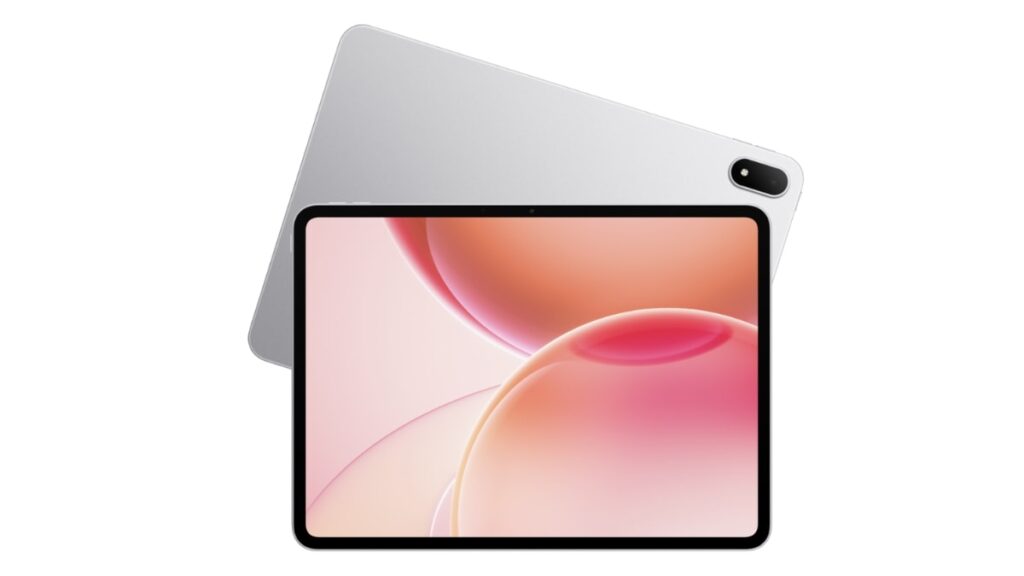
Table of Contents
Oppo’s Newest Tablet Play
Oppo has officially unveiled the Pad 6 in China, marking a significant hardware bump over its predecessor. While the tablet market has largely stagnated into two camps—the high-end iPad Pro and the budget-tier Android slabs—Oppo is attempting to carve out a middle ground by prioritizing endurance and raw processing power.
The centerpiece of the Pad 6 is the MediaTek Dimensity 9500s SoC. By opting for this specific silicon, Oppo is leaning into a high-efficiency architecture that aims to balance the heavy demands of multitasking with the thermal constraints of a slim chassis. This isn’t just about benchmark scores; it’s a strategic move to ensure the device can handle the new AI-driven features baked into ColorOS 16, which is based on the latest Android 16 build.
Display and the ‘Soft Light’ Alternative
The device sports a 12.1-inch LCD panel, which might seem modest compared to the OLEDs found in Samsung’s flagship Tabs, but Oppo has equipped it with a 144Hz adaptive refresh rate. This allows the screen to scale its fluidity based on the content, preserving battery life during static reading and ramping up for high-frame-rate gaming.
Interestingly, Oppo is continuing its push for the “Soft Light” edition. This matte-finish display variant is designed to reduce glare and mimic the feel of paper, targeting digital artists and professionals who spend hours staring at the screen. The Soft Light version carries a premium, reflecting a growing trend where manufacturers are diversifying screen technologies to appeal to niche productivity users rather than just media consumers.
The Battery Advantage
The most striking specification is the 10,420mAh battery. In an era where tablets often struggle to last a full workday under heavy load, this capacity puts the Pad 6 in a strong position. When paired with the power-efficient Dimensity 9500s, the device is positioned as a marathon runner, potentially appealing to students and remote workers who don’t want to carry a charger everywhere.
However, the camera setup remains a secondary priority. With an 8-megapixel rear camera, Oppo is acknowledging the reality that tablets are rarely used for serious photography, focusing instead on the internals and the display experience.
Pricing and Market Positioning
Oppo has introduced a tiered pricing structure that reflects the different memory configurations available. The entry-level model (8GB RAM / 256GB storage) starts at CNY 3,499 (approximately $480 USD). For those requiring more headroom for intensive apps or local file storage, the 12GB and 16GB RAM variants climb up to CNY 4,299 (approximately $590 USD).
| Variant | RAM/Storage | Price (CNY) | Approx. USD |
|---|---|---|---|
| Base Model | 8GB / 256GB | 3,499 | $480 |
| Mid-Tier | 12GB / 512GB | 3,899 | $535 |
| High-End | 16GB / 512GB | 4,299 | $590 |
The tablet is launching in two distinct aesthetics: Deep Space Gray and Galaxy Silver. While currently limited to the Chinese market, the specifications suggest that Oppo is prepping a global version that could challenge the dominance of the Xiaomi Pad series and Samsung’s mid-range offerings in the coming months.