Xiaomi Doubles Down on Leica Partnership with 17T Series Launch
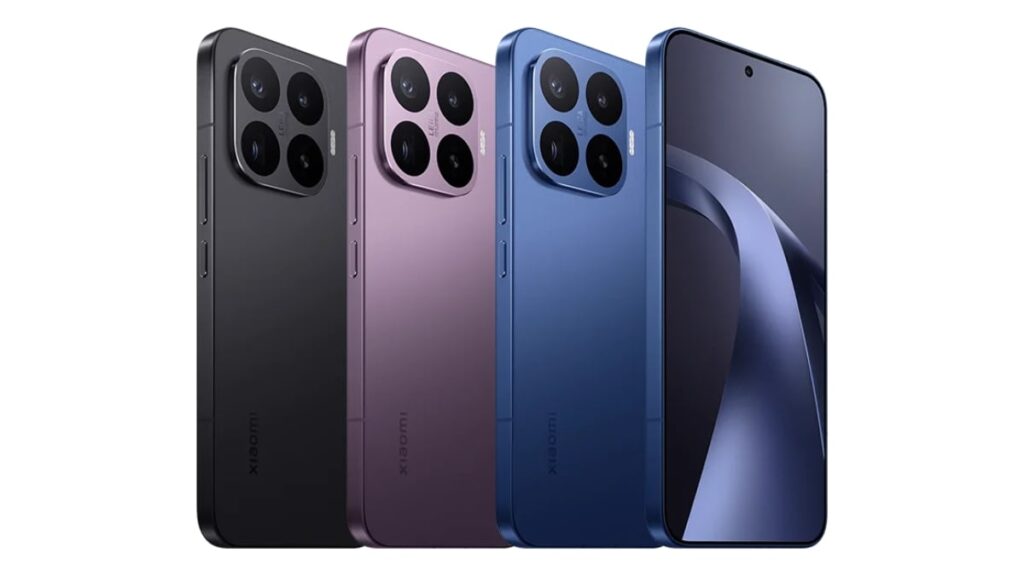
Table of Contents
A Strategic Pivot Toward High-Res Efficiency
Xiaomi has officially expanded its global portfolio with the debut of the 17T and 17T Pro. While the T-series has historically positioned itself as the ‘value-flagship’ alternative to the main numbered series, the 17T lineup suggests a shift toward higher baseline specifications, particularly in display density and processing power.
The most immediate upgrade is the move to 1.5K AMOLED screens across both models. By opting for a 1.5K resolution rather than a traditional 1080p or a full 1440p panel, Xiaomi is attempting to hit a sweet spot between visual sharpness and battery longevity—a move that mirrors trends seen in recent flagship releases from competitors like Realme and OnePlus.
Silicon Split: Dimensity 8500 vs. 9500
Under the hood, Xiaomi has leaned heavily into its partnership with MediaTek. The standard Xiaomi 17T is powered by the Dimensity 8500-Ultra SoC, designed for efficiency and consistent performance in mid-to-high range tasks. However, the 17T Pro targets the enthusiast market, sporting the Dimensity 9500 chip. This latest silicon is engineered to handle heavy multitasking and gaming, positioning the Pro model as a viable competitor to Snapdragon-based flagships.
Both devices ship with the latest HyperOS 3, built on the Android 16 framework. The transition to HyperOS 3 signals Xiaomi’s continued push toward a more cohesive ecosystem, aiming to unify the user experience across its smartphones, tablets, and IoT devices.
The Leica Influence
The centerpiece of the 17T series remains the Leica-tuned triple rear camera system. Xiaomi continues to leverage the German optics giant’s expertise to move beyond raw megapixel counts, focusing instead on color science and contrast. The partnership is evident in the specialized Leica photographic styles integrated into the software, allowing users to toggle between authentic, high-contrast looks and more natural renderings.
While the technical specifications for the sensors are similar across the line, the Pro model typically offers superior image processing and potentially faster autofocus capabilities, leveraging the extra headroom provided by the Dimensity 9500.
Pricing and Market Positioning
The pricing strategy for the 17T series reflects its position as a premium offering that still undercuts the absolute top-tier flagships. In European markets, the standard 17T starts at EUR 749 for the 12GB RAM and 256GB storage configuration, with a 512GB variant available for EUR 799. This model is available in Black, Blue, Opal White, and Violet.
The Xiaomi 17T Pro commands a higher premium, starting at EUR 899 for the 12GB + 512GB model. For power users, Xiaomi is offering a massive 1TB storage variant priced at EUR 1,099, a rarity in the T-series but a necessity for those filming in high-bitrate 4K or 8K. The Pro is available in Deep Blue, Deep Violet, and Black.
By offering such a wide range of storage tiers and a potent chip in the Pro model, Xiaomi is clearly attempting to capture a larger share of the European market, challenging the dominance of the Samsung Galaxy A-series and Google’s Pixel ‘a’ line by offering more raw power and a more prestigious camera partnership.