Halide Mark III pivots toward film simulation and post-processing in major overhaul
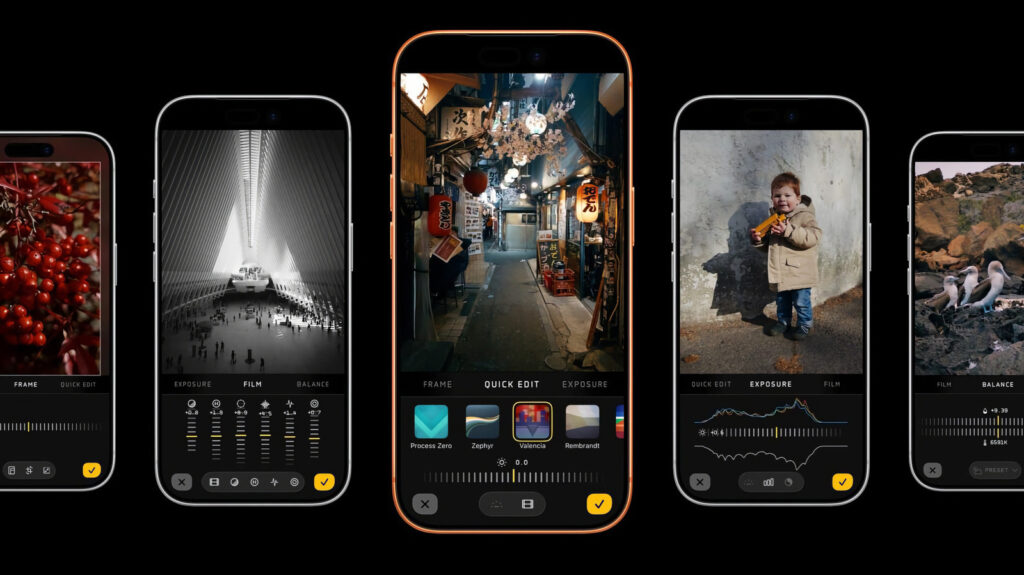
Table of Contents
A new direction for the iPhone’s power-user camera
For years, Halide has positioned itself as the antithesis of the ‘black box’ approach to smartphone photography. While Apple’s native camera app relies heavily on aggressive computational processing—often smoothing textures and artificially boosting HDR—Halide has focused on giving photographers manual control. With the launch of Halide Mark III, Lux Optics is expanding that philosophy, moving beyond the capture process to integrate a comprehensive post-processing suite and a dedicated film simulation engine.
The centerpiece of this update is the introduction of ‘Looks,’ a system designed to mimic the chemical characteristics of analog film. Rather than applying simple overlays, Mark III introduces a simulation engine that integrates grain and halation directly into the image pipeline. This is a logical evolution for the developer; after the release of Mark II in 2024, which gave users a way to circumvent Apple’s standard image processing, Lux Optics is now attempting to replace those algorithms with their own curated aesthetic choices.
The ‘Looks’ Library: Beyond Basic Filters
The film simulation engine debuts with five distinct profiles, each targeting specific photographic scenarios. Unlike the generic filters found in Instagram or the native iOS Photos app, these are designed to handle light and contrast in ways that mirror traditional stocks.
- Valencia: Engineered for urban environments and landscapes, emphasizing deep saturation and stark color separation.
- Rembrandt: A portrait-centric profile focusing on mid-tone contrast and richer low-end colors to better define facial structure.
- Nova: A high-vibrancy option for nature photography, characterized by smooth, peachy highlights.
- Zephyr: A restrained, subtle look designed to emulate the matte quality of a traditional physical print.
- Chroma Noir: A monochrome profile that balances medium contrast with an intentional injection of grain for a cinematic feel.
Crucially, these looks maintain HDR support, allowing users to keep highlight and shadow detail even while applying heavy aesthetic shifts. For those who prefer a completely sterile image, the ‘Process Zero’ option remains, providing the rawest possible output the hardware can produce.
Introducing Photo Lab
To manage these simulations, Lux Optics has integrated the ‘Photo Lab’ editor. The goal here is to avoid the clutter of traditional mobile editors. The interface is split between a ‘Quick Edit’ tab—ideal for rapid switching between film stocks—and more granular controls for exposure and color balance.
While the app is designed for the iPhone, the iPad version of Mark III is where the editor truly shines. The larger canvas allows for a two-panel layout, enabling users to tweak parameters on one side while seeing the high-resolution result on the other, bridging the gap between a mobile app and a lightweight version of Lightroom.
UI Refinements and Corporate Turbulence
From a usability standpoint, Halide Mark III adopts several ‘Liquid Glass’ design elements, echoing Apple’s current design language while prioritizing efficiency. The lens picker, aspect ratio toggles, and focus controls are now more prominent, reducing the need to dive into nested menus during a shoot.
However, the launch of Mark III arrives amidst significant internal volatility at Lux Optics. This is the first major release since co-founder Sebastiaan de With departed the company in January 2026 to join Apple. The transition has been fraught with tension; reports indicate that de With’s exit followed an internal investigation by co-founder Ben Sandofsky regarding the alleged misuse of company funds. This follows a previous, unsuccessful attempt by Apple to acquire Lux Optics entirely.
Pricing and Availability
Halide Mark III maintains its premium pricing structure. New users can enter via a monthly subscription at $10, a yearly plan for $20, or a one-time lifetime purchase of $60. In a move to reward long-term supporters, the update is free for existing subscribers and anyone who previously purchased Halide Mark II.