Samsung Partners With Massachusetts General Hospital to Tackle GLP-1 Muscle Loss via Galaxy Watch
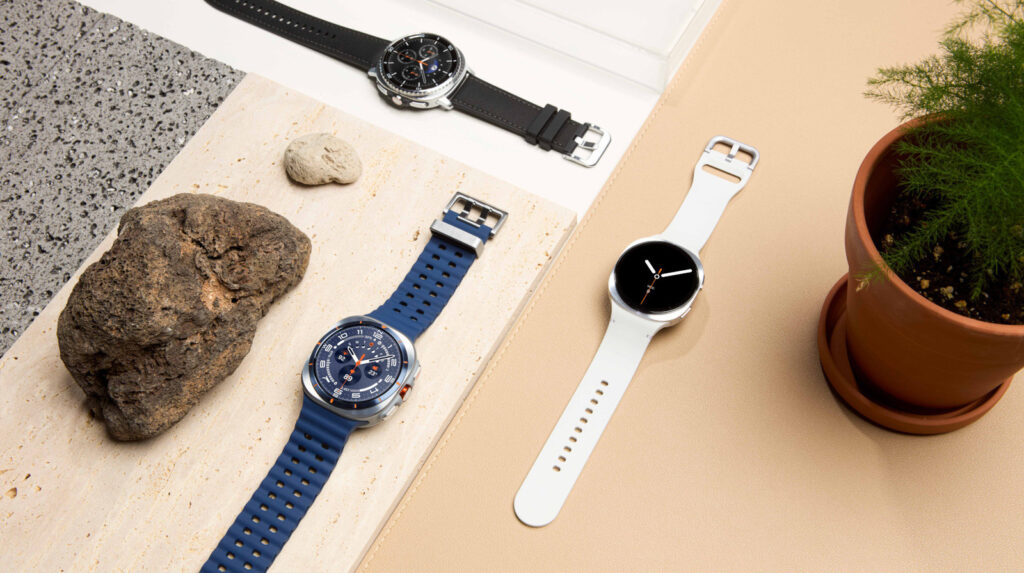
Table of Contents
The Lean Mass Dilemma
The meteoric rise of GLP-1 receptor agonists—the class of drugs including Ozempic and Wegovy—has fundamentally changed the approach to obesity and Type 2 diabetes management. However, the rapid weight loss these drugs trigger often comes with a hidden cost: the loss of lean muscle mass. To address this, Samsung is collaborating with the Massachusetts General Hospital (MGH) Diabetes Research Center to determine if wearable technology can mitigate this side effect in real-time.
The study focuses on the Galaxy Watch ecosystem, utilizing the device’s onboard sensors to track biometric shifts that typically go unnoticed until a patient visits a clinic for a formal scan. The goal is to move from episodic clinical check-ups to continuous, data-driven monitoring that can alert users and clinicians when muscle wasting begins to outpace fat loss.
The Clinical Risk of ‘Skinny Fat’
Medical professionals are increasingly concerned that the weight loss associated with GLP-1s isn’t always high-quality loss. According to Dr. David N. Brennan of the Mayo Clinic, upwards of 30 percent of the weight lost on these medications can be muscle. This phenomenon is more than a cosmetic concern; muscle mass is a primary driver of basal metabolic rate and a critical component of cardiovascular health.
Research from the University of Virginia underscores the severity of this trend, noting that the loss of axial muscle—the muscles supporting the core and posture—can lead to diminished physical function and an increased risk of long-term cardiovascular disease. There is also the looming threat of the ‘rebound effect,’ where patients who lose significant muscle mass find it nearly impossible to maintain their weight loss once the medication is discontinued because their metabolism has slowed significantly.
How the Samsung Study Works
Led by Dr. Melissa Putman of the MGH Diabetes Research Center, the study will track 100 adults who are just beginning their GLP-1 treatment. The cohort will be split into two distinct groups to isolate the impact of wearable intervention:
- The Active Group: Participants will use the Galaxy Watch to monitor body composition via Bioelectrical Impedance Analysis (BIA). They will track activity levels and heart rate, while receiving personalized exercise guidance designed specifically to preserve lean muscle.
- The Control Group: These participants will receive the standard medical guidance typically provided to GLP-1 patients without the aid of continuous wearable monitoring.
To ensure the data is accurate, researchers aren’t relying solely on the watch. They are using clinical-grade Dual-energy X-ray Absorptiometry (DXA) scans—the gold standard for measuring bone density and body composition—to verify the BIA readings from the Galaxy Watch. This allows the team to see if the wearable’s data is precise enough to trigger medical interventions.
A Shift Toward ‘Holistic’ Digital Health
“We’re interested in exploring how continuous data from a wearable device can provide invaluable insights,” Dr. Putman stated, noting that this approach gives clinicians a more holistic view of a patient’s journey, allowing for timely adjustments to care plans before muscle loss becomes critical.
This initiative is part of a broader strategic pivot by Samsung to transition its wearables from simple fitness trackers to legitimate medical tools. The company has established a pattern of academic partnerships to validate its health claims. Last year, Samsung worked with Stanford University to refine its sleep apnea detection features, and more recently collaborated with Chung-Ang University Gwangmyeong Hospital in Korea to develop high-accuracy fainting prediction models.
By integrating GLP-1 management into the Samsung Health ecosystem, the company is targeting a massive and growing demographic. With a KFF poll indicating that nearly one in five U.S. adults has used a GLP-1 drug, the intersection of pharmacy and wearables is becoming a primary battleground for the next generation of health tech.


