Israeli Military Expands Strike Zone to Tyre as Drone Warfare Intensifies in Southern Lebanon
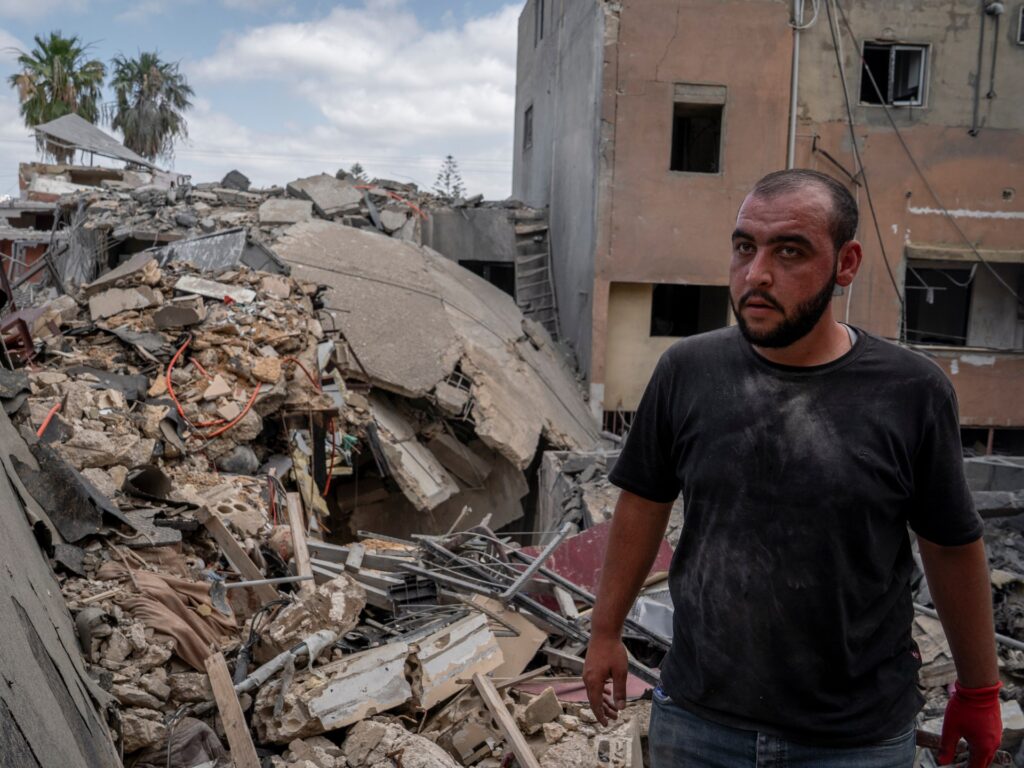
Table of Contents
Tactical Shifts in the South
The conflict between Israel and Hezbollah has entered a more aggressive phase with the Israeli Defense Forces (IDF) initiating bombing campaigns in and around the coastal city of Tyre. The escalation follows a stringent forced displacement order that designates all areas south of the Zahrani River—roughly 40 kilometers north of the border—as active combat zones.
The operation marks a significant shift in the geographic scope of the conflict. By targeting Tyre, one of Lebanon’s largest urban centers, the IDF is moving beyond the immediate border skirmishes into deeper strategic hubs. According to a statement issued Wednesday, the strikes specifically targeted Hezbollah headquarters, though the exact coordinates remain classified. The precision of these strikes is being supported by a sophisticated intelligence network and real-time aerial surveillance.
The Drone Front and Electronic Warfare
As the ground war intensifies, the air war has become a battle of attrition between automated systems. The IDF confirmed the detection and neutralization of several explosive drones attempting to penetrate northern Israeli airspace. These unmanned aerial vehicles (UAVs) are part of Hezbollah’s evolving tactical arsenal, designed to bypass traditional radar and strike high-value targets with precision.
On the opposing side, Hezbollah reports a focused effort to degrade Israel’s technological edge. In recent engagements near Zawtar al-Sharqiyah, the group claims to have targeted Merkava tanks and critical communication systems. Most notably, Hezbollah claims to have successfully targeted an Iron Dome platform—the cornerstone of Israel’s missile defense architecture. While the IDF has not confirmed the loss of a battery, the attempt highlights a strategic shift toward targeting the sensors and interceptors that protect Israeli population centers.
Asymmetric Engagement in Zawtar al-Sharqiyah
The fighting in Zawtar al-Sharqiyah, located just beyond the ‘Yellow Line,’ illustrates the current nature of the conflict: a mix of point-blank infantry clashes and high-tech remote warfare. Hezbollah reported the use of quadcopters and artillery to blunt an Israeli military advance, while the IDF continues to rely on a combination of heavy armor and air support to establish what Prime Minister Benjamin Netanyahu describes as a “fortified security zone.”
Broader Strategic Implications
The humanitarian cost has scaled alongside the technical escalation. The Lebanese Ministry of Public Health reports that since the escalation began on March 2, over 3,213 people have been killed. The current wave of displacement orders, which now include the city of Nabatieh and dozens of southern villages, suggests a broader Israeli strategy to clear civilian populations from areas where high-intensity electronic warfare and kinetic strikes are expected.
The conflict remains deeply intertwined with the broader regional war involving Iran. Hezbollah’s operations are framed as retaliation for the death of Iranian Supreme Leader Ali Khamenei on February 28, and as a response to the failure of previous ceasefire agreements from November 2024 and April 2026. As both sides deploy more advanced autonomous systems and precision-guided munitions, the risk of a systemic failure in ceasefire diplomacy increases, potentially drawing in further regional actors.


