FAA Grounds Starship Following V3 Booster Failure in Gulf of Mexico
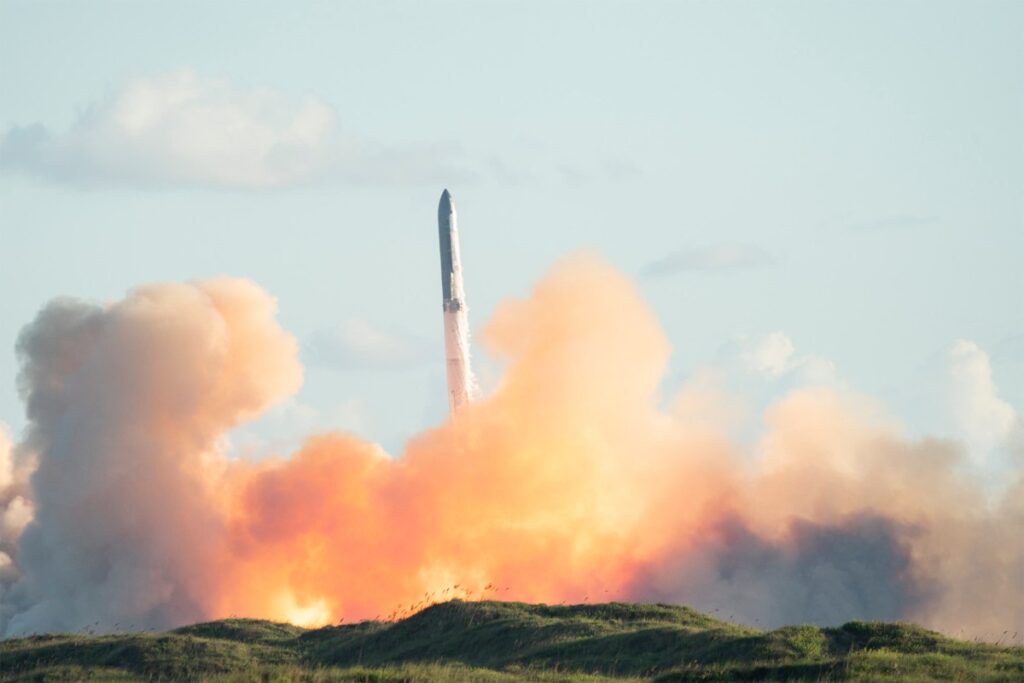
Table of Contents
A Regulatory Speedbump for the V3 Iteration
The Federal Aviation Administration (FAA) has formally ordered SpaceX to conduct a mishap investigation after the Super Heavy booster failed during the May 22 test flight of Starship. In a statement provided to reporters, the agency confirmed that while there were no reports of public injury or property damage, the failure of the booster during its return trajectory to the Gulf of Mexico necessitates a full regulatory review.
This move effectively freezes SpaceX’s launch cadence for the Starship program. Under FAA safety protocols, the company cannot proceed with further test flights until the investigation is completed, the findings are submitted, and the agency approves any necessary corrective actions. For Elon Musk’s aerospace venture, this timing is particularly inconvenient, coinciding with the company’s anticipated mid-June IPO window.
The Anatomy of the Flight 12 Failure
Flight 12 was intended to be a pivotal demonstration of the “V3” architecture—a significant overhaul designed to increase the reliability and payload capacity of the world’s most powerful rocket. The vehicle successfully navigated the point of maximum dynamic pressure and reached space, where the Starship spacecraft separated from the Super Heavy booster as planned.
The crisis emerged during the booster’s descent. As the Super Heavy attempted the sustained burn required to propel it back toward the Texas coast for a simulated water landing, the vehicle suffered an apparent engine failure. Telemetry suggests a series of Raptor engine malfunctions that left the booster unable to maintain stability, resulting in a tumble and a high-velocity impact with the ocean surface.
The instability wasn’t limited to the booster. The Starship upper stage also experienced a partial failure when one of its six Raptor engines went offline. This technical glitch forced SpaceX to abandon a key mission goal: performing a second sustained burn while in orbit.
High Stakes for Starlink and Reusability
The V3 updates were more than just iterative tweaks; they included a redesigned booster frame and the debut of third-generation Raptor engines. The goal is to move Starship from an experimental prototype to a reliable workhorse similar to the Falcon 9. However, the transition is proving volatile.
The urgency of solving these failures is tied directly to SpaceX’s balance sheet. As detailed in recent financial filings, the company’s long-term growth is heavily dependent on Starship’s ability to launch massive constellations of Starlink satellites. Starlink is currently SpaceX’s primary revenue driver and its only consistently profitable business segment. Without a fully reusable and reliable Starship, the cost of scaling the satellite network remains a significant bottleneck.
The Competitive Landscape: Blue Origin’s Gain?
While SpaceX navigates the FAA’s bureaucracy, its primary rival, Blue Origin, appears to be gaining some regulatory momentum. The FAA recently cleared Blue Origin’s New Glenn rocket to return to flight after its own series of mishap investigations. Jeff Bezos’s company is now expected to attempt its fourth New Glenn launch within the next month.
This divergence in timing underscores the high-risk, high-reward nature of the current heavy-lift space race. While SpaceX continues to “fail fast” and iterate in public, the regulatory oversight of the FAA ensures that each failure—regardless of whether it occurs over open water—must be meticulously documented before the next attempt can fly.


