Xiaomi Shifts Strategy: 17T to Debut in India With Dimensity 8500 Ultra and Massive 6,500mAh Battery
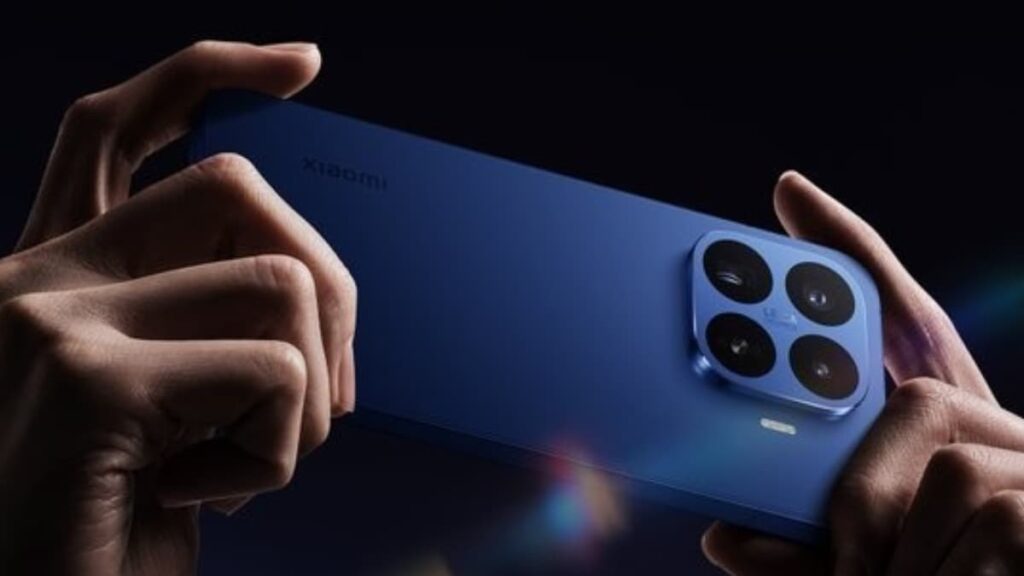
Table of Contents
A Strategic Pivot in Silicon
Xiaomi is preparing to shake up its mid-to-premium segment in India with the upcoming launch of the Xiaomi 17T. While the global rollout for the 17T series begins this Thursday, the Indian market will see a slightly staggered release, with the standard model expected to debut early next month. The move signals a clear tactical shift in hardware procurement for the T-series, which has historically flirted with both Qualcomm and MediaTek.
The most striking detail emerging from Xiaomi’s newly updated Indian microsite is the processor choice. Contrary to the flagship Xiaomi 17 lineup, which leverages the cutting-edge 3nm Snapdragon 8 Elite Gen 5, the 17T is doubling down on MediaTek. The device will be powered by the Dimensity 8500 Ultra, an octa-core SoC designed to balance high-performance gaming and AI efficiency without the premium cost associated with Qualcomm’s top-tier silicon.
This chipset choice isn’t an experiment; it’s a proven play. The Dimensity 8500 Ultra also anchors the Redmi Turbo 5, a device Xiaomi is also planning to bring to India shortly. By aligning the 17T with the Turbo 5’s architecture, Xiaomi is likely streamlining its supply chain and optimizing software stability across two different product tiers using the same silicon foundation.
The Push Toward Silicon Carbon
While the chipset targets efficiency, the battery is where Xiaomi is attempting to carve out a competitive edge. The 17T is confirmed to feature a 6,500mAh battery, a figure that pushes the device well beyond the industry-standard 5,000mAh ceiling. More interesting than the capacity, however, is the chemistry: Xiaomi is utilizing silicon carbon technology.
Silicon carbon anodes allow for significantly higher energy density compared to traditional graphite anodes. In practical terms, this means Xiaomi can fit a massive 6,500mAh cell into a chassis that doesn’t feel like a brick, avoiding the bulk typically associated with ‘mega-batteries.’ To keep this cell topped up, the device supports 67W wired fast charging via USB Type-C, a respectable speed that ensures the larger capacity doesn’t lead to frustratingly long downtime.
Display and Eye Health Focus
Beyond the internals, the 17T’s display is being positioned as a health-centric piece of hardware. The microsite highlights a suite of TUV Rheinland certifications, including Low Blue Light, Flicker Free, and Circadian Friendly labels. The addition of ‘Intelligent Eye Care’ suggests a dynamic adjustment system that modulates color temperature and brightness based on ambient light and usage patterns to reduce digital eye strain.
Visually, the 17T sticks to the modern industry standard with a hole-punch cutout for the front-facing camera, maximizing the screen-to-body ratio. While the specific panel type (AMOLED vs. LCD) and refresh rate aren’t explicitly detailed on the landing page, the T-series typically reserves high-refresh-rate AMOLED panels for these releases to maintain its ‘premium-yet-accessible’ branding.
For Indian consumers, the 17T represents a calculated trade-off. By swapping the Snapdragon 8 Elite for the Dimensity 8500 Ultra, Xiaomi is likely aiming for a more aggressive price point while offering a battery life that could realistically span two to three days of moderate use—a value proposition that often resonates more with the Indian demographic than raw benchmark scores.