The HBM Squeeze: How AI Data Centers are Driving Up the Cost of Your Next Laptop
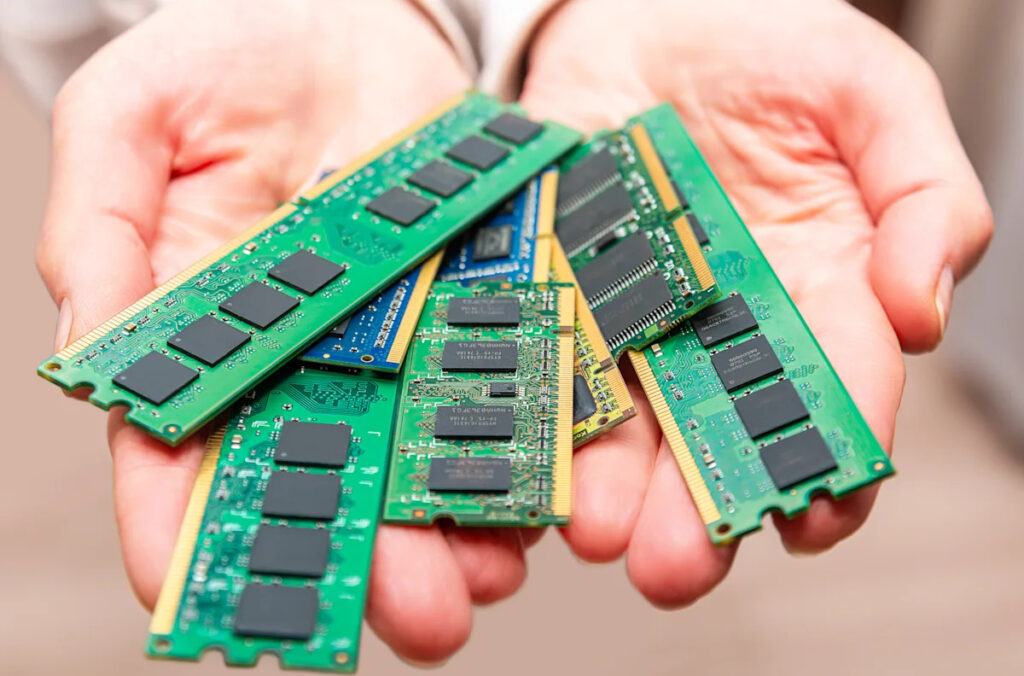
Table of Contents
The High Cost of Intelligence
If your recent search for a new laptop, gaming handheld, or SSD felt unexpectedly expensive, you aren’t imagining a pricing glitch. A systemic shift in the semiconductor supply chain—driven by the breakneck expansion of generative AI—is effectively taxing the average consumer to fuel the growth of large language models (LLMs).</n
Industry analysts have dubbed this phenomenon “RAMmageddon.” While the term sounds hyperbolic, the economic reality is stark: the massive compute requirements of companies like OpenAI, Anthropic, and Google are cannibalizing the production capacity of the world’s memory chips, leaving consumer electronics in a supply vacuum.
The Pivot to High Bandwidth Memory
At the heart of the crisis is a shift in how the “Big Three” memory manufacturers—Samsung, SK Hynix, and Micron—allocate their silicon wafers. To power AI accelerators like Nvidia’s H100 and B200 GPUs, these firms require High Bandwidth Memory (HBM). HBM is a specialized, vertically stacked DRAM that offers the extreme speeds necessary for AI training, but it is significantly more complex and resource-intensive to manufacture than the standard DDR4 or DDR5 RAM found in a Dell XPS or a PlayStation 5.</n
Because HBM commands massive profit margins compared to commodity consumer RAM, manufacturers are aggressively pivoting their production lines. When a wafer is used to create high-margin HBM for a data center, it cannot be used to create the affordable sticks of RAM that keep laptop prices stable. This isn’t just a temporary bottleneck; it is a strategic reallocation of resources. In a telling move, Micron has drastically shifted its focus away from its Crucial consumer-facing brand to prioritize enterprise-grade AI silicon.
Collateral Damage Across the Ecosystem
The ripple effects are appearing across nearly every hardware category. PC manufacturers including Lenovo and Framework have noted that memory shortages are directly impacting SKU pricing. The gaming sector has felt it most acutely; Sony and Microsoft have adjusted console pricing, while Valve has struggled with Steam Deck inventory, and Meta raised the cost of Quest headsets in April, explicitly citing the memory crunch.
Even the mobile market isn’t immune. While Apple has managed to weather the storm more effectively due to its immense purchasing leverage and vertical integration, other Android OEMs are feeling the squeeze. The Google Pixel 10a, for instance, has seen minimal hardware upgrades despite maintaining a steady price point—a sign that manufacturers are cutting corners on specs to avoid hiking retail prices further.
Beyond RAM: The NAND Flash Problem
The crisis isn’t limited to volatile memory. A similar pattern is emerging with NAND flash—the technology powering SSDs and microSD cards. AI firms are gobbling up enterprise SSDs to store the colossal datasets required for model training. After a period of intentional production cuts a few years ago to correct oversupply, the market has swung too far in the other direction. This has created a “perfect storm” where high-margin enterprise storage is prioritized over the budget SSDs used in consumer PCs.
An Extended Timeline for Recovery
For those hoping for a price drop in 2025, the outlook is grim. The industry is not seeing a temporary spike, but a long-term structural shift. Samsung executive Kim Jaejune indicated in April that the supply-to-demand gap is expected to worsen next year, with shortages potentially persisting through 2027.
Other industry leaders are even more pessimistic. SK Group chairman Chey Tae-won has suggested that the imbalance could stretch into 2030, depending on the rate of AI adoption. Until the industry develops a way to produce HBM without sacrificing commodity DRAM capacity, consumers should expect higher entry prices for hardware and a gradual disappearance of “budget” high-spec models.