Ferrari’s First EV Arrives: The Luce is a Polarizing Bet on Jony Ive and Aero-Efficiency
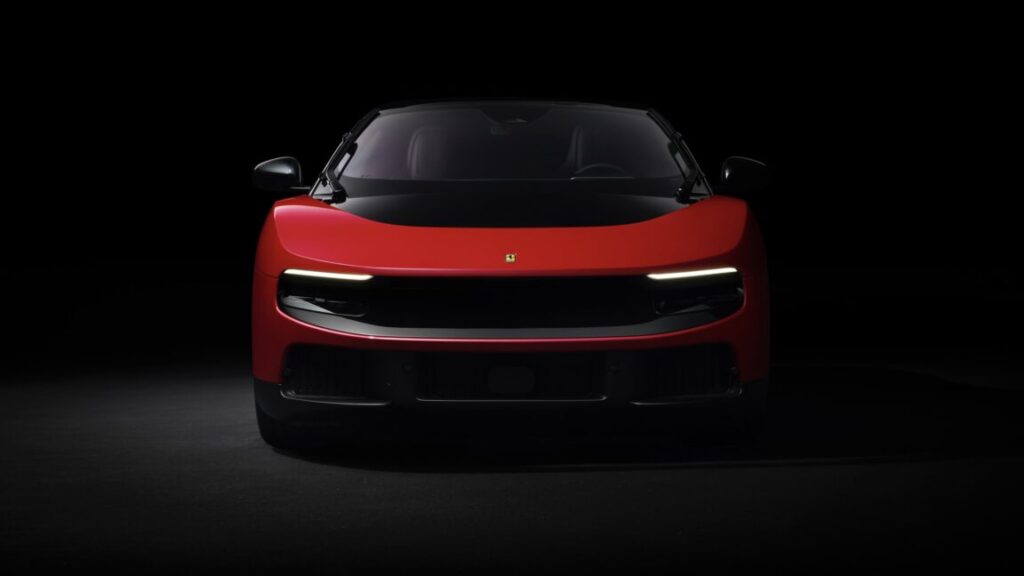
Table of Contents
A Departure from the Prancing Horse Tradition
For decades, the Ferrari brand has been synonymous with high-revving V12 engines and two-seat silhouettes. The arrival of the Luce, however, represents a fundamental shift in the marque’s DNA. Not only is the Luce Ferrari’s first-ever battery-electric vehicle (BEV), but it also marks the company’s venture into the four-door, five-seater sedan market.
The transition is a strategic necessity. With tightening emissions regulations and a shifting luxury consumer base in key markets like Silicon Valley and China, Ferrari can no longer rely solely on internal combustion. The Luce is the answer to that pressure—though it arrives with a design that is likely to divide the enthusiast community.
The LoveFrom Influence
In a move reminiscent of the coach-building collaborations of Ferrari’s early years, Maranello partnered with LoveFrom, the design firm led by former Apple chief designer Jony Ive and Marc Newson. The result is an aesthetic that feels more ‘Cupertino’ than ‘Maranello.’ The car features a cab-forward glasshouse and a minimalist exterior that some observers have noted looks more suited to a tech company’s logo than the traditional prancing horse.
There are, however, nods to the past. The four round tail lights are a clear homage to the 1990s-era 360 and 550 models. While the design may feel jarring in photographs, the ‘in-metal’ presence is more convincing, suggesting that the Luce is attempting to carve out a new visual language for the electric era rather than mimicking a gas-powered sedan.
Engineering the ‘Lowest-Drag’ Ferrari
The Luce’s unconventional shape isn’t just an artistic choice; it is the result of an exhaustive seven-year aerodynamic study that predated the official greenlighting of the BEV program. Ferrari’s goal was to achieve the lowest drag coefficient in the company’s history without compromising the downforce required for high-speed stability.
The engineering effort was massive, involving 6,000 computational fluid dynamics (CFD) simulations and over 300 hours of wind tunnel testing. The bodywork utilizes a diving hood that funnels air over the roof and toward a rear deck wing. A complex system of active air vents manages cooling and airflow, shifting configurations based on whether the driver prioritizes maximum efficiency or raw performance.
While official range figures are still pending, Ferrari is targeting approximately 330 miles (530 km) under Europe’s WLTP standards. To achieve this, the car offers specialized aerodisc wheels machined from single pieces of aluminum, designed to eliminate the range-sapping turbulence typically caused by traditional five-spoke wheels.
A New Benchmark for Interiors
If the exterior of the Luce is a point of contention, the interior is an undisputed triumph. The cabin avoids the industry trend of ‘screen-everything,’ instead opting for a tactile, machined aesthetic that could set the standard for all future Ferraris.
The dashboard is crafted from a single piece of brushed aluminum, eschewing the unnecessary passenger-side screens common in luxury EVs. The steering wheel, door handles, and circular air vents—which are valved like an exhaust—all share this high-end metallic finish. One of the most innovative features is the instrument binnacle, which is fixed to the steering column and rotates with the wheel. This unit consists of dual OLED displays; the primary speedometer remains an analog physical needle, bridging the gap between digital precision and classic horology.
The central infotainment system is mounted on a pivot, providing a flexible viewing angle without the need for a second screen. Physical gorilla-glass buttons and brushed aluminum rocker switches handle climate and media controls, reducing driver distraction. Integration is seamless, with Apple CarPlay spanning the width of the display. A standout detail is the integrated clock in the upper-right corner, which can be toggled into a 60-second stopwatch or a compass via a physical button, echoing the functional elegance of high-end wearables.


