The Endurance Gap: Testing Hypershell’s New Exoskeletons in the Grand Canyon
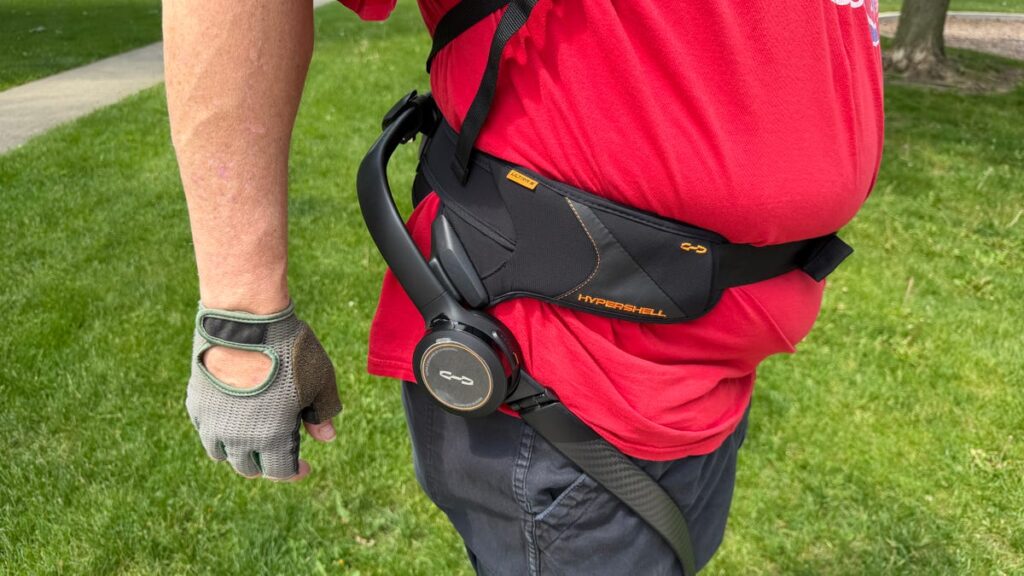
Table of Contents
Beyond the Superhero Myth
The dream of the wearable exoskeleton has long been framed by cinema: the sudden surge of superhuman strength, the ability to carry hundreds of pounds, or the complete eradication of physical fatigue. But as the Hypershell X Ultra S hits the market, the reality is proving to be more about incremental gains than transformative power.
Testing the device on the demanding trails of the Grand Canyon reveals a critical distinction in how these devices are marketed versus how they function. For a user dealing with spinal stenosis and the physical toll of a 270-pound frame, the expectation is often a ‘cure’ for mobility limitations. In practice, the X Ultra S is an endurance tool—a piece of hardware designed to extend the distance a person can travel, rather than fundamentally altering their physical capability.
Angus Fan, Hypershell’s chief product officer, acknowledges this gap. In a recent conversation, Fan noted that while high-level strength augmentation is the eventual goal, the company’s current focus is on “endurance extension.” It is a humble admission that reframes the device from a robotic suit of armor into a sophisticated power-assist for the human gait.
Hardware and Ergonomics
The Hypershell lineup launches with three distinct tiers: the high-end X Ultra S ($1,999), the X Max S ($1,499), and the X Pro S ($999). The Ultra S is constructed from a mix of carbon fiber and titanium, keeping the total weight under five pounds. This weight management is critical; any device intended to reduce fatigue cannot afford to add significant dead weight to the wearer.
The architecture consists of a waist-mounted battery pack in the small of the back, which powers two motorized arms that buckle to the thighs. While the device is adjustable, it does present some practical challenges for larger users. The official weight guidelines on Hypershell’s documentation stop at 227 pounds, creating a grey area for those who exceed that limit, though the hardware remains functional.
From a usability standpoint, the exoskeleton demands a change in attire. The thigh straps and motorized arms effectively block access to front and lower cargo pockets, necessitating the use of vests or upper-body storage. More notably, the battery pack makes sitting or leaning back—particularly in a car seat—cumbersome, as the hardware forces a rigid, upright posture.
Performance in the Field
The system operates on a 5,000-mAh battery, claiming a range of approximately 30 kilometers (18.6 miles), with a spare battery included to extend the trek. The mechanism is based on simple biomechanics: the motors provide a push-down assist and make the leg feel lighter during the lift phase of a stride.
Control is managed via a Bluetooth-connected app and a physical button on the right hip. Users can toggle between four primary modes:
- Eco: Balanced assistance for long-term trekking.
- Hyper: Maximum power output for steep inclines.
- Transparent: An idle mode that allows the wearer to move without assistance.
- Fitness: A counter-intuitive mode that provides resistance to help users train their muscles.
During a steep climb in the canyon, the “Hyper” mode provides a noticeable reduction in the perceived effort of the ascent. However, it does not replace the cardiovascular demand of hiking. The device assists the muscles, but it cannot breathe for the wearer. For those with chronic conditions like spinal stenosis, the exoskeleton may reduce the mechanical strain on the lower back, but it remains a supplement to, not a replacement for, physical mobility.