Status AI Secures $17M to Pivot Social Media from Passive Feeds to Generative Roleplay
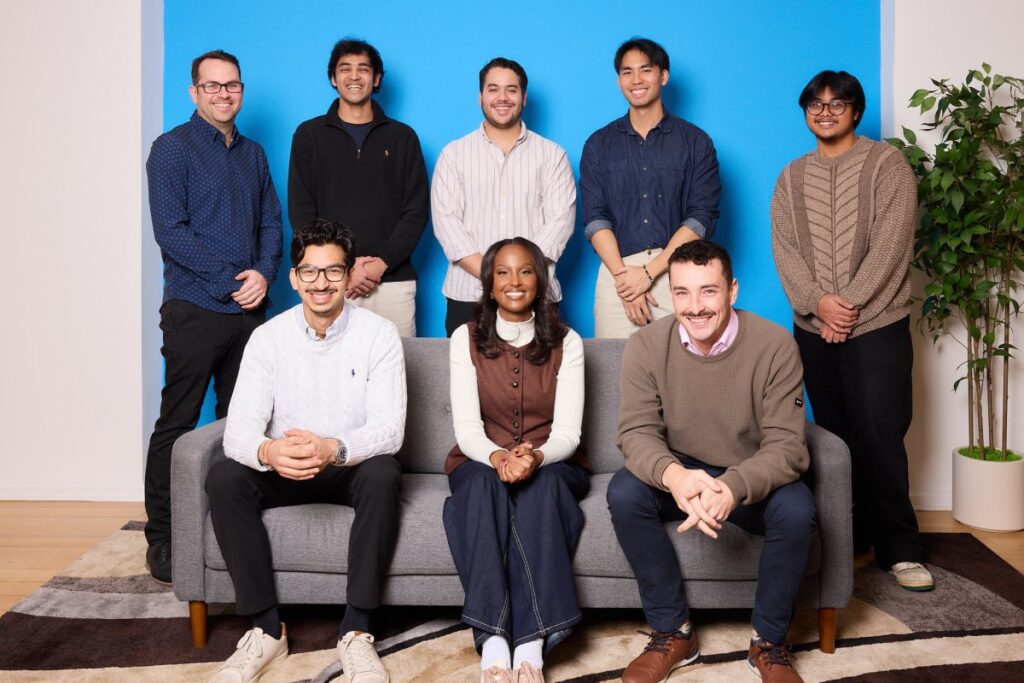
Table of Contents
Beyond the Scroll: A New Bet on Interactive Fandom
For a decade, the prevailing logic of social media has been the feed—a vertical stream of curated content designed for passive consumption. But Status AI is betting that the next generation of users is exhausted by the act of watching and is instead looking for a way to inhabit the stories they love. The company announced Tuesday it has secured $17 million in combined seed and Series A funding, signaling a strategic shift toward what it calls ‘immersive social entertainment.’
The investment round includes a heavy-hitting roster of venture firms, including General Catalyst, Union Square Ventures, Abstract, Y Combinator, and LightShed Partners. The capital injection comes at a time when the ‘chatbot’ era of AI—typified by the early success of Character.AI and Chai—is beginning to evolve into something more structurally complex: a social ecosystem where the AI doesn’t just talk back, but builds a world around the user.
Founded by Fai Nur, Amit Bhatnagar, and Pritesh Kadiwala, Status AI is less of a traditional social network and more of a generative sandbox. Rather than posting a status update or a photo, users craft personas and are dropped into dynamic environments where they can simulate celebrity lives, political campaigns, or fictional universes. These worlds are not static; they are user-generated, with narratives and character arcs evolving based on real-time player interaction.
The Architecture of Generative Worlds
At its core, Status AI leverages large language models to bridge the gap between gaming and social media. The app allows users to enter both single-player and multiplayer modes, enabling friends to coexist in the same AI-generated scenario. According to Nur, the platform is designed to move away from the ‘passive entertainment’ model, where users simply observe the lives of others.
The traction suggests a strong appetite for this hybrid approach. Status reports that over 13 million worlds have already been created, supported by more than 5 million distinct character profiles. Notably, Nur observes that the early adopter base consists predominantly of young women—a demographic that historically serves as the primary engine for cultural shifts in social platform adoption.
This shift toward ‘niche’ and ‘fandom-centric’ social spaces mirrors a broader industry trend. As generalized platforms like X (formerly Twitter) and Facebook struggle with identity and utility, there is a growing movement toward high-intimacy, high-creativity ecosystems. Natalie Dillon of Maveron has previously noted that the winners of this era will be platforms that blend utility with the feeling of a multiplayer environment where users can ‘build, buy, and belong’ simultaneously.
Bridging the Gap Between IP and Audience
The implications of Status AI extend beyond casual users and into the realm of intellectual property (IP) management. The company is already seeing interest from entertainment studios and streamers who view the platform as a new frontier for audience development. Instead of a traditional marketing campaign for a movie or series, studios could potentially create interactive worlds on Status, allowing fans to live within the IP before a project ever hits theaters or screens.
Rich Greenfield, a partner at LightShed and an investor in the round, suggests that media companies are currently desperate for mechanisms that keep consumers engaged with their characters and worlds outside of a linear viewing experience. By turning a story into a playable social environment, IP holders can transform a passive audience into active participants.
The $17 million in fresh capital is earmarked for scaling the platform’s infrastructure to handle the increasing complexity of these generated worlds. As the company moves out of its stealth phase, the challenge will be maintaining ‘brand-safe’ environments while allowing for the raw, organic creativity that drives user-generated content.