The AI Tax: How the HBM Pivot is Driving Up the Cost of Consumer Electronics
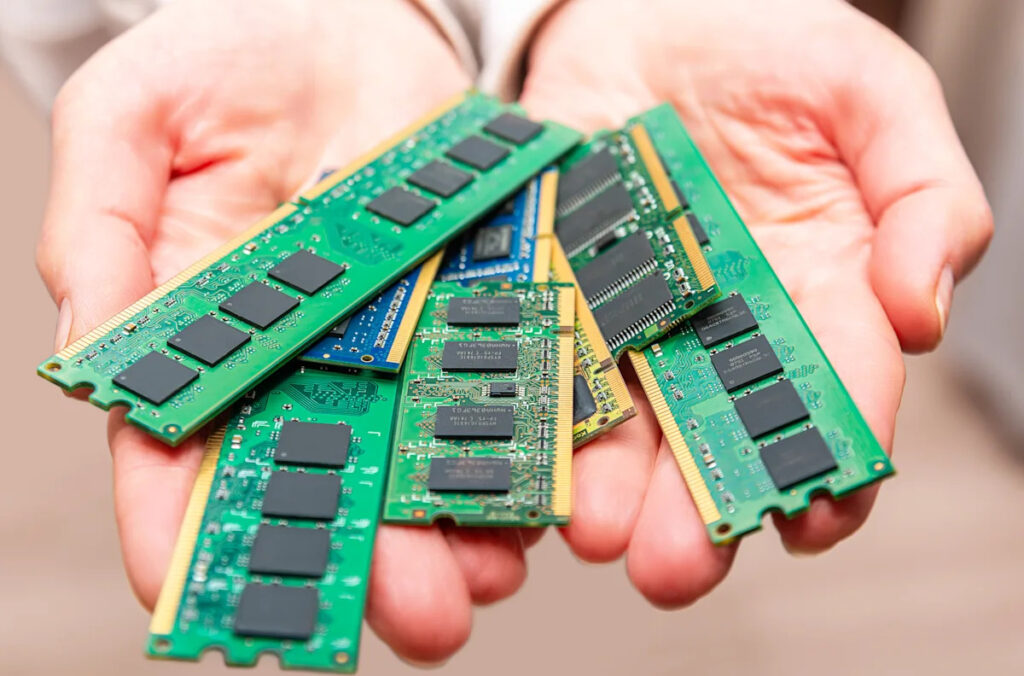
Table of Contents
The Invisible Squeeze in Your Shopping Cart
If you have noticed a creeping increase in the price of laptops, gaming consoles, or high-end SSDs over the last few quarters, it is not a fluke of inflation or a random supply chain glitch. You are seeing the direct result of a tectonic shift in how the world’s most critical memory chips are manufactured. In industry circles, the phenomenon is being dubbed “RAMmageddon,” a scenario where the insatiable appetite of generative AI has effectively priced the average consumer out of the priority list.
At the heart of the issue is a fundamental conflict of interest between two very different types of customers: the individual consumer buying a gaming rig and the hyperscalers—companies like Microsoft, Google, and Meta—building massive AI data centers. The latter are currently engaged in an arms race to secure the compute power necessary to run Large Language Models (LLMs) like GPT-4 and Claude. To do this, they require High-Bandwidth Memory (HBM), a specialized, ultra-fast type of DRAM that is significantly more expensive and resource-intensive to produce than the standard sticks of RAM found in a Dell laptop or a PlayStation 5.
The Pivot to High-Margin Silicon
The global memory market is an oligopoly. Three companies—Samsung, SK Hynix, and Micron—control the vast majority of the world’s DRAM and NAND flash production. For these manufacturers, the math is simple. Commodity DRAM, used in smartphones and PCs, has traditionally been a low-margin business subject to volatile price swings. HBM, however, is a high-margin goldmine.
To capitalize on the AI boom, these manufacturers have begun redirecting their fabrication capacity away from consumer-grade chips and toward AI-centric silicon. This isn’t just a slight adjustment; it is a strategic pivot. Micron, for example, has significantly altered its product trajectory, moving aggressively toward enterprise-grade DDR5 and HBM. When a manufacturer prioritizes a high-margin order from an AI firm over a low-margin order for a consumer motherboard, the available supply of the latter shrinks, and prices inevitably climb.
Collateral Damage Across the Ecosystem
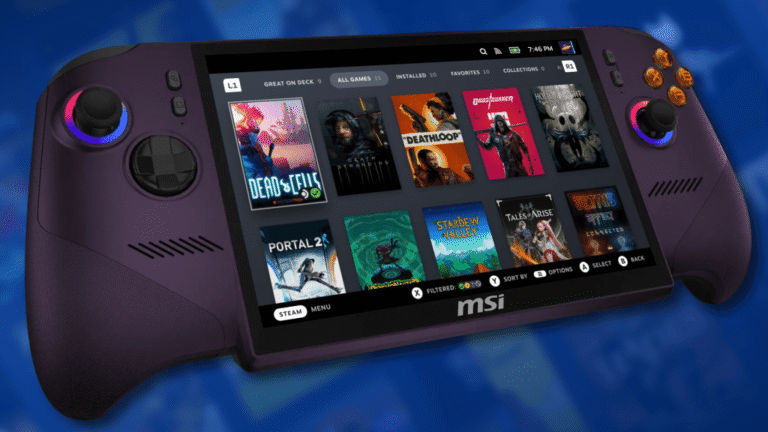
The effects are rippling through every corner of the hardware market. The gaming sector has been hit particularly hard. Sony, Microsoft, and Nintendo have all navigated price adjustments for consoles and peripherals, while Valve has struggled with stock levels for the Steam Deck and delays for its rumored living room PC. Even Meta, which dominates the VR space, cited memory shortages when increasing the price of its Quest headsets in April.
While Apple has managed to insulate some of its products—thanks to its immense purchasing power and a strategic surplus of unified memory architectures—even the Mac lineup has seen the disappearance of its most affordable entry points, such as the cheapest Mac mini configurations. Samsung and Google have faced similar pressures, with the Pixel 10a arriving with fewer meaningful hardware upgrades than its predecessors, likely a result of the constrained component landscape.
Beyond RAM: The NAND Flash Crisis
The crisis isn’t limited to volatile memory. A parallel squeeze is happening with NAND flash, the non-volatile storage used in SSDs and microSD cards. AI training requires staggering amounts of data throughput, leading data center operators to gobble up enterprise-grade SSDs. This has occurred just as manufacturers, who previously cut production to correct a period of oversupply, are now prioritizing high-margin enterprise storage over the consumer drives used in everything from handheld consoles to external backup drives.
A Long Road to Recovery
For those hoping for a quick return to 2021-era pricing, the outlook is grim. The timeline for relief is measured in years, not months. Samsung executive Kim Jaejune suggested in April that the supply-to-demand gap could worsen next year, with shortages persisting through 2027. Other industry leaders, including former Intel CEO Lip-Bu Tan and SK Group chairman Chey Tae-won, have hinted that the imbalance could stretch as far as 2028 or even 2030.
Until the industry can significantly expand fabrication capacity—a process that takes years and billions of dollars in capital expenditure—the “AI Tax” will continue to be felt by anyone buying a gadget with a chip inside.