Samsung is reportedly shuffling the Galaxy S27 hierarchy with a ‘Pro’ model that outclasses the Ultra on zoom
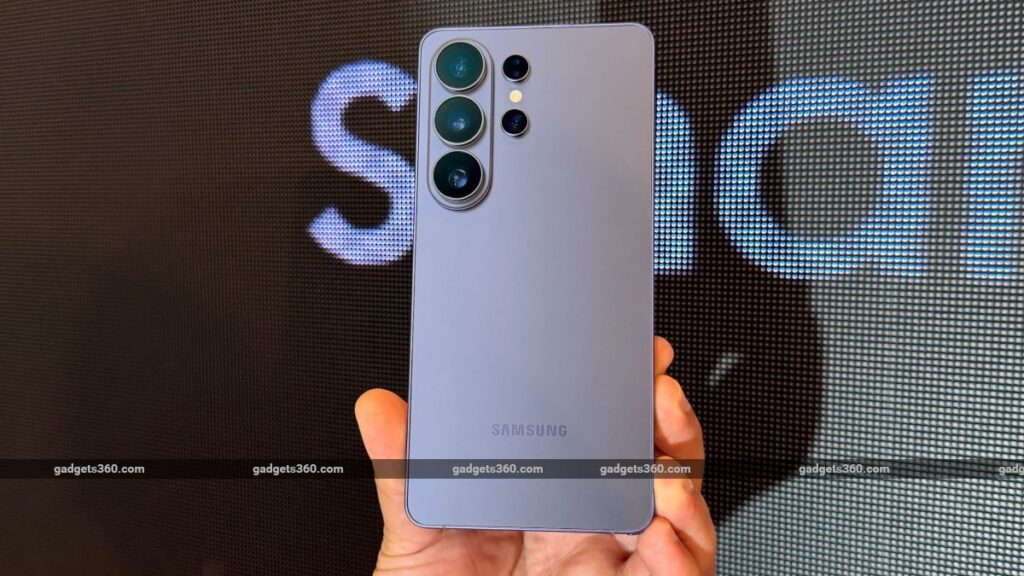
Table of Contents
A shift in the flagship strategy
Samsung’s approach to its flagship numbering and tiering has remained relatively static for years, with the ‘Plus’ and ‘Ultra’ models serving as the primary differentiators for power users. However, internal shifts at the South Korean giant suggest a pivot is coming. After reportedly shelving plans to introduce a ‘Pro’ model for the upcoming Galaxy S26 series in favor of the traditional naming scheme, Samsung is now circling back to the idea for the 2026 cycle.
The emerging narrative around the Galaxy S27 series suggests the introduction of a Galaxy S27 Pro. While the ‘Pro’ designation typically implies a mid-step between a standard model and a top-tier flagship, recent leaks indicate that Samsung might use this new tier to experiment with hardware that could actually outperform the Ultra in specific categories.
The ALoP advantage: Why the Pro might beat the Ultra
The most striking detail emerging from recent reports, first highlighted by Android Headlines, is a potential reversal in camera superiority. Traditionally, the Ultra model has been the undisputed king of zoom, utilizing periscope lenses to achieve high optical magnification. For the S27 series, the Ultra is expected to retain a 50-megapixel conventional telephoto setup capable of 5x optical zoom.
The S27 Pro, however, is rumored to debut with a 50-megapixel All Lenses on Prism (ALoP) camera. While the Pro’s optical zoom is cited at 3.5x—mathematically lower than the Ultra’s 5x—the ALoP architecture is designed to optimize light intake and image clarity across the focal range. By condensing the lens elements onto a prism structure, Samsung can potentially reduce the physical depth of the camera module while improving the quality of the resulting image, particularly in challenging lighting conditions where traditional periscopes often struggle with noise.
This suggests Samsung is moving away from a “more is better” approach to zoom and toward a “quality over reach” philosophy for the Pro model. If the ALoP lens delivers sharper, more color-accurate results than the Ultra’s 5x sensor, it creates a strange paradox in the lineup: the Ultra remains the best for distance, but the Pro becomes the choice for professional-grade portraiture and mid-range zoom.
Shared DNA across the top tier
Despite the telephoto divergence, the S27 Pro and S27 Ultra will likely share a significant amount of hardware. Leaks indicate that both handsets will feature the same 200-megapixel primary sensor, which has become the hallmark of Samsung’s high-end imaging. The ultrawide shooters are also expected to remain identical across both models, ensuring that the baseline for wide-angle photography remains consistent.
This strategy mirrors a trend seen in other tech sectors where “Pro” and “Ultra” models differentiate not by the amount of hardware, but by the type of hardware. Much like how different laptop tiers might share the same CPU but differ in screen technology, Samsung is positioning the S27 Pro as a specialized tool for a different subset of creators.
The market implication
Introducing a Pro model that competes with the Ultra on camera quality complicates Samsung’s pricing and marketing. For years, the Ultra has been the clear “upsell” for anyone caring about photography. If the Pro model offers a superior telephoto experience via ALoP, Samsung risks cannibalizing Ultra sales or confusing consumers about which device is actually the “best.”
However, this move could be a calculated response to the increasing sophistication of competitors like Xiaomi and Vivo, who have been aggressively pushing larger sensors and specialized lens coatings in their Pro+ and Ultra lines. By diversifying the telephoto options, Samsung can appeal to both the “super-zoom” enthusiast and the professional photographer within a single generation.