Samsung Floods Indian Market With 72 New Vision AI TVs, Betting Big on Micro RGB
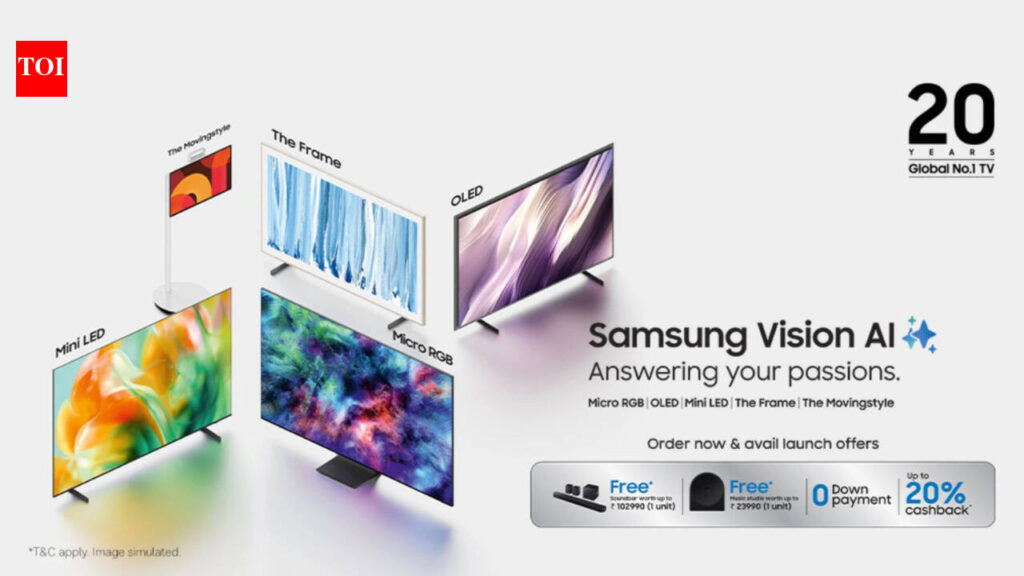
Table of Contents
A Massive Push for AI-Driven Hardware
Samsung has fundamentally shifted its strategy for the Indian market with the launch of its 2026 Vision AI TV lineup. In a move that signals both aggression and confidence in the region’s appetite for premium displays, the company is introducing a staggering 72 different models. The range is spread across six distinct categories, designed to capture everything from budget-conscious first-time buyers to the high-end luxury segment.
The standout addition to the portfolio is the premium Micro RGB series. While OLED and Neo QLED have long been the battlegrounds for high-end contrast and brightness, Micro RGB represents Samsung’s push toward a more sustainable, long-term premium standard. By utilizing microscopic LEDs that act as their own light source, these panels aim to eliminate the risk of burn-in associated with traditional OLEDs while maintaining the deep blacks and vibrant color accuracy that high-end users demand.
The AI Engine Under the Hood
The “Vision AI” branding isn’t just marketing fluff; it refers to a new suite of neural processing units embedded in the TVs’ chipsets. According to Samsung, these processors are designed to analyze content in real-time, adjusting contrast, sharpness, and color mapping based on the specific genre of content being streamed. This is particularly relevant for the Indian market, where a wide variety of content—ranging from high-bitrate 4K streaming to lower-resolution legacy cable TV—is consumed on a single device.
The AI integration extends to the audio experience as well. The 2026 models utilize AI-driven sound mapping, which theoretically analyzes the room’s acoustics and the position of the viewer to calibrate audio output. This is a direct attempt to compete with the spatial audio trends led by Sony and LG.
Pricing and Market Positioning
Samsung is casting a wide net with its pricing. Entry-level models start at Rs 36,990, making the Vision AI ecosystem accessible to the mid-market segment. However, the company is clearly eyeing the luxury tier with the Micro RGB models, which are priced well above Rs 1,24,990. This wide delta suggests Samsung is trying to lock users into its Tizen-based ecosystem across all socioeconomic brackets in India.
| Technology | Target Segment | Key Advantage |
|---|---|---|
| Micro RGB | Ultra-Premium | No burn-in, extreme brightness |
| Neo QLED | High-End | Quantum Mini LED precision |
| OLED | Cinemaphiles | Perfect blacks, thin profile |
| Mini LED | Mid-to-High | Balanced contrast and value |
The Ecosystem Play
Beyond the hardware, Samsung is leveraging these TVs as the central hub for its SmartThings ecosystem. The 2026 lineup features deeper integration with other Samsung appliances, allowing the TV to act as a dashboard for home automation. This move mirrors the industry trend of transforming the living room television from a passive viewing screen into an active home operating system.
To incentivize early adoption in a highly competitive market—where brands like Xiaomi and TCL are aggressive on pricing—Samsung is bundling free soundbars and cashback offers for initial purchasers. This strategy aims to secure market share before the festive season rush, ensuring that their AI-driven hardware becomes the baseline for the modern Indian living room.