Hantavirus Outbreak on MV Hondius Spreads to Madrid Hospital as Quarantine Window Tightens
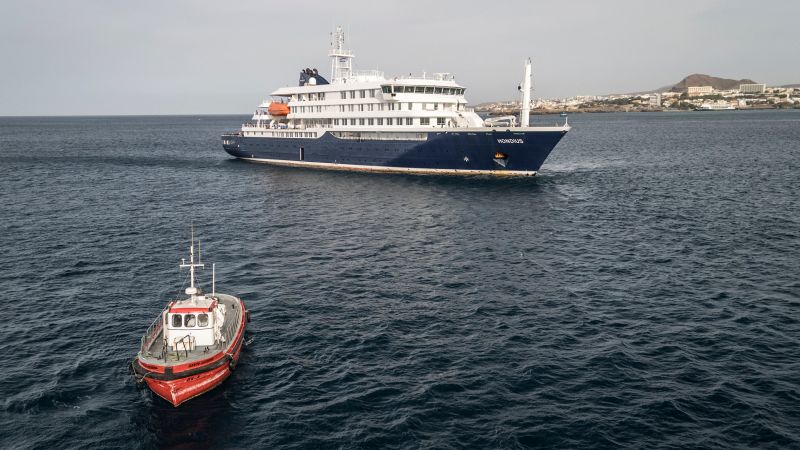
Table of Contents
Containment Efforts Intensify as Second Spanish Case Emerges
Health authorities in Spain have confirmed that a Spanish national evacuated from the MV Hondius has tested positive for hantavirus. The patient, who was part of a group of 14 Spaniards quarantined in Madrid since May 10, is now receiving specialized care at the Gómez Ulla Central Defense Hospital.
The individual was identified through a rigorous epidemiological monitoring system triggered after the initial outbreak was detected aboard the vessel. Following the positive result, the patient was immediately transferred to the hospital’s High-Level Isolation Unit (UATAN), a facility designed to manage highly infectious pathogens and prevent community transmission.
This marks the second Spanish citizen to test positive in connection with the cruise, contributing to a growing total of 11 confirmed cases worldwide, according to the latest data from the World Health Organization (WHO). While the Spanish Ministry of Health has attempted to downplay the risk to the general public—stating that the case was caught within existing control systems—the confirmation underscores the volatility of the current outbreak.
The Logistics of a Floating Outbreak
The MV Hondius became a focal point for international health agencies after three passengers died following the ship’s departure from Argentina in April. The trajectory of the vessel created a complex tracing challenge for health officials across several continents.
In late April, dozens of passengers disembarked at the remote South Atlantic island of Saint Helena. The remaining passengers were eventually offloaded at the port of Granadilla in Tenerife, Canary Islands, in early May, before being repatriated to their home countries. Further complications arose as crew members disembarked in the Netherlands, stretching the monitoring effort across multiple European and Atlantic jurisdictions.
The Danger of the ‘Silent Window’
The primary challenge for medical teams is the hantavirus incubation period, which is notoriously unpredictable. While the average time between infection and the onset of symptoms is roughly three weeks, the window can extend up to six weeks.
This 42-day variance is why authorities have maintained strict monitoring for passengers long after they left the ship. Dr. Isaac Bogoch, an infectious disease specialist and professor at the University of Toronto, previously noted that passengers who were on board in early May are only now entering the peak window for symptom development. This suggests that the current number of confirmed cases may not yet reflect the true scale of the infection.
Understanding the Pathogen’s Behavior
Hantaviruses are typically zoonotic, meaning they are transmitted from animals—specifically rodents—to humans through aerosols or direct contact. However, the WHO has raised concerns that the conditions aboard the MV Hondius may have facilitated human-to-human transmission, a rarity for most hantavirus strains but a critical variable in cruise ship environments where proximity is constant.
The clinical progression of the virus often begins with flu-like symptoms: fatigue, fever, chills, and muscle aches. If the infection progresses, it can lead to severe respiratory distress or cardiovascular collapse, damaging the lungs, heart, and kidneys. The speed of this decline is often what makes the virus lethal, necessitating the high-level isolation protocols currently being utilized at the Gómez Ulla facility.
As the 42-day monitoring period expires for the final cohorts of passengers and crew, health officials remain on high alert for any late-emerging clusters that could signal a wider failure in the initial containment strategy.