Nvidia Retires Control Panel as DLSS 4.5 Multi-Frame Gen Hits 007 First Light and Helldivers 2
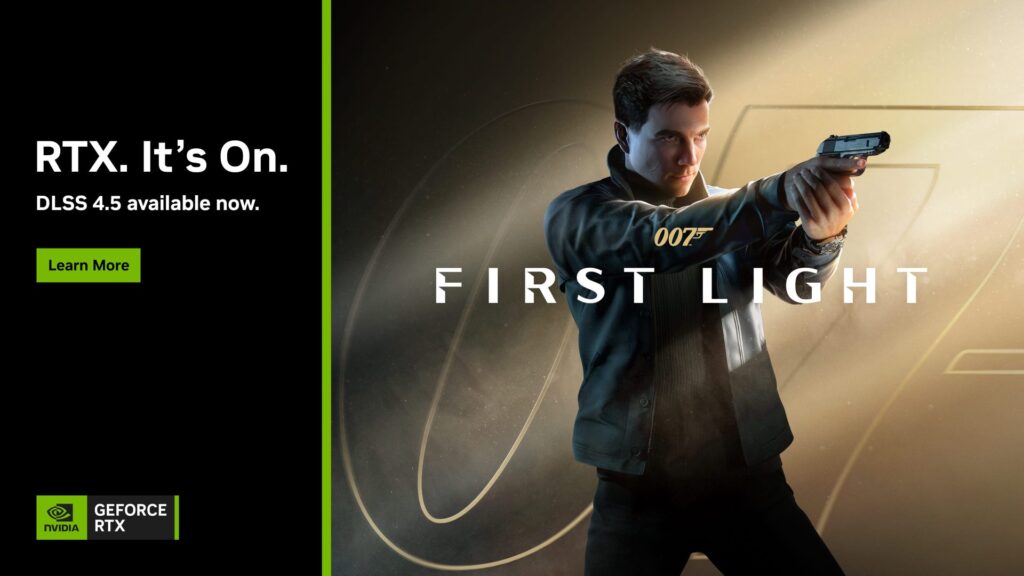
Table of Contents
The End of an Era for the NVIDIA Control Panel
After two decades of serving as the utilitarian backbone for GPU management, the NVIDIA Control Panel has officially been retired. In a move that signals a shift toward a more modern, user-centric interface, Nvidia has replaced the legacy software with the consolidated NVIDIA App. The transition coincides with a massive push for the latest iteration of its AI-driven upscaling suite, DLSS 4.5.
The new app isn’t just a cosmetic overhaul; it serves as the primary gateway for users to enable Dynamic Multi-Frame Generation. This is particularly relevant for titles like Starminer, which launches this week. While the game ships with standard DLSS Super Resolution and Frame Generation, players can now leverage the NVIDIA App to upgrade their experience to DLSS 4.5’s more sophisticated dynamic frame interpolation, allowing for smoother transitions and higher perceived framerates without the heavy hardware tax of native rendering.
007 First Light Pushes RTX 50-Series to the Limit
The centerpiece of this week’s software rollout is 007 First Light. Developed by IO Interactive, the James Bond reboot has already begun hitting the desks of Deluxe Edition owners via 24-hour early access ahead of its official May 27, 2026, launch. Beyond the critical acclaim—including an 8.5/10 from Wccftech—the title serves as a showcase for the raw power of the RTX 50-series architecture.
Nvidia claims that the RTX 5090, paired with DLSS 4.5 and Multi-Frame Generation, can push 007 First Light to a staggering 563 FPS at 4K resolution on maximum settings. While such numbers are often theoretical and highly dependent on the specific scene, they highlight the widening gap between traditional rasterization and AI-assisted rendering. To capitalize on this momentum, Nvidia is currently bundling the game with 50-series GPU purchases, essentially using the title as a benchmark for the current generation of hardware.
Closing the Gap: Helldivers 2 and World of Tanks: HEAT
For a significant portion of the PC gaming community, the most meaningful update this week isn’t the bleeding edge of 4K performance, but the arrival of upscaling in Helldivers 2. Since its release, the cooperative shooter was a rare outlier among modern AAA titles, lacking support for any major upscaling technologies. The official update, going live May 27, finally brings DLSS support to the title, which should provide a much-needed performance boost for players struggling with the game’s demanding planetary environments.
Simultaneously, World of Tanks: HEAT launched today as a free-to-play PvP vehicle shooter. Unlike the slower rollout for older titles, HEAT arrives with a full suite of Nvidia features from day one, including DLSS Super Resolution, Multi-Frame Generation, and NVIDIA Reflex. Reflex, in particular, is critical for this title, as it reduces system latency to ensure that the fast-paced 5v5 and 10v10 skirmishes feel responsive.
Upcoming Integration: F1 25
The momentum continues into next month with F1 25, scheduled for release on June 3, 2026. The racing simulation is confirmed to support the same trifecta of DLSS Super Resolution, Multi-Frame Generation, and Reflex. In a genre where frame timing and input lag are the difference between a podium finish and a crash, the integration of DLSS 4.5 is expected to be a primary selling point for the PC version of the game.