NASA’s Lunar Blueprint: New Rover Contracts and the Controversial Concept of a Moon ‘Perimeter’
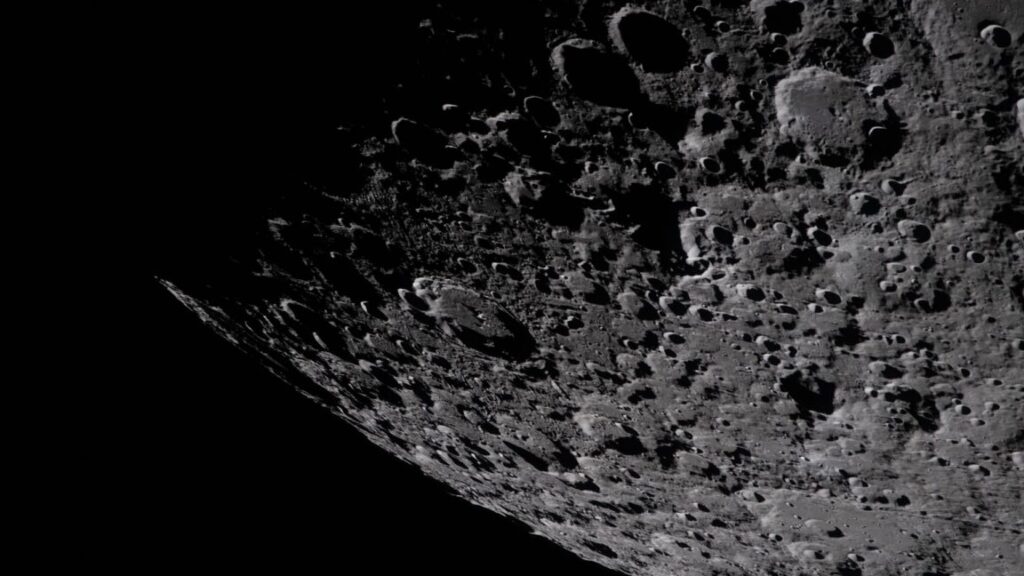
Table of Contents
The Logistics of a Lunar Foothold
NASA is moving beyond the theoretical phase of lunar habitation. In a series of contract awards announced Tuesday, the agency laid out a concrete logistics chain designed to support a permanent presence on the Moon. At the center of this push are two heavy-duty rovers and a specialized drone fleet, all aimed at solving the fundamental problem of the Artemis program: we simply don’t know enough about the lunar surface to build on it safely.
NASA Administrator Jared Isaacman emphasized that the agency is accelerating its timeline to avoid the stagnation of previous eras. “For those waiting patiently, the grand return is close at hand, and we will not slow down,” Isaacman stated, signaling a shift toward aggressive implementation.
The hardware core of this initiative involves two one-ton rovers. Astrolab has been awarded $219 million for its CLV-1 rover, while Lunar Outpost secured $220 million for its Pegasus model. These vehicles are not merely transport; they are designed for autonomous operation with a 200 km range, allowing astronauts and Earth-based operators to traverse vast stretches of the lunar south pole by 2028.
Blue Origin’s Growing Influence
The delivery of these rovers further cements Blue Origin’s role as a critical infrastructure provider for NASA. The company will utilize its Blue Moon Mark 1 lander to ferry each rover to the surface in separate missions, a deal worth $280.4 million. This increases Blue Origin’s centrality to the Artemis architecture, as the Mark 1 is already tasked with delivering the Viper vehicle, while the larger Mark 2 is being developed for human-centric missions.
Mapping the Unknown with MoonFall
One of the more technical hurdles discussed during the press conference was the current state of lunar mapping. While we have imagery of the Moon, the resolution for most of the surface sits at roughly one meter—far too coarse for precision landing or site selection for a base. NASA aims to bring that resolution down to one centimeter.
To achieve this, the Jet Propulsion Laboratory (JPL) is leading the MoonFall program. This involves deploying three to four drones, each weighing 225 kg and standing about one meter tall. Firefly Aerospace will handle the delivery of these drones, which are scheduled to land before the Artemis IV mission in 2028.
Beyond scouting for water ice in permanently shadowed regions and analyzing soil mechanics, these drones have a secondary, more provocative purpose. Once their flying missions are complete, they will be positioned to establish a “perimeter” for the Moon Base.
The Geopolitics of a ‘Safety Zone’
The mention of a “perimeter” by lunar base manager Carlos Garcia-Galan introduces a complex legal grey area. Under the 1967 Outer Space Treaty, no nation can claim sovereignty over lunar territory. However, the NASA-led Artemis Accords introduce the concept of “safety zones”—areas where “harmful interference” is prohibited to ensure the safety of lunar operations.
By placing retired MoonFall drones at the corners of a base site, NASA would effectively be creating the first physical manifestation of such a zone. While Garcia-Galan suggested these drones could serve as retro-reflector beacons or even the first lunar cell towers, the diplomatic implications are significant. China, which is pursuing its own independent lunar south pole ambitions, has been openly critical of the “safety zone” concept, viewing it as a backdoor to territorial claims.
When pressed on whether this perimeter constitutes a formal safety zone, Isaacman remained cautious. He noted that while NASA intends to be respectful of other nations’ assets, the agency expects that respect to be reciprocal. As the race for lunar resources intensifies, the physical placement of these drones may become the first real-world test of how international space law handles competing claims in a resource-scarce environment.