Waymo’s Reality Check: Rain, Construction, and the Fragility of the Robotaxi Dream
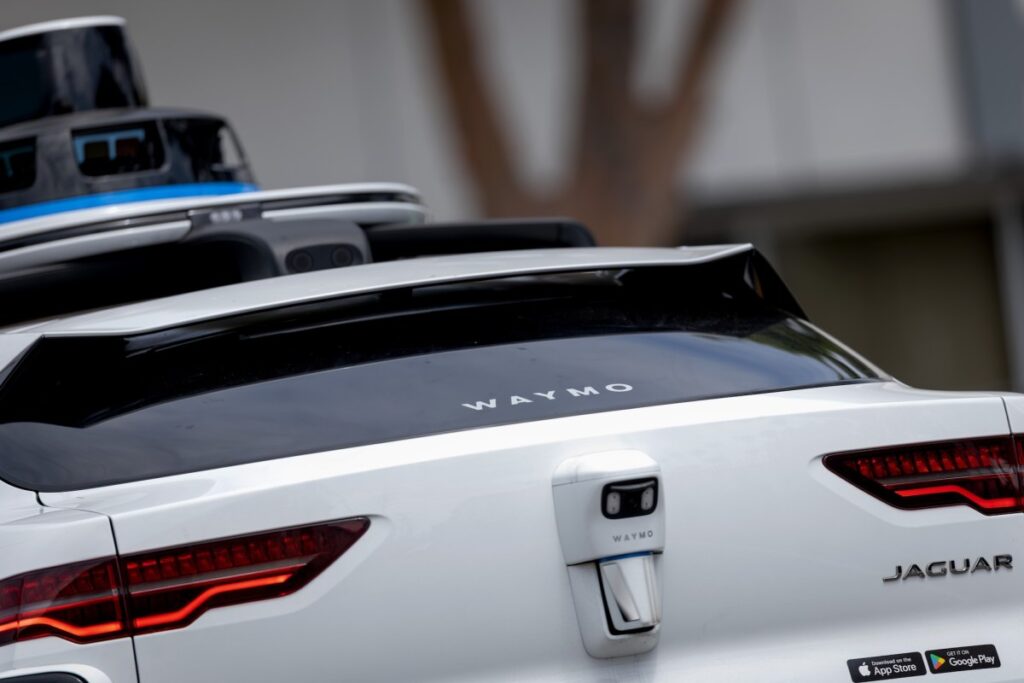
Table of Contents
The Gap Between Launch and Reliability
For anyone spending time in San Francisco, the arrival of robotaxis feels like a settled fact. Waymo vehicles have become a common sight, weaving through city traffic with a ghostly precision that suggests the future of transit has already arrived. However, the company’s recent operational retreats suggest that “arrival” is a relative term.
Waymo has paused its robotaxi operations across a significant swath of the American South and Southwest, including Atlanta, Dallas, Houston, and San Antonio. The catalyst for these pauses is a recurring struggle with adverse weather—specifically, the system’s inability to navigate heavy rain and flooded roadways. More critically, the software appears to struggle with the decision of when to avoid these hazardous conditions entirely.
The problem has proven persistent enough that the company extended these pauses to Austin and Nashville, following a formal recall issued last week. This pattern reveals a sobering truth about the current state of Level 4 autonomy: scaling a fleet is not the same as solving the environment.
Construction Zones and Freeway Friction
While rain has hampered the South, infrastructure instability is causing friction in the West. In a simultaneous move, Waymo has halted robotaxi operations on freeways in San Francisco, Los Angeles, Phoenix, and Miami. The company is currently working to refine how its vehicles interpret and navigate construction zones—an area where human drivers rely heavily on intuition and hand signals, but where AI often finds a digital dead end.
These setbacks illustrate the “edge case” treadmill that autonomous vehicle (AV) companies are currently running on. For every new city entered or new capability unlocked, a new set of environmental variables emerges that the model hasn’t fully mastered. Waymo remains the clear leader in terms of commercial ridership and fleet size, yet these conditional pauses serve as a reminder that commercial availability is not the same as operational maturity.
The Musk Ecosystem: SpaceX and Tesla’s Financial Entanglement
While Waymo grapples with the physical world, the business of emerging tech is seeing a different kind of integration. New IPO filings from SpaceX have shed light on the deeply intertwined financial relationship between Elon Musk’s various ventures, specifically Tesla and the recently merged xAI.
The filings reveal a high volume of cross-company commerce. In 2025, SpaceX purchased $506 million of Tesla’s Megapack commercial energy storage products, nearly tripling its spend from the previous year. The procurement didn’t stop at energy; SpaceX also invested $131 million in Cybertrucks last year. The web of transactions extends further into infrastructure, with SpaceX and X both paying $1 million each to The Boring Company for tunnel construction and leasing in Bastrop, Texas.
Perhaps most significant is the conversion of Tesla’s investment in xAI into an equity interest in SpaceX following the acquisition. This consolidation suggests a strategic move toward a unified Musk ecosystem, potentially paving the way for more ambitious joint projects like Terafab, a chip-manufacturing facility, and “Macrohard,” a proposed AI platform utilizing autonomous agents to augment human labor.
Industry Shifts: From May Mobility to Lyft
The broader AV landscape continues to shift as companies seek hardware stability. May Mobility has entered a strategic agreement with Ecarx, a company backed by Geely founder Li Shufu. Under the deal, Ecarx will supply thousands of purpose-built robotaxis, with an estimated project value of $750 million aimed at commercialization by 2028.
Meanwhile, ride-hailing giant Lyft is maintaining a pragmatic, if cautious, stance. In a recent blog post, the company reiterated its belief that a viable ride-hailing service requires a hybrid fleet of both human and autonomous drivers. While this position aligns with Uber’s strategy, it also serves as a political safeguard for Lyft’s human gig workforce and a reflection of the fact that, despite the hype, robotaxis remain a niche experience rather than a daily utility for the average American.