Ferrari and IBM are betting on AI to turn F1 data into ‘Tifosi’ loyalty
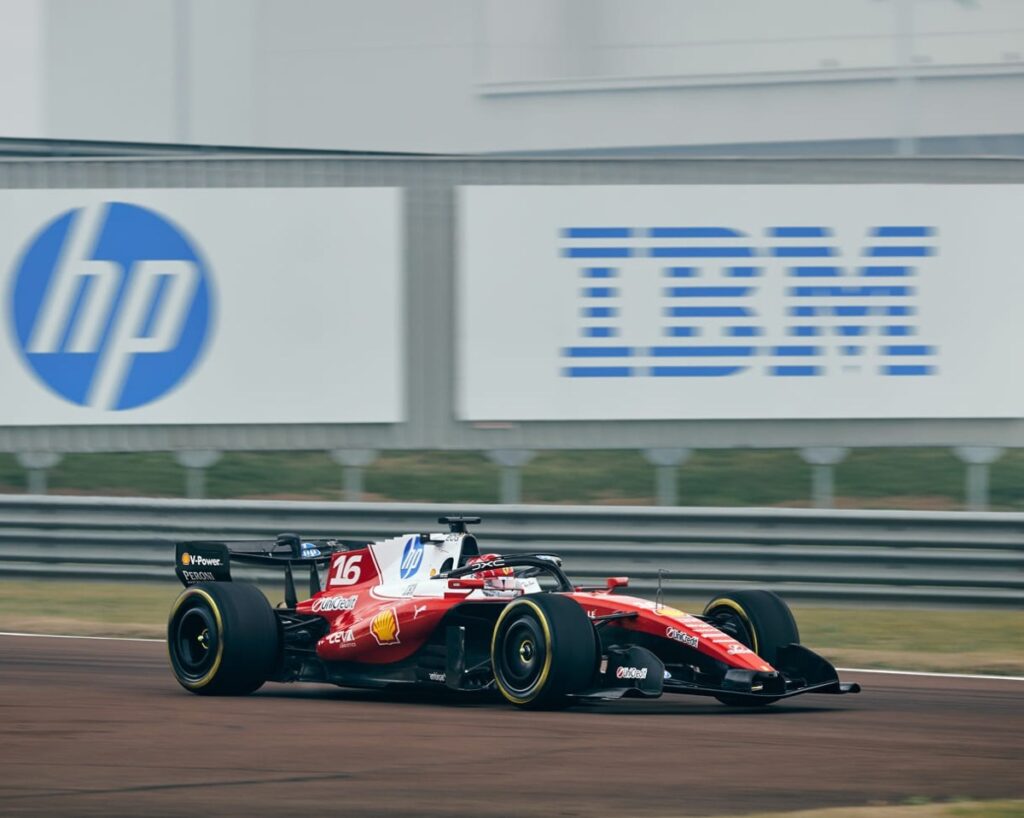
Table of Contents
More than just a pit stop
For decades, the relationship between Scuderia Ferrari and its fans—the legendary Tifosi—has been built on passion and a shared obsession with the Prancing Horse. But in the modern era of Formula One, passion isn’t enough. With the sport exploding in popularity across the U.S. and among Gen Z audiences, the challenge has shifted from attracting eyes to retaining them.
Enter IBM. The tech giant has officially stepped into the F1 paddock, partnering with Ferrari to bridge the gap between the incomprehensible volume of race-day telemetry and the fan experience. While other teams use AI and cloud computing primarily to shave milliseconds off a lap time, Ferrari and IBM are applying that same enterprise-grade intelligence to the digital interface of the fan app.
The goal is a shift in philosophy: moving the fan app from a static brochure of race results to a dynamic, AI-driven storytelling platform. According to Kameryn Stanhouse, IBM’s Vice President of Sports and Entertainment Partnerships, the focus is on making the complexity of the sport accessible. The sheer scale of F1 data is staggering, with teams processing millions of data points per second during a Grand Prix. The hurdle has always been translating those numbers into something a fan can actually feel.
Engineering the ‘Superfan’ experience
To spearhead this transition, Ferrari created a specific role: Head of Fan Development. Stefano Pallard, who stepped into the position, notes that the objective is to move away from a one-size-fits-all communication strategy. “The challenge was not just reaching fans, but making each of them feel like we know them,” Pallard explains.
The overhaul of the Ferrari fan app reflects this. In a surprising move for a brand headquartered in Maranello, the previous iteration of the app lacked an Italian language option—a gap that has since been closed. Beyond localization, the app now integrates AI-generated race summaries and an AI companion capable of answering nuanced questions about the sport. For instance, while a casual viewer sees a tire change, the AI can contextualize the feat, explaining the 24 people working in synchronized harmony to execute a two-second stop.
This approach is designed to solve the “seasonal」 dip in engagement. Unlike a tournament like the Masters, which sees a concentrated burst of interest, F1 is a global marathon. By introducing gamification, predictive tools, and behind-the-scenes narratives, IBM is attempting to keep fans tethered to the brand during the off-season and the long gaps between fly-away races.
Analyzing the sentiment of the Tifosi
The partnership isn’t just about pushing content out; it’s about pulling data back. Ferrari is using AI to analyze engagement signals and sentiment within the app. By tracking which narratives resonate and how fans react to specific driver updates, the team can pivot its storytelling in real-time.
This data-driven pivot is particularly crucial given the shifting demographics of the sport. Recent F1 statistics indicate that 75% of new fans are women, many of whom are Gen Z. The rise of the F1 Academy has further diversified the audience, bringing in a crowd that is more tech-savvy and demanding of transparency and depth than previous generations.
Stanhouse reports that the strategy is already yielding results, citing a 62% increase in engagement during race weekends since the IBM integration. For Ferrari, the next five years aren’t just about winning Constructors’ Championships, but about building a digital ecosystem where a fan who joined 30 days ago feels as connected to the team as one who has followed them for 30 years.


