Trump-Xi Summit: Tech Truce, Boeing Deals, and the Future of AI Chips
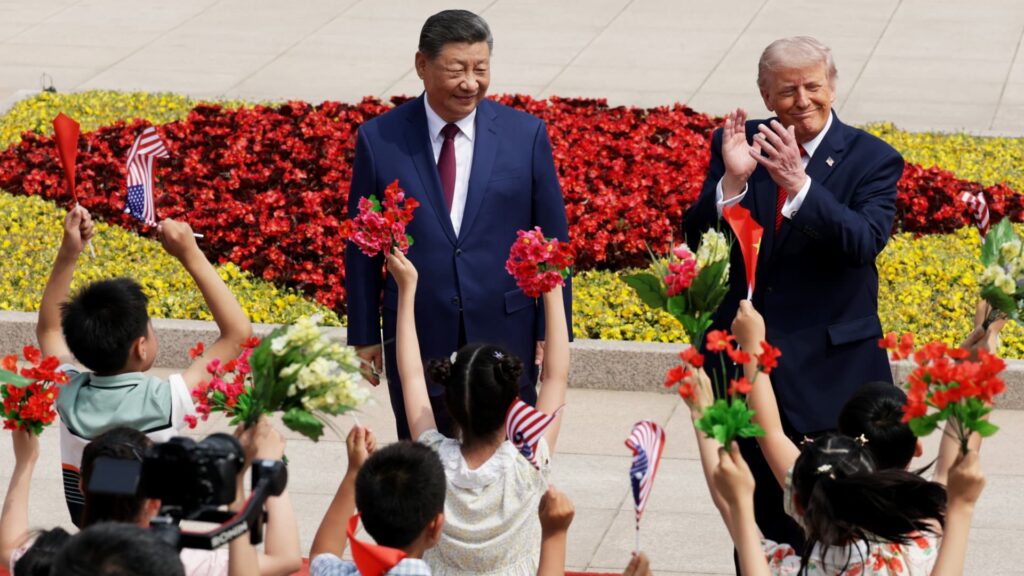
Table of Contents
Trump-Xi Summit: Tech Truce, Boeing Deals, and the Future of AI Chips
In a high-stakes diplomatic gamble, U.S. President Donald Trump and Chinese President Xi Jinping have concluded a pivotal two-day summit in Beijing, successfully stabilizing a fragile trade truce and outlining a new era of “strategic stability” between the two superpowers.
The meeting, which was delayed by regional instability in the Middle East, marks a critical inflection point for global markets. While geopolitical tensions over Taiwan remained a silent but heavy presence in the room, the tangible outcomes of the summit focused heavily on economic pragmatism and the high-tech sector.
- Main Update: Establishment of a three-year “strategic stability” framework to govern bilateral relations.
- Key Tech Win: U.S. government approval for Nvidia to resume sales of H200 AI chips to major Chinese firms.
- Industrial Deal: China pledges to purchase 200 Boeing jets, exceeding initial company expectations.
- Next Steps: President Xi is invited to visit the U.S. on September 24 to finalize trade terms before the October 2025 deadline.
The Silicon Diplomacy: Nvidia and the AI Arms Race
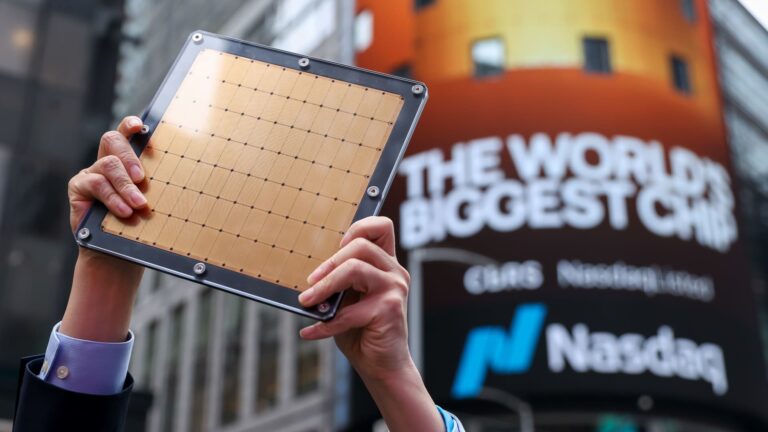
Perhaps the most significant takeaway for the tech industry is the reported “green light” for Nvidia’s H200 chips to enter the Chinese market. For months, strict export controls have hampered the flow of cutting-edge AI hardware, sparking fears of a complete decoupling of the two largest tech ecosystems.
Impact on Global AI Infrastructure
The decision to allow H200 sales is a calculated move that balances national security with economic reality. By permitting these specific sales, the U.S. maintains a level of oversight while allowing American firms to capture essential revenue from the world’s largest AI market.
- Market Surge: Tech stocks rallied immediately following the news of the chip export approval.
- Supply Chain Stability: This move reduces the incentive for Chinese firms to accelerate domestic chip production in the short term.
- Strategic Leverage: The U.S. retains the ability to pivot back to restrictions if the stability framework is breached.
Industrial Wins and the Boeing Surge
Beyond the digital realm, the summit delivered a massive victory for American aerospace. President Trump confirmed that China will order 200 Boeing jets. While this falls short of the 500 units some analysts predicted, it significantly outperforms the 150 units Boeing had internally forecasted.
This deal is not merely about aircraft; it is a symbolic gesture of economic interdependence. Along with the aircraft deal, the U.S. is eyeing a surge in energy exports, with discussions centering on China’s agreement to purchase U.S. oil to assist in broader regional negotiations regarding Iran.
Comparing the Strategic Shift
To understand the scale of this meeting, one must look at the transition from the aggressive tariff wars of early 2025 to the current framework of cooperation.
| Metric | Pre-Summit Tension (Early 2025) | Post-Summit Framework |
|---|---|---|
| Trade Status | Escalating Tariffs / Rare Earth Restrictions | Lowered Tariffs / Trade Truce |
| AI Hardware | Strict H100/H200 Export Bans | Conditional H200 Sales Approved |
| Diplomatic Tone | Confrontational / Retaliatory | “Strategic Stability” Framework |
| Industrial Flow | Stalled Aerospace Orders | 200 Boeing Jet Commitment |
Why This Matters for the Global Economy
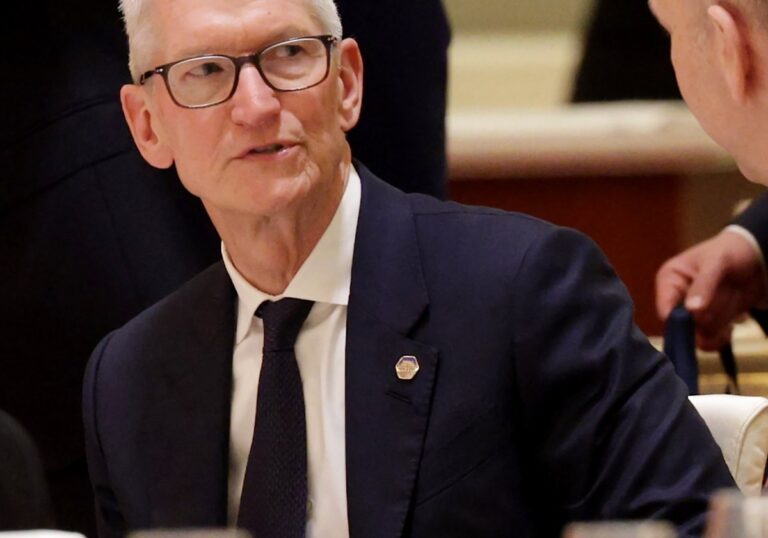
The presence of a high-powered business delegation—including Apple CEO Tim Cook and Tesla’s Elon Musk—underscores that this was as much a corporate summit as it was a political one. The meeting with Premier Li Qiang highlighted China’s commitment to further opening its markets to foreign investment.
Industry analysts suggest that Beijing is attempting to convert President Trump’s transactional approach into a predictable, long-term operating system. By creating a baseline for relations, China hopes to ensure that subsequent U.S. administrations cannot easily dismantle these economic ties.
The Taiwan Variable
Despite the economic wins, the “elephant in the room” remains Taiwan. While no substantive discussions took place during the summit, President Xi’s warnings about the region remain a critical risk factor. The current peace is a “trade-first” peace, where economic gains are being used to mask deep-seated geopolitical fissures.
What Happens Next
The focus now shifts to September 24, when President Xi is expected to visit the United States. This visit will serve as the final vetting process before the one-year trade truce expires in October 2025. If the momentum holds, we could see a broader standardization of AI trade and a permanent reduction in tariffs.
For now, the markets are breathing a sigh of relief. The “muscling” of American economic power, combined with China’s need for stability, has bought the world a temporary reprieve from a full-scale trade war.
Source: Official readouts from the Beijing Summit and statements provided via Fox News and state media.