Rapido Hits $3B Valuation With $240M Funding Boost to Challenge Uber in India
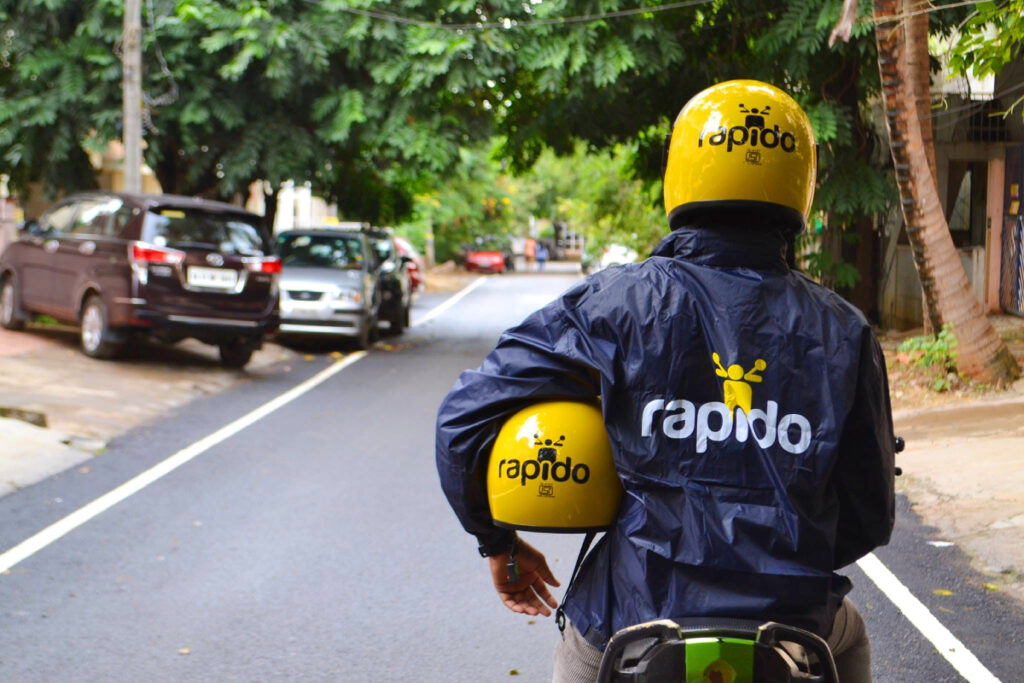
Table of Contents
Rapido Hits $3B Valuation With $240M Funding Boost to Challenge Uber in India
In a massive power move within the South Asian mobility sector, Indian ride-hailing disruptor Rapido has officially announced a $240 million funding round, propelling the company to a staggering $3 billion valuation.
The investment, led by global consumer internet powerhouse Prosus, signals a critical inflection point for India’s urban transport landscape. As the company scales, it is positioning itself not just as a competitor to global giants, but as a specialized alternative tailored for the unique logistical challenges of Indian cities.
- Main Update: Rapido raises $240 million in fresh equity funding.
- New Valuation: The company is now valued at $3 billion, up from $2.3 billion last year.
- Lead Investor: Prosus, with participation from WestBridge Capital and Accel.
- Strategic Goal: Expansion of multi-modal footprint and driver network efficiency.
The Capital Injection: Fueling a Multi-Modal Empire
The $240 million round is part of a broader $730 million primary and secondary financing effort. This influx of capital comes at a time when the ride-hailing industry is shifting from a “growth at all costs” mentality to a focus on sustainable platform efficiency and unit economics.
Rapido’s strategy differs significantly from the traditional four-wheeler approach. By dominating the bike-taxi and autorickshaw segments, Rapido has managed to penetrate congested urban cores where cars simply cannot move efficiently. This mobility strategy in India has allowed them to capture a price-sensitive demographic that finds Uber and Ola too expensive or impractical for short-haul trips.
Scaling the Driver Network
A significant portion of the new funds is earmarked for strengthening the supply side of the marketplace. In the ride-hailing world, supply is the only true moat. Rapido plans to optimize driver onboarding and incentive structures to reduce churn.
- Hyper-local expansion: Moving deeper into Tier-2 and Tier-3 cities where demand is surging.
- Tech Integration: Implementing AI-driven routing to reduce “dry runs” for drivers.
- Multi-modal shift: Integrating seamless transitions between bikes, autos, and cabs.
A High-Stakes War with Uber and Ola
The timing of this funding is no coincidence. Uber CEO Dara Khosrowshahi recently visited India, unveiling ambitious plans for new technology campuses and a local data center partnership. Uber is clearly playing the long game, recently infusing $330 million into its Indian subsidiary to stave off local challengers.
Interestingly, Khosrowshahi himself admitted last year that Rapido has overtaken the long-time incumbent Ola as Uber’s primary competitor in the region. This shift marks a transition from the “corporate battle” of two giants to a more agile, localized fight against a company that understands the “last mile” better than anyone else.
| Metric | Previous Cycle | Current Cycle |
|---|---|---|
| Company Valuation | $2.3 Billion | $3.0 Billion |
| Market Focus | Bike Taxis / Autos | Multi-modal / Logistics |
| Operational Reach | Major Metros | 400+ Cities (Inc. Small Towns) |
| Key Competitor | Ola | Uber / Namma Yatri |
Why This Matters for the Tech Ecosystem
This valuation jump proves that investors still have a massive appetite for the Indian mobility market, despite regulatory headwinds and thin margins. Rapido’s success is a case study in “localization over globalization.” While Uber offers a standardized global product, Rapido built a product for the specific chaos of Indian traffic.
Furthermore, Rapido is diversifying its revenue streams. Through its subsidiary Ownly, the company has already ventured into the food delivery space, attempting to replicate the “super-app” success of Grab in Southeast Asia or Gojek in Indonesia. By leveraging its existing fleet of bike riders, Rapido can enter the delivery economy with significantly lower customer acquisition costs.
The Regulatory Hurdle
Despite the funding, the road ahead isn’t entirely smooth. Bike taxis remain a legal gray area in several Indian states. Rapido’s ability to lobby for favorable regulations and maintain a positive relationship with city administrations will be just as important as its software engineering.
What Happens Next?
Looking ahead, the industry is moving toward a consolidation phase. We expect Rapido to use this capital to either aggressively price out smaller players like Namma Yatri or invest heavily in EV transitions. As India pushes for greener cities, the shift toward electric bike taxis is inevitable, and whoever owns the charging infrastructure and the fleet will win the decade.
For users, this means more competitive pricing and better app reliability in the short term. For the industry, it means the battle for the Indian street is far from over, and the startup funding landscape in 2024 continues to reward companies that can solve real-world physical problems with digital efficiency.
Source: Official company statement and regulatory filings provided by Rapido and Prosus.