Acer Debuts TravelLite TL24-54M in India, Bringing Intel’s 18A Process Node to the Enterprise Sector
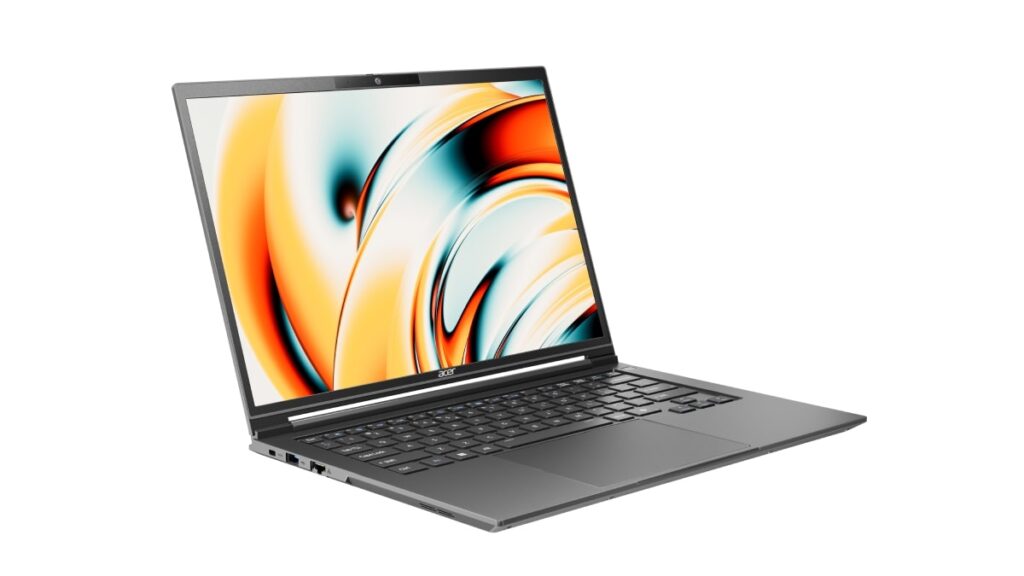
Table of Contents
A Strategic Shift in Silicon Architecture
Acer has officially expanded its commercial portfolio in India with the launch of the TravelLite TL24-54M. While the laptop’s physical footprint is designed for portability, the real story lies beneath the chassis. The TL24-54M is among the first commercial notebooks in the Indian market to integrate Intel’s new Core Series 3 processors, which are built on the highly anticipated Intel 18A process node.
The transition to the 18A node represents more than just a generational tick in clock speeds. For the enterprise user, this architecture is designed to optimize power efficiency and thermal management—critical factors for a 14-inch chassis—while providing the compute overhead necessary for local AI workloads. By targeting the commercial sector first, Acer is positioning the TravelLite as a bridge for businesses moving toward “AI-ready” infrastructure without requiring the bulk of a mobile workstation.
Designed for the Modern Corporate Workflow
Hardware specifications for the TL24-54M emphasize a balance between visibility and mobility. The device features a 14-inch Full-HD Plus display, pushing a high 89 percent screen-to-body ratio. This minimizes the bezel footprint, allowing Acer to maintain a compact chassis size without sacrificing usable screen real estate.
A notable inclusion for collaborative environments is the 180-degree hinge. While common in high-end consumer ultrabooks, the flat-lay capability is a specific nod to the educational and corporate sectors, where screen-sharing and collaborative review often happen in person. When paired with the lightweight form factor, the device is clearly aimed at the ‘nomadic’ professional who oscillates between home offices, client sites, and corporate headquarters.
Targeting the B2B Ecosystem
Unlike Acer’s consumer-facing Swift or Aspire lines, the TravelLite TL24-54M is not being pushed through traditional retail channels. Instead, Acer is leveraging its commercial partner network across India to distribute the machine. This indicates a focused strategy targeting government organizations, educational institutions, and Small to Medium Businesses (SMBs) that require centralized procurement and enterprise-grade security deployments.
The emphasis on “enterprise-grade security” suggests the inclusion of hardware-level protections—likely including TPM (Trusted Platform Module) and biometric authentication—which are mandatory for government and corporate contracts in India. While the company has yet to disclose the official pricing, the decision to keep the launch tied to the partner network suggests that pricing may be tiered based on volume and service-level agreements (SLAs).
The Broader Intel Transition
The deployment of the Core Series 3 on the 18A node is a significant test for Intel in the Indian market. As businesses increasingly demand NPU (Neural Processing Unit) capabilities for AI tasks like real-time transcription and background blur during video conferences, the silicon efficiency of the 18A process becomes a competitive edge. Acer’s early adoption of this architecture puts it in a strong position to capture the upgrade cycle of firms looking to replace aging Intel 11th or 12th Gen fleets with hardware capable of handling next-generation software.