Kobo Partners with StoryGraph to Break Amazon’s Grip on E-reader Social Ecosystems
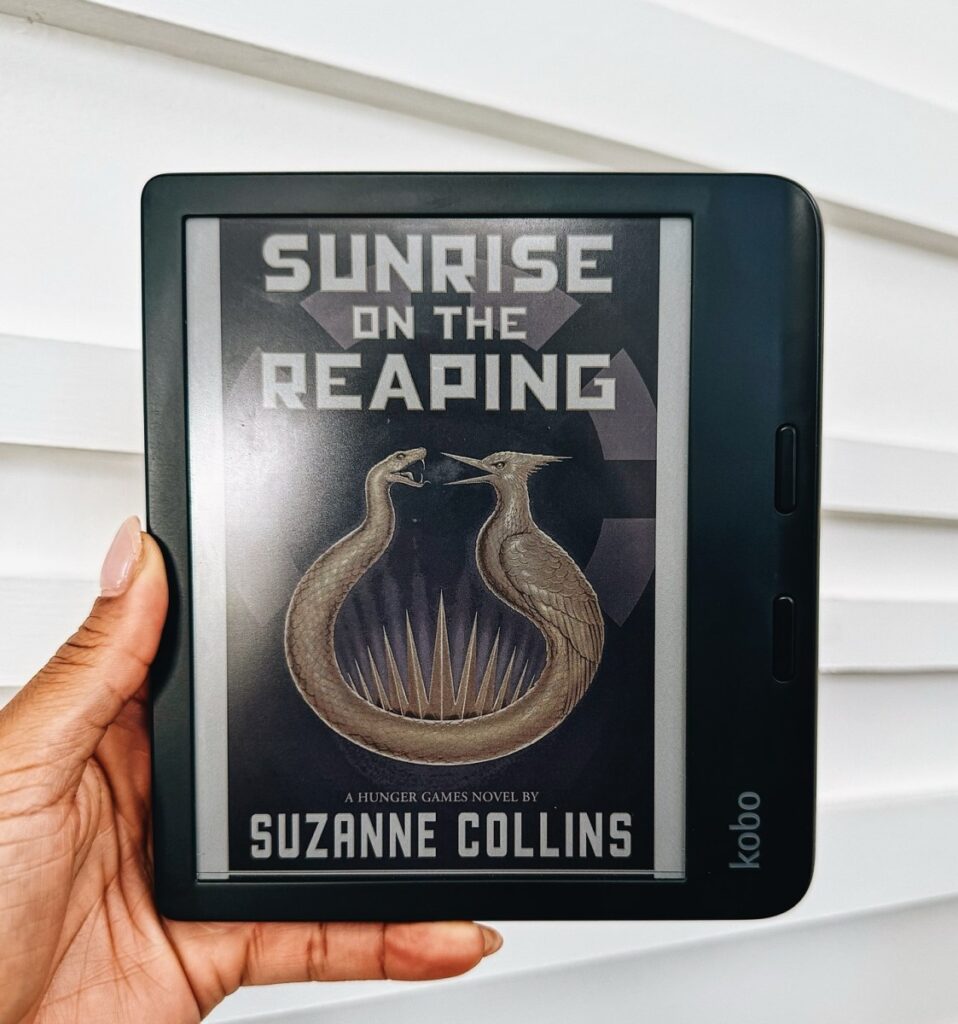
Table of Contents
A Strategic Strike at the Kindle Moat
For years, Amazon has maintained a virtual stranglehold on the digital reading experience not just through hardware, but through a tightly integrated social ecosystem. By tethering the Kindle eReader to Goodreads, Amazon created a “walled garden” where tracking a book, discovering new titles, and socializing with other readers happened in a seamless loop. For those looking to leave the Amazon ecosystem, the biggest friction point wasn’t the hardware—it was the loss of their reading data and community.
That friction just got significantly lower. Rakuten Kobo has officially launched a deep integration with StoryGraph, a data-driven book-tracking platform that has spent the last few years positioning itself as the primary alternative to Goodreads. The move transforms the Kobo eReader into the first major hardware device to offer automatic syncing with StoryGraph, effectively bridging the gap between a physical reading device and a third-party social community.
Beyond Simple Tracking: The Data Angle
The integration isn’t merely a convenience feature; it’s a shift in how reading habits are quantified. While Goodreads operates largely as a social catalog and review site, StoryGraph focuses on the analytics of reading. The platform provides users with detailed charts and graphs regarding “reading moods,” pace, and genre distribution—metrics that appeal to a growing demographic of readers who treat their annual reading lists as data projects.
Under the new partnership, the synchronization is bidirectional for all Kobo account-based content. When a user finishes an e-book or audiobook on a Kobo device or through the Kobo app, the status is automatically updated to “Read” on their StoryGraph profile. This eliminates the manual entry process that has long plagued users of non-Amazon devices, who previously had to manually log their progress on separate apps.
The Market Dynamics of the “BookTok” Era
This partnership arrives during a broader cultural resurgence in reading, fueled in large part by the algorithmic discovery engines of TikTok (#BookTok) and Instagram. According to Pew Research, e-book adoption in the U.S. has nearly doubled since 2011, with 31% of adults reporting they read an e-book in the past year. This expanded market is no longer satisfied with basic libraries; they want gamification, “streaks,” and community-driven challenges.
StoryGraph, founded in 2019 by engineer Nadia Odunayo and CTO Rob Frelow, has achieved this scale without traditional venture capital. Growing to a community of over 5 million readers, the platform now has a direct pipeline to Kobo’s 12 million users across 190 countries. This scale makes the duo a legitimate threat to the Kindle-Goodreads hegemony.
A Fragmenting Digital Library Landscape
The move reflects a wider trend of consolidation and strategic partnerships in the digital publishing space. Recent activity, such as Everand acquiring the community app Fable, suggests that the industry is moving toward a model where the bookstore and the social network are inextricably linked. For Kobo, the StoryGraph partnership is a way to add “software value” to their hardware without having to build a massive social network from scratch.
While the core integration is free for all users, StoryGraph continues to offer a Plus subscription for $5 per month, providing advanced filters and custom comparison tools for the most dedicated data-readers. For the average user, however, the real win is the portability of their reading life—a step toward a more open ecosystem where the device you buy doesn’t dictate where your community lives.