Beijing Crash Investigation: Pilot’s Mental Health and Security Lapses Under Scrutiny After Skyscraper Impact
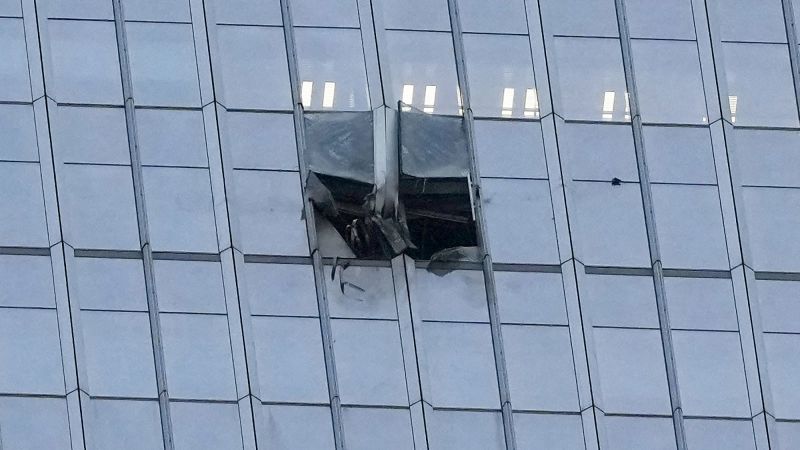
Table of Contents
A Fatal Descent into Urban Density
Beijing authorities are piecing together the final moments of a small aircraft that deliberately struck a skyscraper, an event that has reignited critical discussions regarding pilot mental health screenings and the vulnerability of high-density urban centers to light aircraft incursions. According to official statements from local police and aviation investigators, the pilot had previously expressed suicidal ideations, suggesting the crash was not the result of mechanical failure, but a premeditated act.
The incident occurred in one of Beijing’s most congested commercial districts, where the aircraft collided with the upper floors of a high-rise building. While the impact caused significant structural damage and sent debris raining down onto the streets below, emergency responders noted that the concentrated nature of the strike limited the scale of the resulting fire, preventing a catastrophic collapse of the structure. However, the psychological shock to the city’s workforce and the surrounding populace remains profound.
The Gap in Aviation Mental Health Screening
The revelation that the pilot had voiced suicidal thoughts prior to the flight highlights a recurring systemic failure in aviation safety: the gap between medical certification and real-time psychological stability. In many jurisdictions, including China, pilot certifications are renewed based on periodic physical exams and standard psychiatric screenings. However, these checks often fail to capture acute depressive episodes or sudden mental health crises that occur between official review windows.
Industry experts argue that the current framework relies too heavily on self-reporting and infrequent check-ups. The Beijing crash underscores the need for a more dynamic monitoring system—potentially integrating behavioral analytics or more frequent, mandatory mental health check-ins—to identify high-risk individuals before they enter a cockpit. This is particularly urgent for private pilots and those operating small craft, who often face less rigorous oversight than commercial airline crews.
Urban Airspace and Security Vulnerabilities
Beyond the pilot’s state of mind, the crash raises troubling questions about the security of Beijing’s airspace. The city maintains some of the strictest no-fly zones in the world, managed by a complex network of radar and air traffic control (ATC) systems designed to protect government installations and critical infrastructure.
Investigators are now examining how a small plane managed to penetrate the urban core and reach the altitude of a skyscraper without being intercepted or diverted. The ability of a single individual to weaponize a light aircraft against a civilian target in a capital city suggests a failure in low-altitude detection capabilities. Modern urban security typically focuses on drones and missiles, but the ‘legacy’ threat of a general aviation aircraft remains a blind spot in many metropolitan defense strategies.
The Aftermath and Regulatory Response
In the immediate wake of the crash, Beijing authorities have tightened restrictions on general aviation flights within the municipal area. There are reports that flight schools and private hangers are facing increased scrutiny, with a renewed emphasis on the vetting process for flight students and licensed pilots.
The tragedy serves as a grim reminder that aviation safety is not merely a matter of engine reliability and fuel levels, but of the human element. As the investigation concludes, the focus is expected to shift toward creating a more integrated reporting system where medical professionals can alert aviation authorities to high-risk behavioral changes without violating patient confidentiality—a delicate balance that regulators are now struggling to strike.