Doha Diplomacy: US and Iran Engage in Low-Level Technical Talks Amid Oil Market Volatility
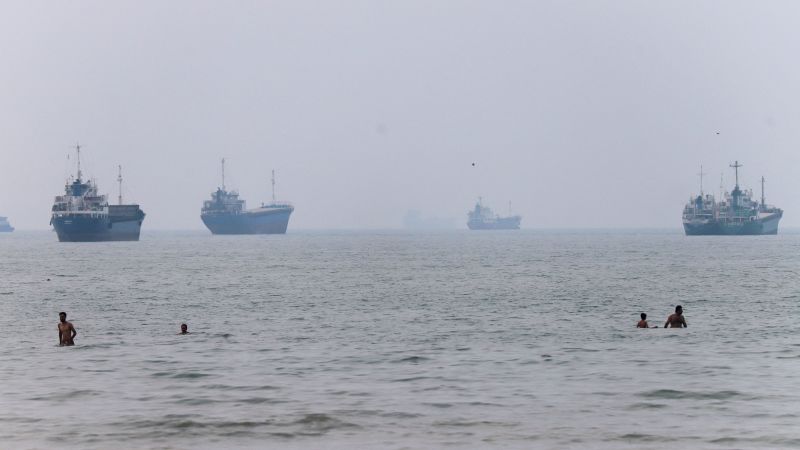
Table of Contents
The Doha Conduit
Diplomatic channels between Washington and Tehran have reopened in a cautious, constrained capacity this week. According to sources familiar with the matter and reports from CNN, low-level technical officials from the United States and Iran are currently engaged in indirect talks in Doha. The proceedings are being facilitated by intermediaries from both Qatar and Pakistan, marking a strategic attempt to stabilize a relationship characterized by years of sanctions and systemic mistrust.
These discussions are not the high-level summits the world often sees in the lead-up to major treaties. Instead, they are described as “technical,” focusing on the granular logistics and frameworks required for broader diplomatic engagement. By keeping the talks indirect, both nations maintain a level of political insulation; neither side has to concede the prestige of a face-to-face meeting while still benefiting from the exchange of critical information.
The Qatari Balancing Act
Qatar continues to cement its role as the indispensable middleman in the Persian Gulf. Senior Qatari leaders have held separate, sequential meetings with top US and Iranian officials, acting as a human firewall and a messaging bridge. This “shuttle diplomacy” allows Doha to synchronize expectations and vet proposals before they are passed between the opposing delegations.
Despite the progress in Doha, the ideological divide remains stark. Tehran has remained firm in its public stance, explicitly stating that there are currently no plans for direct meetings with American representatives. For Iran, the indirect nature of the talks is a prerequisite for participation, ensuring that the process does not imply a formal recognition of US-led frameworks that they find objectionable.
Energy Markets and the “Ceasefire” Effect
While the diplomatic progress is incremental, the financial markets have reacted with aggressive optimism. Brent crude oil prices have seen a sharp decline compared to levels seen three months ago, as traders bet on a sustained reduction in geopolitical risk. The primary driver for this trend is the perceived stability returning to the Strait of Hormuz, a critical chokepoint through which a significant portion of the world’s oil passes.
Market analysts suggest that the return of consistent oil flow and the prospect of a diplomatic thaw are being priced in faster than the political reality may justify. One market expert noted that the trading community is currently treating this “temporary ceasefire” as if it were a permanent, signed agreement. This gap between market sentiment and diplomatic reality creates a volatile environment where any breakdown in the Doha talks could lead to a rapid price correction.
Structural Implications for the Region
The involvement of Pakistan as a co-mediator alongside Qatar suggests a broader regional effort to contain tensions that could disrupt global trade. By diversifying the mediation team, the parties involved are attempting to create a multi-layered security architecture that reduces the risk of a single point of failure in communications.
Whether these technical talks lead to a comprehensive deal remains uncertain. However, the shift from total silence to indirect technical dialogue indicates a mutual recognition that the current state of escalation is unsustainable for both the US economy and Iranian internal stability.