The High-Stakes Target: Unpacking the Monaco Blast and the Ukrainian Tycoon at its Center
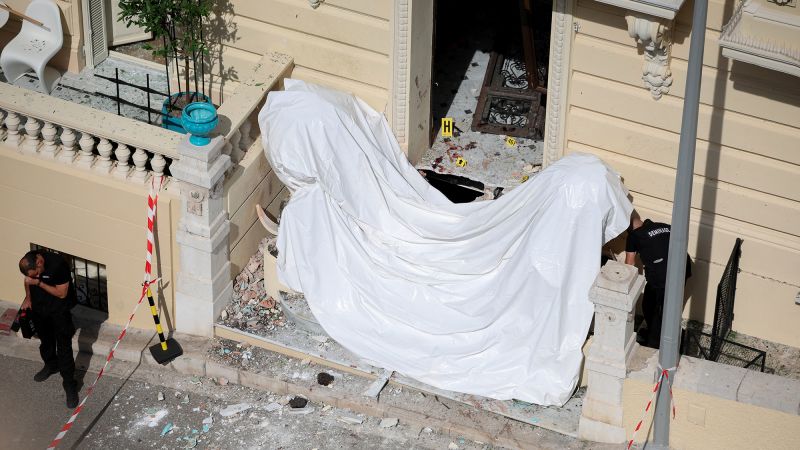
Table of Contents
An Explosion in the Enclave
The serene atmosphere of Monte Carlo was shattered this week by a targeted explosion that has sent shockwaves through the European diplomatic and business communities. While the physical damage was localized, the political implications are expansive. At the center of the investigation is a prominent Ukrainian tycoon, whose residence became the site of a precision strike that suggests an operation far more sophisticated than a random act of vandalism.
Monaco’s security apparatus, known for its airtight surveillance and discreet policing, is currently grappling with how a device was successfully deployed in one of the most heavily monitored jurisdictions in the world. The blast occurred in a residential area frequented by the global elite, raising immediate questions about the failure of perimeter security and the possibility of inside information being leaked to the perpetrators.
The Target: Influence and Industry
The individual at the heart of this mystery is a figure deeply embedded in Ukraine’s industrial and technological landscape. In the current climate of the Russo-Ukrainian war, Ukrainian oligarchs and business magnates have become lightning rods for intelligence agencies and paramilitary groups. Many of these figures control critical infrastructure, from energy grids to software development hubs, making them high-value targets for those seeking to destabilize Ukrainian economic resilience.
Sources close to the investigation suggest that the tycoon’s business interests overlap with emerging technologies and defense procurement—sectors that have seen a surge in espionage activity since 2022. By targeting a high-profile figure in Monaco, the attackers may have been sending a message not just to the individual, but to the broader network of Ukrainian financiers supporting the war effort from abroad.
A Pattern of Transnational Attacks
This incident does not exist in a vacuum. Over the past 24 months, there has been a documented rise in “gray zone” operations—attacks that fall below the threshold of open warfare but aim to intimidate and disrupt. From mysterious fires in warehouses to targeted cyber-attacks and physical sabotage, the campaign against Ukrainian assets has expanded globally.
The use of an explosive device in a neutral territory like Monaco represents a significant escalation. It signals that the traditional safety of European tax havens is no longer guaranteed for those caught in the crossfire of the Kremlin’s geopolitical strategy. Security analysts suggest that the precision of the bombing points toward state-sponsored actors rather than independent criminals, citing the lack of a ransom demand and the specific nature of the target.
The Security Vacuum
For the tech and business sectors, this event underscores a growing vulnerability: the intersection of physical security and digital intelligence. Many high-net-worth individuals rely on smart-home systems and integrated security networks that, if compromised, provide a roadmap for physical attackers. There are ongoing questions about whether the tycoon’s personal devices or home automation systems were breached prior to the blast to determine the exact timing and location of the attack.
As Monaco authorities collaborate with Interpol and Ukrainian intelligence, the focus remains on the digital trail. In an era of ubiquitous surveillance, the absence of an immediate suspect suggests a level of professional tradecraft that avoids traditional electronic footprints, further pointing toward a professional intelligence operation.