iQOO is reportedly building a ‘Mini’ gaming tablet to challenge the handheld market
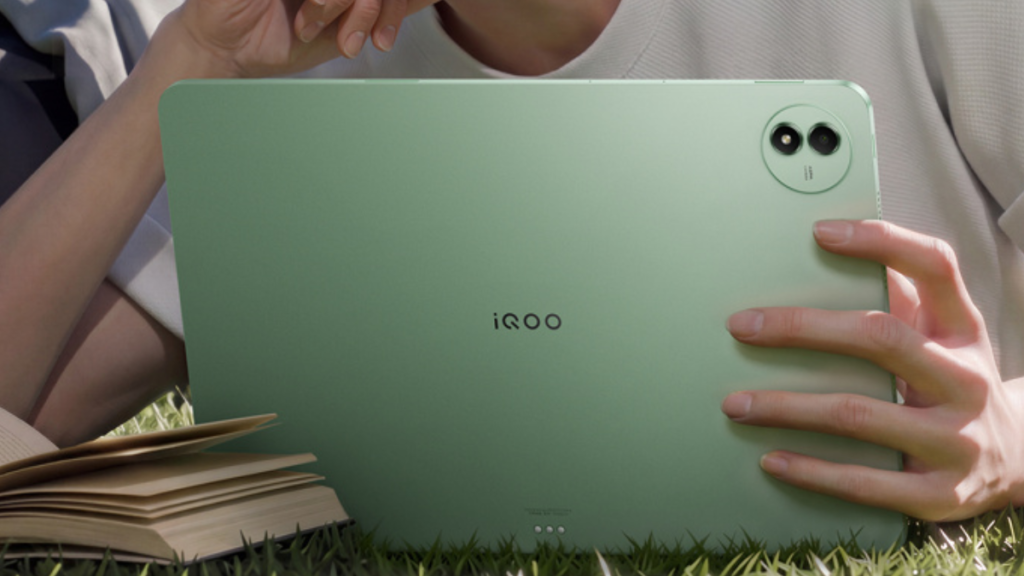
Table of Contents
A shift toward compact power
For years, the tablet market has been a tug-of-war between massive 13-inch productivity slabs and small 8-inch budget displays. However, a new leak suggests iQOO is attempting to carve out a third path: a “mini” gaming tablet that prioritizes raw performance over screen real estate. According to prominent Weibo leaker Digital Chat Station, iQOO has officially begun development on a compact device designed specifically for the enthusiast gaming crowd.
The move is strategically interesting. While the industry has seen a surge in handheld gaming PCs like the Steam Deck and ASUS ROG Ally, the Android ecosystem has lacked a dedicated, high-performance small-form-factor tablet. By pivoting toward a “mini” model, iQOO is likely targeting users who find the iPad Mini too underpowered for competitive gaming and standard Android tablets too cumbersome for long sessions of Genshin Impact or Honkai: Star Rail.
The Snapdragon factor
While the exact chassis dimensions remain guarded, the most compelling detail is the expected silicon. The leak indicates that this device will be powered by Qualcomm’s next-generation flagship Snapdragon processor. Given the projected timeline, this likely means the tablet will skip the current generation to launch with a chip that hasn’t even been fully detailed by Qualcomm yet—potentially a successor to the Snapdragon 8 Gen series optimized for tablet thermal envelopes.
Powering a small tablet with a flagship chip creates a significant engineering hurdle: thermals. In a larger tablet, heat can be dissipated across a wide surface area. In a mini tablet, the thermal density is much higher. If iQOO intends to maintain peak clock speeds without aggressive throttling, we can expect a sophisticated internal cooling solution, possibly involving vapor chambers or advanced graphite layering, similar to what iQOO employs in its gaming-centric smartphones.
Market positioning and timeline
The reported launch window puts the device in the second half of 2026. This suggests iQOO is not rushing a prototype to market but is instead refining the ergonomics and thermal management of the device. A 2026 release aligns with the typical cycle of Qualcomm’s silicon roadmap, ensuring the device enters the market with a significant performance lead over current mid-range compacts.
The success of this project will depend on how iQOO defines “mini.” If the device lands in the 8.3 to 9-inch range, it hits a sweet spot for portability and grip. If it is smaller, it risks being viewed as a giant phone; if larger, it loses the unique selling point of being a handheld gaming companion. With the rise of cloud gaming and more demanding mobile titles, a dedicated high-performance mini-slab could be exactly what the Android ecosystem needs to challenge Apple’s dominance in the small-tablet niche.