Erin Brockovich Launches Crowdsourced Map to Track AI Data Center Environmental Fallout
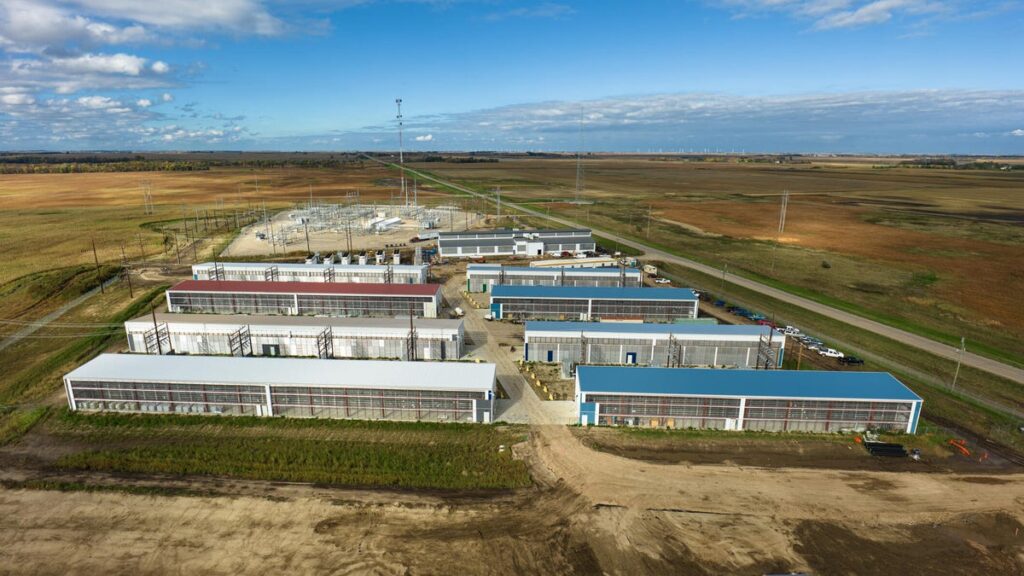
Table of Contents
A New Front in the War Against Big Tech Infrastructure
For decades, Erin Brockovich has been the face of grassroots environmental litigation, most notably for her role in exposing the groundwater contamination caused by Pacific Gas & Electric in Hinkley, California. Now, the activist is turning her attention toward the physical footprint of the artificial intelligence boom. Brockovich has launched an interactive, crowdsourced reporting hub designed to map the growing friction between AI infrastructure developers and the communities forced to host them.
As the demand for generative AI compute continues to skyrocket, the race to build massive data centers has shifted from a corporate logistics challenge to a public relations and regulatory battle. Residents in affected areas are reporting a recurring pattern: sudden spikes in electricity bills, depleted local water tables, and a pervasive lack of transparency regarding what is actually being built in their backyards.
Crowdsourcing the ‘Invisible’ Infrastructure
The core of the project is a live map populated by self-reported data from citizens. Unlike official government registries, which often lag behind construction starts, the Brockovich AI Data Center Reporting site focuses specifically on locations where community members are voicing active concerns. Currently, the map tracks 3,674 reported locations, ranging from operational facilities to proposed sites still in the planning stages.
According to Suzanne Boothby, executive editor of The Brockovich Report, the project is designed to combat the feeling of isolation many residents experience when facing environmental threats. The goal is to demonstrate that the issues—whether they be noise pollution or resource depletion—are not isolated incidents but part of a systemic national trend.
The data collection process is rigorous; Brockovich personally vets submissions to remove duplicates and ensures that reports include specific ZIP codes to maintain geographic accuracy. The sheer volume of responses suggests a deep-seated anxiety regarding the speed of AI deployment. In a single month-long call for information, the hub received nearly 4,000 reports, resulting in over 2,700 unique pins on the map.
The Transparency Gap
While technical specifications for these facilities often focus on PUE (Power Usage Effectiveness) and GPU clusters, the people living next to them are focused on survival. Brockovich notes that while water usage and noise are primary complaints, the most frequent word appearing in community submissions is “transparency.”
Many developers operate under strict non-disclosure agreements or leverage local economic incentives to keep project details quiet until groundbreaking is imminent. This “secret build” strategy has fueled a backlash that is now translating into legislative action. Across the U.S., nearly a dozen states are currently debating or implementing construction moratoriums on new data centers.
The tension reached a boiling point in Maine, where lawmakers passed a statewide ban on facilities drawing more than 20 megawatts of electricity, though the measure was ultimately vetoed by Governor Janet Mills. This political volatility reflects a broader public sentiment: a recent Gallup poll indicates a majority of Americans now oppose the proliferation of data centers.
Industrial Scale vs. Local Stability
The scale of the conflict is exemplified by the recent $16 billion AI data center campus project by Oracle and OpenAI in Saline Township, Michigan. While the project promises economic investment, it has sparked immediate community protests over its projected environmental impact. This pattern of “top-down” development is increasingly clashing with “bottom-up” environmental activism.
The Brockovich hub serves as more than just a map; it is a repository of photographic evidence and news stories, documenting the transformation of rural landscapes into industrial hubs. From cleared farmlands in Bowling Green, Ohio, to strained power grids in the Southwest, the project highlights the physical cost of the digital cloud. As tech giants like SpaceX even float the idea of moving compute into space to avoid terrestrial constraints, the battle for the remaining land, water, and power on Earth is only intensifying.