Google Unveils ‘Googlebook’: A New AI-First Laptop Category Built Around Gemini
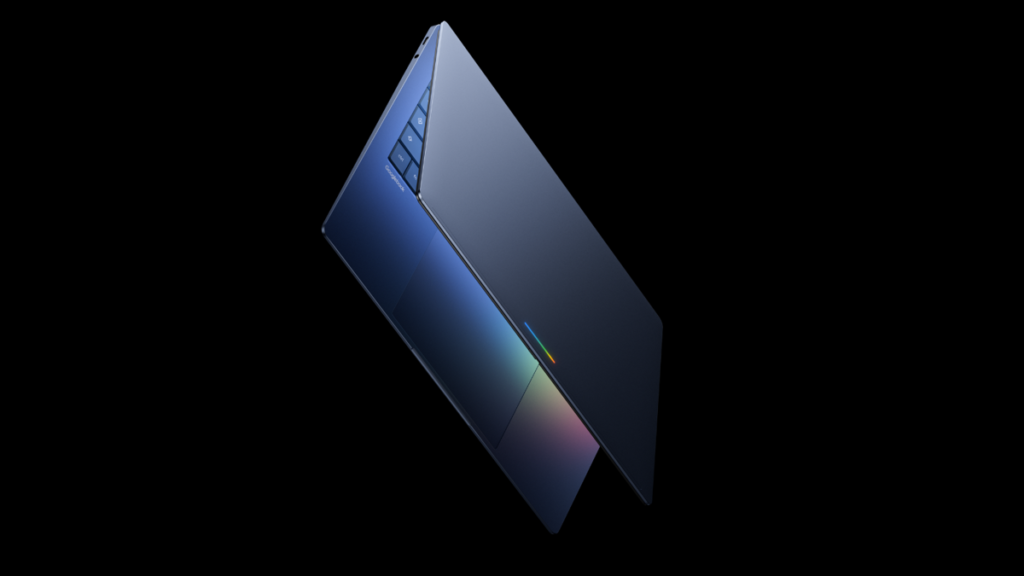
Table of Contents
A Pivot from Cloud-First to Intelligence-First
Google is attempting to redefine the laptop experience. During the Android Show: I/O Edition on Tuesday, the company announced the Googlebook, a new category of hardware designed from the ground up to integrate Google’s Gemini AI. While the industry has spent the last year chasing the ‘AI PC’ trend—led largely by Microsoft’s Copilot+ branding—Google is positioning the Googlebook not as a laptop with AI features, but as an ‘intelligence system’ in a laptop form factor.
The shift represents a fundamental pivot in Google’s hardware strategy. For over a decade, the Chromebook was the gold standard for cloud-first computing, stripping away local processing in favor of the browser. According to Alex Kuscher, Google’s Senior Director, the Googlebook is intended to be the successor to that philosophy. “As computing shifts from an operating system to an intelligence system, we see an opportunity to rethink laptops again,” Kuscher stated in an official blog post.
The OS Mystery: Is Project Aluminum Finally Here?
The most intriguing detail of the announcement isn’t the hardware, but the software. While Googlebooks will support Android apps, Kuscher explicitly noted that these machines will run a “modern OS designed for Intelligence,” pointedly avoiding the term ‘ChromeOS.’
This strongly suggests that Google is finally deploying Project Aluminum, the long-rumored initiative to merge the ChromeOS and Android kernels into a single, unified platform. By consolidating these two ecosystems, Google can provide the productivity of a desktop environment with the app flexibility and AI-driven fluidity of Android. This move would allow Google to compete more effectively against the tight vertical integration found in Apple’s macOS and iPadOS ecosystem.
Gemini Integration and the ‘Magic Pointer’
To differentiate the Googlebook from standard laptops, Google is introducing several AI-native interface elements. The standout feature is the Magic Pointer, a cursor that leverages Gemini’s multimodal capabilities to understand what is happening on the screen in real-time. Rather than relying on traditional menus, users can activate the pointer with a simple wiggle of the cursor to execute complex tasks. Google provided examples such as pointing at a date within an email to automatically schedule a calendar event, or selecting a photo of a room and a furniture item to instantly visualize the object within the space.
Further augmenting the experience is a ‘Create your Widget’ tool, which allows users to build custom functional widgets using natural language Gemini prompts, effectively turning the desktop into a personalized AI dashboard.
Hardware Partners and Market Positioning
Google is not venturing into this new category alone. The first wave of Googlebooks, arriving in Fall 2026, will be manufactured by a consortium of established partners including Acer, Asus, Dell, HP, and Lenovo. While specific technical specifications remain under wraps, Google’s marketing emphasizes a “Featherweight Design” with “Heavyweight Power,” suggesting a focus on high-end ultraportables.
Visually, the devices will be distinguished by a signature “glowbar” lightstrip on the lid, a branding cue meant to signal the AI-active state of the machine. Given the premium materials and the specialized hardware required to run Gemini locally, the Googlebook is expected to sit at a higher price point than the average Chromebook. With top-tier Chromebooks already pushing the $1,000 mark, the Googlebook will likely target the professional and enthusiast market, competing directly with the MacBook Air and high-end Windows AI PCs.
Ecosystem Synergy
Deep integration with the Android ecosystem remains a cornerstone of the strategy. Beyond running Android apps, Googlebooks will feature a ‘Quick Access’ system for seamless file searching and viewing across mobile devices. Additionally, the laptops will support advanced casting, allowing users to project and interact with Android mobile apps on the larger screen without requiring a local installation, bridging the gap between the phone and the workstation.