Logistics Collapse: Ukrainian Drone Campaign Triggers State of Emergency in Crimea
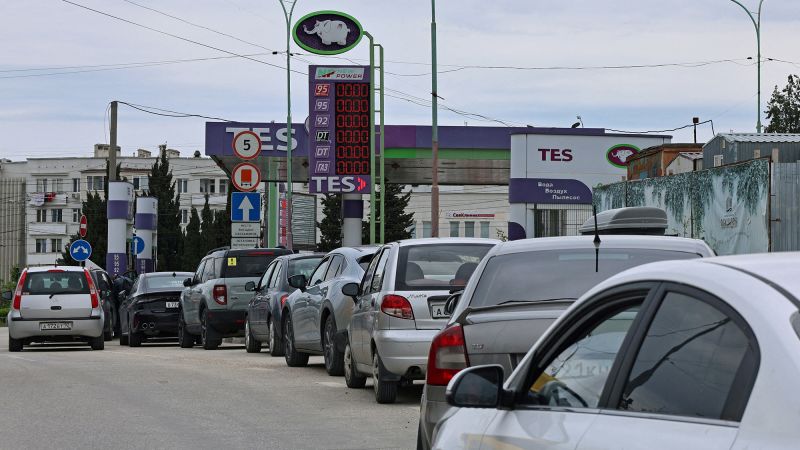
Table of Contents
Infrastructure Under Siege
Russian-installed authorities in Crimea have declared a state of emergency following a series of precision Ukrainian strikes that have effectively crippled the peninsula’s energy and logistics networks. The escalation represents a strategic shift in Kyiv’s approach to the region, moving from opportunistic hits to a systemic degradation of the Russian-controlled territory’s ability to function as a military hub.
The crisis is most acute in Sevastopol, the headquarters of Russia’s Black Sea Fleet. According to Mikhail Razvozhayev, the city’s Kremlin-installed governor, electricity supply restrictions are now a permanent fixture as repair crews are repeatedly forced to abandon power grid restorations due to relentless air raid alerts. The technical scale of the disruption is significant; Robert Brovdi, Ukraine’s drone forces commander, confirmed that Sevastopol’s primary power substation was targeted seven times in a single early-morning window this past Wednesday.
The Logistics Chokehold
The disruption extends far beyond the power grid. A critical failure in fuel supply chains has forced the regional government to implement a drastic ban on gasoline sales to the general public and private businesses. Currently, fuel is reserved exclusively for government agencies, leaving the civilian economy in a state of paralysis.
This energy vacuum is compounded by a logistics bottleneck at the Kerch Strait bridge. Reports from the state news agency Tass indicate that the crossing was temporarily shuttered following an overnight drone attack, resulting in a massive backlog of vehicles. At the peak of the congestion on Friday, approximately 2,800 vehicles were queued to exit the peninsula—nearly double the number of those attempting to enter. The disparity suggests a growing desire among the population to flee as the region’s stability wavers.
A Peninsula in Transition
For years, Vladimir Putin invested billions into transforming Crimea into a high-end resort destination to solidify the 2014 annexation. However, that vision is colliding with the reality of modern asymmetric warfare. In Simferopol, the second-largest city, social media footage reveals eerie, empty streets and supermarket shelves stripped of essentials. Residents describe the atmosphere as “apocalyptic,” with local cafes and canteens shuttering as supply lines fail.
Even the social fabric of the region is being torn; Sergey Aksyonov, the head of Crimea, announced the suspension of all children’s summer camps until September 1, citing safety concerns. While some guesthouse owners in Noviy Svet claim the tourist infrastructure remains nominally operational, the prevailing mood is one of deep uncertainty.
The economic impact is which is most visible in the outcry from local workers. On Telegram, taxi drivers and small business owners have voiced desperation, noting that the fuel ban makes it impossible to earn a living, yet banks are refusing to grant payment holidays on loans. The result is a mounting humanitarian and financial crisis in a region that was once touted as a crown jewel of Russian development.