Google DeepMind Invests $75 Million in A24 to Build AI-Powered Filmmaking Tools
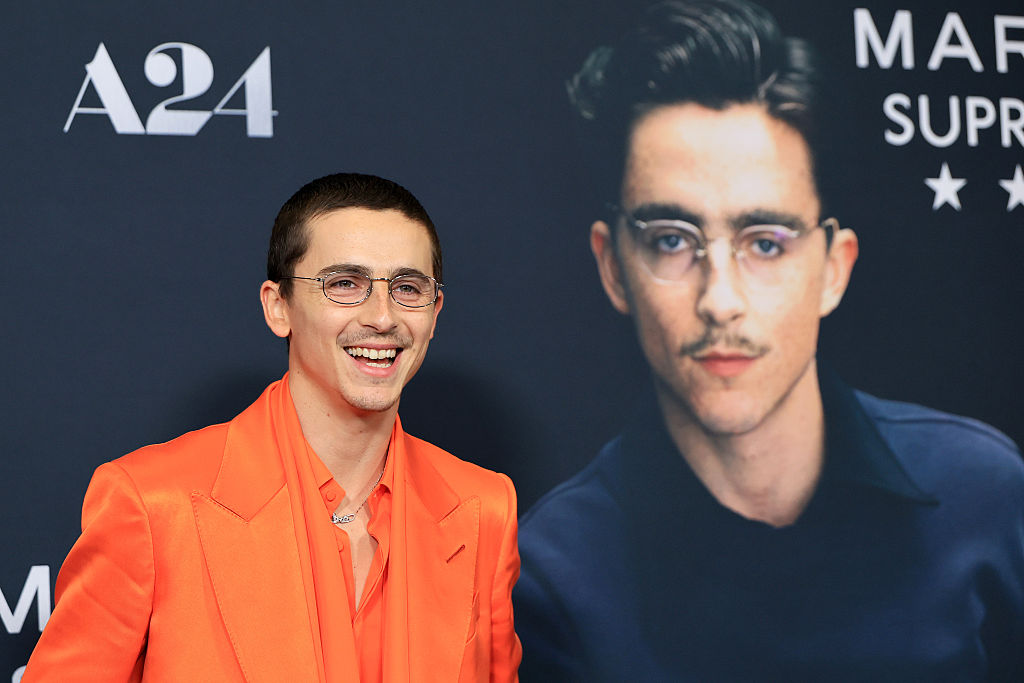
Table of Contents
A Strategic Bet on Indie Cinema
Google DeepMind is moving beyond the laboratory and into the studio. In a deal first reported by the Wall Street Journal, the AI research arm of Alphabet has invested $75 million into A24, the indie powerhouse known for disruptive hits like Everything Everywhere All At Once and the upcoming Marty Supreme. While the capital injection provides A24 with significant runway, the true objective of the deal is a deep technical collaboration designed to bridge the gap between generative AI and professional cinematography.
The partnership is being framed as a feedback loop. Rather than deploying finished AI products onto sets, DeepMind intends to use A24 as a living lab. By integrating their research with the workflows of high-profile artists—including the studio’s frequent collaborators like Timothée Chalamet and Anne Hathaway—DeepMind hopes to refine its models to meet the exacting standards of professional filmmakers.
Bridging the Gap Between Prompt and Production
For Google DeepMind, the stakes are higher than mere venture capital. The company is fighting a fierce battle for the future of creative media, competing against OpenAI’s Sora and Runway’s Gen-3. While those tools have dazzled the internet with short, surreal clips, they often lack the temporal consistency and precise directorial control required for feature-length storytelling. By embedding its engineers within A24’s production pipeline, DeepMind can solve for the “hallucinations” and erratic physics that currently plague AI video.
“We believe the best way to develop tools that empower artists is to work directly with them,” said Demis Hassabis, Google DeepMind co-founder and CEO, in an official statement. Hassabis emphasized that the goal is to create features that support “authentic, meaningful storytelling,” suggesting a shift away from AI as a replacement for creators and toward AI as a highly sophisticated digital paintbrush.
The Industrialization of AI in Hollywood
The A24 deal signals that the “experimental’ phase of AI in Hollywood is ending and the infrastructure phase has begun. A24 is not an outlier; the industry is rapidly consolidating AI capabilities. Earlier this year, Netflix moved to acquire InterPositive, the AI-centric venture founded by Ben Affleck, while Amazon’s MGM Studios established a dedicated AI unit to streamline television and movie production.
However, this trend arrives amidst a volatile labor climate. The memory of the 2023 WGA and SAG-AFTRA strikes—where AI protections were a central point of contention—remains fresh. While A24 has cultivated a brand image as the “anti-corporate” studio, this partnership with one of the world’s largest tech conglomerates may test that perception among its creator-first community.
The technical focus is expected to cover everything from automated pre-visualization and lighting simulations to more complex generative VFX. If DeepMind can successfully translate A24’s artistic intuition into scalable software, the result could be a set of tools that drastically lower the cost of high-end visual effects, potentially democratizing the “blockbuster look” for smaller independent productions.