Logistics Collapse in Crimea: How Ukrainian Drone Warfare is Crippling Russian Infrastructure
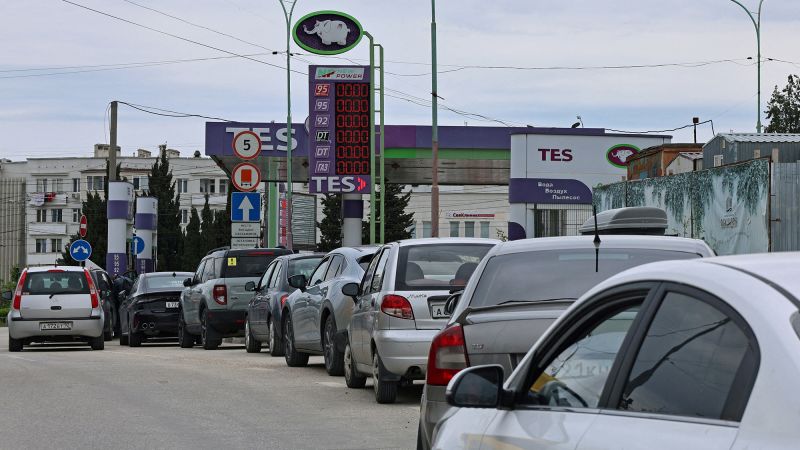
Table of Contents
A Campaign of Systematic Attrition
The strategic landscape in Russian-controlled Crimea is shifting from a stagnant front to a zone of systemic failure. Through a series of precise, repeated strikes, Ukraine has moved beyond tactical harassment to a broader campaign of infrastructure degradation. The target is no longer just military hardware, but the very skeletal systems—power, fuel, and logistics—that sustain Russian administration on the peninsula.
In Sevastopol, the largest city in the region and the historic nerve center for Russia’s Black Sea Fleet, the impact is becoming visceral. Mikhail Razvozhayev, the Kremlin-installed governor, has been forced to implement city-wide restrictions to prevent a total collapse of the power grid. These measures follow a relentless assault by Ukrainian drone forces; Robert Brovdi, commander of Ukraine’s drone units, confirmed that Sevastopol’s primary power substation was targeted seven times in a single morning this past Wednesday.
The Fuel Vacuum and Civilian Fallout
The degradation of logistics routes has triggered a secondary crisis: a critical shortage of petroleum. In a move that signals the severity of the supply chain rupture, the Russian-installed regional government announced that fuel sales would be restricted exclusively to government agencies. Ordinary citizens and private businesses have been effectively locked out of the gas market.
For the civilian population, the results are immediate and destabilizing. Taxi drivers and small business owners, such as those running perishable goods chains, report an inability to operate. On Telegram, residents have voiced desperation, noting that banks refuse to grant payment holidays because a formal state of emergency has not been declared, despite the practical reality of an economic standstill. The ban on gas sales has turned fuel stations into ghost towns and pushed the remaining available fuel to exorbitant black-market prices.
Weaponizing the Peninsula’s Geography
Crimea’s geography, which once made it a premier Soviet-era resort and a strategic fortress, now makes it a vulnerable bottleneck. The reliance on a limited number of logistics corridors means that a few successful drone strikes on oil depots—such as those seen in Kerch on June 21—can paralyze the entire region. Satellite imagery has confirmed significant fires at these depots, illustrating the precision of Ukraine’s long-range capabilities.
This approach represents a calculated shift in Kyiv’s strategy. By targeting the dual-use infrastructure—facilities that serve both the military and the civilian population—Ukraine is attempting to make the occupation of Crimea prohibitively expensive and logistically unsustainable for the Kremlin. The suspension of all children’s summer camps until September 1 further underscores a growing admission that the peninsula is no longer a safe zone for Russian domestic tourism.
The Psychological Front
Beyond the physical destruction, the psychological toll is mounting. Residents in Simferopol describe an “apocalyptic” atmosphere, with social media videos showing eerily empty streets and depleted supermarket shelves. While some guesthouse owners in resort towns like Noviy Svet maintain that tourism continues, the mood has shifted from complacency to caution.
The shift in drone patterns is particularly telling. Local reports indicate that intercepts are now occurring directly over cities rather than out at sea, suggesting that Ukrainian drones are penetrating deeper into the interior of the peninsula. This tactical evolution forces Russia to divert more air defense assets away from the front lines to protect urban centers, further stretching an already strained military apparatus.