Clooney, Hanks, and Streep Back New ‘Human Consent Standard’ to Fight AI Likeness Theft
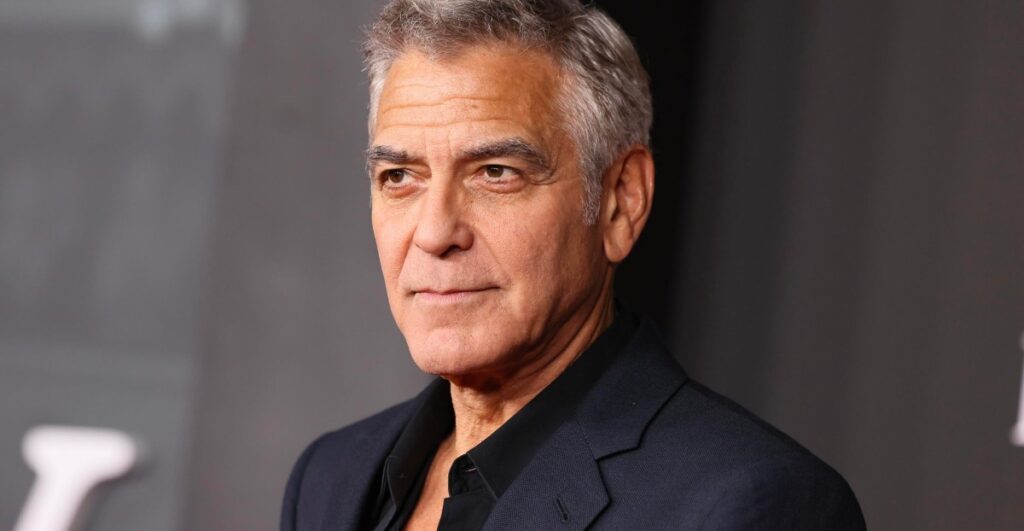
Table of Contents
Hollywood’s New Line in the Sand Against Generative AI
In a coordinated effort to reclaim control over their digital identities, a powerhouse coalition of cinema legends including George Clooney, Tom Hanks, and Meryl Streep has thrown its weight behind the Human Consent Standard. The initiative is designed to create a standardized, machine-readable framework that tells AI developers whether a person’s likeness, voice, or creative output is available for use, requires a paid license, or is strictly off-limits.
The movement comes as the entertainment industry grapples with the rapid proliferation of deepfakes and generative AI models that can mimic a performer’s nuance with unsettling accuracy. While recent labor disputes in Hollywood highlighted the existential threat of AI-generated clones, the Human Consent Standard represents a pivot toward a technical, scalable solution rather than relying solely on collective bargaining or litigation.
Moving Beyond robots.txt
The standard is overseen by RSL Media, a nonprofit co-founded by actress Cate Blanchett. It builds upon the existing Really Simple Licensing (RSL) Standard, which previously focused on website-level signals to prevent AI crawlers from scraping data. However, the Human Consent Standard addresses a more complex problem: the identity of the person within the content.
According to RSL Media co-founder Eckart Walther, the distinction is critical. While traditional RSL signals typically apply to a specific URL, the Human Consent Standard attaches to the underlying work, identity, or character regardless of where it appears on the web. Essentially, it transforms a person’s identity into a licensed asset that AI systems must query before ingestion or generation.
The mechanism relies on a central registry, slated for launch in June, where individuals can verify their identity and publish their specific permissions. RSL Media then translates these human-defined terms into technical signals that “responsible” AI systems can read and respect. This creates a three-tier permission system: full permission, conditional access (usually involving payment or attribution), or a total prohibition.
The Shift from Trademarks to Standards
Until now, the defense against AI “cloning” has been fragmented and reactive. High-profile figures have resorted to unconventional legal maneuvers to protect themselves. Matthew McConaughey has trademarked specific clips of his performances, while Taylor Swift recently filed for trademarks on photos and specific audio soundbites to create a legal perimeter around her brand.
The Human Consent Standard attempts to democratize this protection. By moving the battle from the courtroom to the protocol layer, RSL Media aims to give non-celebrities—including session musicians, voice actors, and digital artists—a free and accessible way to assert ownership over their digital selves.
The success of the initiative now rests on adoption. For the standard to have teeth, major AI labs like OpenAI, Anthropic, and Google must agree to check the registry and honor the signals. Without industry-wide compliance, the standard remains a “request” rather than a requirement, though the backing of the Creative Artists Agency (CAA) and the Music Artists Coalition suggests a significant amount of industry leverage is being deployed to make it the new gold standard for AI ethics.