The Ghost Town of Metula: Why Diplomatic Ceasefires Fail the Reality Test on the Israel-Lebanon Border
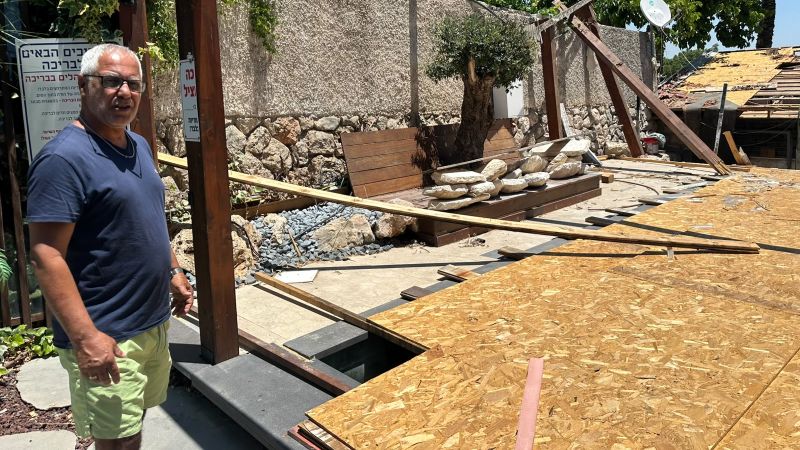
Table of Contents
The Silence of HaRishonim Street
In the northernmost reaches of Israel, Daniel Dorman’s pizza shop serves as a quiet monument to a town in suspension. Once a bustling hub of tourism and hospitality, Metula—historically dubbed “Europe” for its refined hotels and restaurants—now feels more like a perimeter outpost than a community. On HaRishonim Street, the primary artery of the town, the emptiness is profound. For Dorman and his few remaining customers, the latest announcement of a US-brokered ceasefire is not a cause for celebration, but a repetitive script they have heard many times before.
“What ceasefire?” Dorman asks, reflecting a sentiment that has become the default setting for the town’s residents. “Until yesterday there wasn’t a single day without fire. All day, interceptions overhead, explosions, drones, artillery. I’ve lost count of how many times we’ve been told there’s a ceasefire. It never really is.”
A Landscape of Attrition
Metula’s geography makes it a natural lightning rod for conflict. Perched on a narrow finger of land protruding into Lebanon, the town has endured cross-border skirmishes for decades. However, the escalation since October 2023 has rewritten the rules of engagement. Following the outbreak of war between Israel and Hamas, Iran-backed Hezbollah began launching rockets into northern Israel, transforming Metula from a quiet border town into a primary target. The data is stark: more than 60% of the town’s homes have sustained damage, and between a third and a half of the original population of 2,000 has yet to return.
For residents like Moti Aharon, 58, the diplomatic maneuvering in Washington feels disconnected from the physical reality of the border. Aharon’s century-old family home has been struck twice; his investment in guesthouses and a pool now lies in ruins. To Aharon, the American approach to diplomacy is fundamentally flawed. “The Americans don’t understand who they are dealing with,” he says. “They think they can talk to Iran with silk gloves. It won’t work.”
The Buffer Zone Dilemma
The current friction centers on a 10-kilometer security buffer zone established by the Israeli military during its ground incursion into southern Lebanon. This move mirrors the Israeli security strip held from 1985 to 2000, a historical precedent that many locals view as a temporary fix for a permanent problem. While Prime Minister Benjamin Netanyahu has claimed that Hezbollah has been pushed “years back,” the operational reality suggests a stalemate. The group’s resilience remains evident, with five Israeli soldiers killed in a single 24-hour window over a recent weekend.
The diplomatic stakes are further complicated by a fragmented negotiating table. While Israeli and Lebanese ambassadors meet in Washington, Hezbollah—the primary actor on the ground—is not a formal part of these talks and has dismissed them as a “farce.” This gap between official diplomacy and paramilitary reality is where the residents of Metula live.
The Geopolitical Tug-of-War
The Trump administration’s attempts to broker a series of ceasefires since April 15 have been hampered by contradictory demands. Iran has made a full Israeli withdrawal from southern Lebanon a prerequisite for proceeding with a 14-point Memorandum of Understanding with the US. Conversely, Netanyahu remains under immense pressure from far-right political allies to maintain a permanent military presence in the buffer zone to prevent future infiltrations.
This deadlock has led to the creation of a Lebanon “deconfliction cell,” involving the Lebanese government and mediators from Qatar and Pakistan. Yet, for the people of Metula, these high-level administrative structures do little to ensure that their roofs remain intact or that their businesses can reopen. As Aharon puts it, the cycle of “they shoot, we shoot” has persisted for fifty years, and until there is a root-level change in the regional security architecture, the term “ceasefire” remains a linguistic curiosity rather than a lived reality.